Store in a cool, dry place. Keep out of reach of children. External use only
 Granules
454g
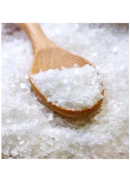
Dead Sea salt can be used in several different ways as bath salts or skincare products.
- Course
- Organic
- Absent of harmful chemicals and GMOs
- High in magnesium, sodium chloride and other trace minerals
- Soothes dry skin, psoriasis and inflammation

Certified Organic Loose Herbal Teas & Remedies
Organic Connections makes quality food supplements including: Organic ground Cinnamon powder, both Ceylon and Cassia and Organic Slippery Elm Bark powder to provide fibre and support intestinal health. Organic Connections believes in quality, natural and organic ingredients to provide the best in natural health. Read more >- Reviews
- POST A NEW REVIEW
Salt (Sea Salt)
By: Naturopathic Doctor (N.D.)
A natural form of salt that contains less sodium than table salt...
Sea salt is exactly what its name implies, the salt obtained by the evaporation of seawater. Historically, this was the main source of salt for regions that did not have mineral salt (halite) available to be mined. In more recent times, sea salt is often hailed as the superior form of salt for food preparation. It is used in cooking, and is particularly prized for its clean taste and coarse texture.
Health Effects
The health consequences of ingesting sea salt are the same as those associated with table salt. For more information on these effects, please see our salt article. The benefits for thyroid health may be less than that of table salt, as sea salt is not enriched with iodine in the same way. Interestingly, sea salt does contain iodine, in its natural and more bioavailable form, but the dose may not be sufficient. Interestingly, it is this lack of processing and additives that make sea salt prized around the world as a natural salt.
Mineral Content
Because it is largely unprocessed, sea salt contains a natural mineral balance that differs from table salt. Table salt is over 97% sodium chloride, thus it contains at least 48% sodium. Sea salt is 55% chloride, and only 30% sodium. This is nearly 20% lower than table salt by weight. The space left by the lower amount of sodium is instead filled by other minerals such as: magnesium, calcium, potassium, and bromide. Many of these are other essential electrolytes in the human body.
Electrolytes
Electrolytes are minerals that play a role in the water balance in the human body. Sea salt can contain a number of different electrolytes. The main electrolytes of biological importance in the human body are: sodium, chloride, magnesium, potassium, calcium, phosphate, and carbonate.
Cosmetics
Sea salt is often used in cosmetics due to its natural mineral content. It can also be used as a skin scrub due to its naturally rough granular texture.
How can I get more sea salt?
Sea salt can be found alone or in combination products for food seasoning. In general these products should be used in the same way as any other salt products. Be sure to limit your sodium intake to less than 2,300mg a day to avoid negative cardiovascular effects.
Sea Salt – Quick Facts
Sources
· Harvested By Dehydrating Seawater.
Applications
· Hyponatremia (Low Blood Sodium), Electrolyte Imbalance, Fluid Balance, Food Flavouring
Optimum Dosage
· As Required To Flavour Food. Avoid Exceeding 2,300mg Of Sodium Daily. (Clinical Doses May Differ, As Recommended By Your Practitioner).
Works Well With
· Other Seasonings And Flavouring Agents, Other Electrolytes (Magnesium, Calcium, Potassium, Phosphate And Carbonate)
Important Information
· Sodium Intake Should Be Restricted To Between 1,500mg And 2,300mg Daily To Avoid Hypertensive Effects.
· Be Sure To Drink Sufficient Water When Ingesting Any Salt To Maintain Electrolyte Balance In The Body.
Back to Top ↑