

- 15
- Calories
- 0g
- Fat
- 0g
- Saturated
- 0g
- Trans
- 5g
- Carbohydrate
- 2g
- Fibre
- 0g
- Sugars
- 0g
- Protein
- 0mg
- Cholesterol
- 0mg
- Sodium
- 40mg
- Potassium
- 0mg
- Calcium
- 0mg
- Iron
- 240mg
- Vitamin C
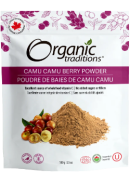
Organic Camu Camu Berry Powder
May contain: tree nuts, sesame. Store in a cool, dry place. Contains an oxygen absorber. Do not consume.
 Powder
100g
Add up to 1-2 teaspoon to any beverage or recipe.
- Vitamin C
- Stress
- Anxiety
- Eye Health
- Nervous System Support
- Circulatory System

It’s Not A Trend, It’s a Tradition... Naturally
Organic Traditions Fibre Flow range offers an easy and delicious way to support daily digestive health and increase fibre intake, with options like Fibre Flow (Strawberry), Fibre Flow (Unflavoured), Fibre Flow (Yuzu Lime), and Fibre Flow (Variety Pack), all made with clean, plant-based ingredients to support gut wellness. The functional latte collection includes nourishing blends such as Matcha Latte With Probiotics, Turmeric Latte With Probiotics And Saffron, Beet Latte With Probiotics, Chocolate Latte With Ashwagandha And Probiotics, Lavender Latte, Pumpkin Spice Latte, Holiday Spice Latte, Mint Chocolate Latte, and Yerba Mate Mint Latte With Matcha And Probiotics, delivering targeted benefits for energy, immunity, relaxation, and overall wellness. Shop these high-quality superfoods right here at National Nutrition.ca Read more >- Reviews
- POST A NEW REVIEW
Reviews By Rating
helpful votes
17
17 customers found this product review helpful
CAMU CAMU - IT'S A SUPER FRUIT
One of the highest natural sources of Vitamin C in the world!
Camu Camu is an up and coming super fruit that holds one of the richest natural sources of Vitamin C found on the planet. In case you're not on the same level of excitement as we are over this small, unimpressive-looking fruit Vitamin C can do a lot for our health, yet its not produced in our body. While we naturally get Vitamin C from citrus fruits, cantaloupe, mango, pineapple, sweet potato and the list goes on and on, it just got a whole lot easier to reach a higher dosage of this health promoting vitamin.
What Is Camu Camu?
Camu camu (Myrciaria dubia) is a small, bushy riverside tree that flourishes in an Amazon rainforest vegetation which is commonly found in Peru and Brazil. The medicinal properties come from the redish/purple-ish colour berry that resembles a cherry. It's similar to the guavaberry or rumberry. One thing that we find interesting about this plant however, is how it needs copious amounts of water to thrive. In fact, this small tree can withstand 4-5 months of flooding even with its roots and most of body submerged in water.
Get The Goodness!
While not much research has been done on camu camu to date, one thing is for sure; its great source of Vitamin C. Vitamin C is a crucial antioxidant that helps to neutralize free radicals responsible for many chronic diseases. It is also responsible for the production of a protein called collagen which is how others can claim it can slow down the signs of aging. It can speed up recovery of healing wounds and injuries and promote less visible scars. Vitamin C, thanks to its role in collagen production also plays a vital role in protecting your heart health. Immune health is another big reason we take Vitamin C, but save yourself the glass of orange juice, camu camu has 1180% of your daily Vitamin C intake, you'd have to eat 10 oranges to reach that amount!Camu camu also contains healthy doses of iron, niacin, riboflavin, phosphorus, potassium, beta-carotene, calcium and several amino acids which aid in the absorption of Vitamin C.
And... What Should I Do With It?
The fruit itself is extremely tart, which is why it is most commonly consumed as a powder or a tablet. Dr. Oz recommends trying camu camu powder (lucuma powder) stirred into oatmeal, yogurt, smoothies or even making a refreshing drink; citrus soda with seltzer water, camu camu powder and a splash of lemon juice.
What Else Should I Know?
Due to a lack of human studies, for now, camu camu is not recommended during pregnancy and/or breastfeeding. There have also been some warnings that camu camu may interfere with chemotherapy treatments, and best to be avoided if you are undergoing chemotherapy.
Back to Top ↑
-

Estrosense - 120 V-Caps + BONUS
Sale: $47.97
Reg.: $57.28 (Save $9.31)
-
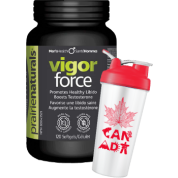
Vigor-Force - 120 Softgels + BONUS
Sale: $54.99
Reg.: $89.99 (Save $35.00)












