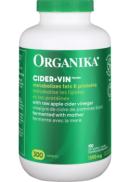
- 530mg
- Apple Cider Vinegar Powder
- From fermentation of Apple
Contains no: dairy, eggs, artificial colours, sweeteners, wheat, yeast, soy, corn or gluten
 Capsules
300 Caps
Take 1-3 capsules a day with meals and a glass of water
- For the maintenance of good health
- Supports healthy digestive tract
- Weight loss tool
- Easy to swallow capsule

Nourishment Rooted in Nature - 12 New Added
Organika, formulators of Canada’s best-selling Collagen and marine collagen and Bone Broth supports skin and joint health. Organika's health products also include; Organika spirulina, Chlorella, Curcumin to support inflammation, Organika Enhanced Collagen Protein, and Adaptogens to provide balance. Shop Organika here at National Nutrition.ca for quality, Canadian-made supplements. Read more >- Reviews
- POST A NEW REVIEW
Reviews By Rating
helpful votes
0
0 customers found this product review helpful
Apple Cider Vinegar
The history of apple cider vinegar dates to Hippocrates. He used apple cider vinegar as an elixir to treat his patients. During the Black plague health practitioners took apple cider vinegar because of its disinfectant properties. Today apple cider vinegar is touted as a cure-all with reported effects ranging from the curing the common cold to helping in cell growth therapy. How does it work? Apple cider vinegar contains acetic acid, a digestive aid that helps to increase acidity by increasing the length of time that gastric acid stays in the stomach.
Food gets broken down more efficiently, more nutrients are available to the body and a variety of health concerns (caused by poor digestion), are alleviated. Apple cider vinegar also improves regularity by increasing intestinal contractions. Signs of low stomach acid are bloating after meals, flatulence and nausea because undigested food stays in the digestive system where it ferments and produces gas.
Signs that nutrients are not being absorbed include tiredness, poor wound healing, irritability and recurring infections. You are probably thinking that we all complain of these symptoms at one time or another. This is true because as we age our production of stomach acid naturally declines and many people suffer from poor digestion due to stress and other lifestyle factors. Apple cider vinegar is recommended for any condition that is caused by poor digestion including fatigue, obesity, arthritis, frequent colds and flus, recovery from illness and constipation.
Apple cider vinegar is available as a liquid or soft gel capsules. If you purchase liquid vinegar it should be raw, unfiltered (cloudy looking with sediment on the bottom) and organic. Apple cider vinegar may be found in formulas for weight loss.
In high doses, apple cider vinegar can cause stomach irritation. Individuals with hyperacidity, stomach ulcers or those who use antacid medication should not use apple cider vinegar.
Digestive Support
The digestive process takes food material, breaks it down into absorbable pieces and transports it into the body. It is a complex process, involving many organs. Digestion begins with the scent of food stimulating the secretion of saliva. When food enters the mouth enzymes in the saliva begin to break it down. Chewing physically breaks down food pieces and stimulates saliva production. The mucus membranes of the mouth can absorb some nutrients.
Swallowed food travels don the esophagus and into the stomach. The stomach uses muscular contractions to mix the food with digestive enzymes and hydrochloric acid. High acid levels kill germs that may be in the food. Food stays in the stomach longer if it contains more fat and shorter if it contains more sugar.
The small intestine attaches to the stomach. Near it's beginning, ducts from the liver and pancreas release digestive juices. Nutrients are absorbed through the thin intestinal wall and transported via the bloodstream, to where they are needed. The remainder of the food is pushed through into the large intestine where water is absorbed. The remaining food is compacted and prepared for excretion as stool.
The liver produces bile, which metabolizes fats and proteins. It also takes the toxic material from food substances, like medications, alcohol, and hormones, and processes them to make them harmless. The liver produces factors for blood clotting and the immune system. The gallbladder is a storage area for bile from the liver. The pancreas manufactures enzymes and hormones, like insulin. Insulin allows cells to take in sugar to burn as fuel.
Many foods that we eat, other substances we consume and our lifestyles contribute to digestive disorders. Highly processed foods, alcohol, medications and tobacco are difficult for our body to break down and cause great strain on our organs, such as the liver and pancreas. They may also physically damage the digestive lining. Processed foods are also deficient in nutrients so not only does the body have to work extra hard to digest the food, but it also gets depleted of the things it needs to do its work. Water and fibre intake is important to have proper moisture and bulk in the stool and make bowel movements regular.
Back to Top ↑