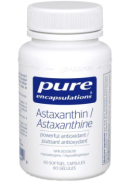
- 40 mg
- Haematococcus pluvialis - whole
- 4 mg
- Providing: Astaxanthin
Gelatin capsule (gelatin, glycerin, purified water), extra virgin olive oil
If you are pregnant or breastfeeding, consult a healthcare professional prior to use. Stomach/abdominal pain has been known to occur, in which case discontinue use. Store sealed in a cool dry area. Use only if safety seal is intact. Keep out of reach of children.
 Softgels
60 Softgels
Adults: Take 1 capsule 1–3 times daily with meals, or as recommended by a healthcare practitioner.
- Supports Cardiovascular Health
- Protects Eyes and Vision
- Provides Antioxidant Protection
- Immune Boosting
- Balances Cholesterol Levels
- Helps Protect Cognitive Health

Quality Vitamins Trusted by Healthcare Professionals
Pure Encapsulations offers hypoallergenic natural health supplements that undergo third-party testing for purity and potency. Pure Encapsulations is a leading brand among healthcare practitioners and is free from gluten, GMO, fillers and preservatives. Top-selling vitamins and minerals include; Magnesium Glycinate and B-Complex Plus. With Pure Encapsulations you have quality assurance. Read more >- Reviews
- POST A NEW REVIEW
Astaxanthin
By: Articles by a Naturopathic Doctor (N.D.)
It keeps you young and fit in both mind and body …
Astaxanthin is a xanthophyll carotenoid molecule that gives the reddish colour to a variety of organisms such as: microalgae, yeast, salmon, trout, krill, shrimp, crayfish, and some other crustaceans. It is used as a feed supplement for salmon, crabs, shrimp, chicken and eggs at farms across North America. It is the freeing of this pigment that is responsible for lobsters and shrimp turning red when they are cooked. Astaxanthin is a strong antioxidant that has a number of different health benefits.
Antioxidant
This nutrient is a strong antioxidant that can protect our cells against free radical damage from pollution, smoke, poor diet, and UV rays from the sun. This protection allows astaxanthin to help to prevent and treat eye diseases such as age-related macular degeneration, neurodegenerative conditions, skin diseases and even many different types of cell growths. At the same time, this ability helps astaxanthin to protect the skin against the physical signs of aging such as wrinkles and age spots.
Neurologic Benefits
Astaxanthin has been found to be extremely beneficial in a number of neurological concerns. It can be used to help prevent and treat neurodegenerative diseases such as Alzheimer's, and Parkinson's diseases, and has also been shown to help in recovery from stroke.
Cardiovascular and Blood Sugar Benefits
This nutrient has been found to help reduce cholesterol levels and lower the risk of developing metabolic syndrome. Metabolic syndrome is a disease state that involves central obesity, high blood pressure, poor blood sugar control, and unhealthy cholesterol levels. It is also used to treat diabetes and to help prevent diabetic nephropathy. At the same time, current research has found that astaxanthin protects the heart muscle against permanent damage during a heart attack.
Other Benefits
In addition to its health benefits listed above, astaxanthin has shown to be effective in the treatment of: chronic inflammatory diseases, gastrointestinal diseases, liver diseases, and even in some cases of male infertility.
How can I get More?
Eating a diet that is sufficient in astaxanthin containing fish and shellfish, such as salmon, trout, krill, and shrimp can help to increase your levels of astaxanthin. Astaxanthin for supplementation is most often extracted from microalgae formally called Haematococcus pluvialis and from the waste shells of commercially prepared shrimp. There is no established dosage for astaxanthin, so suggested dosages on the label of each product should be followed.
Important Information
Astaxanthin is used as a feed supplement for many farmed products to impart a yellow-orange colour to the food, such as egg yolks, salmon, etc. The astaxanthin used in these farms is often produced synthetically from petrochemical sources. Supplementation of astaxanthin has not been studied in pregnant or breast-feeding women, so it should be avoided. Astaxanthin should be obtained from food sources instead.
Astaxanthin – Quick Facts
Food Sources
· Microalgae, Yeast, Salmon, Trout, Krill, Shrimp, Crayfish And Some Other Crustaceans.
Indications
· Alzheimer's, Parkinson's, Stroke, High Cholesterol, Age-Related Macular Degeneration, Metabolic Syndrome, Diabetes, Cardiovascular Disease.
Optimum Dosage
· No Established Dose. Follow Label Recommendations. (Clinical Doses May Be Higher As Recommended By Your Practitioner).
Works Well With
· Other Carotenoids, Alpha Lipoic Acid, Coenzyme Q10, Vitamin C, vitamin E
Important Information
· Safety Has Not Been Established In Pregnant Or Breast-Feeding Women So Astaxanthin Should Be Ingested From Foods Only In This Group. Farmed Fish, Eggs, And Chickens Contain Astaxanthin From Petrochemical Sources.
Back to Top ↑