

Jasmine Tea
WHAT IS JASMINE TEA? Jasmine tea is a delicately scented tea that typically features a green tea base (though white tea and black tea are also occasionally used) that’s been infused with the aroma and flavour of jasmine blossoms, resulting in a subtly sweet and highly fragrant tea. It is by far the most popular scented tea in China. Read more >
-
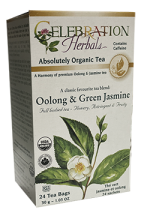
Oolong & Green Jasmine Tea from Celebration Herbal is a full bodied tea with a flowery, astringent and fruity flavour. This Chinese style tea is made by harvesting fresh jasmine flowers and storing them in a cool place. The blossoms are then layered amongst the tea leaves and as the jasmine flowers open, the tea takes on their beautiful scent and fresh, floral aroma; offering a delicate and sub...
+ Earn 5 Reward PointsSale: $5.49
Reg.: $6.84 (Save $1.35)
In Stock -
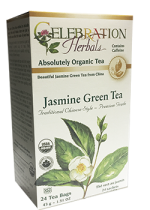
Premium Jasmine Green Tea from Celebration Herbal is a mild tea with a balanced taste and a rich, delicate fragrance of fresh jasmine. This Chinese style tea is made by harvesting fresh jasmine flowers and storing them in a cool place. The blossoms are then layered amongst the tea leaves and as the jasmine flowers open, the tea takes on their beautiful scent and fresh, floral aroma; offering a ...
+ Earn 5 Reward PointsSale: $5.49
Reg.: $6.84 (Save $1.35)
Out of Stock
Get Notified When in Stock
-
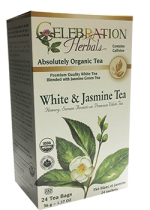
White & Jasmine tea blend beautifully in this combination by Celebration Herbals. The mild, sweet taste of white tea pairs well with fragrant jasmine tea that leaves a bright, floral aroma. This tea is mild and great for those new to tea tasting or for tea connoisseurs. Delicious hot or cold, either way, it offers a refreshing, clean brew and serenity in every cup. [TEA]
+ Earn 5 Reward PointsSale: $5.49
Reg.: $6.65 (Save $1.16)
Out of Stock
Get Notified When in Stock
What Is Jasmine Tea?
Jasmine tea is a delicately scented tea that typically features a green tea base (though white tea and black tea are also occasionally used) that’s been infused with the aroma and flavour of jasmine blossoms, resulting in a subtly sweet and highly fragrant tea. It is by far the most popular scented tea in China.
Jasmine tea is made by harvesting (green) tea leaves in the early Spring and storing them until the late Summer, right when jasmine flowers are in full bloom. The jasmine flowers are picked in the early morning while the petals are still tightly closed. The scenting process takes place in the evening when the petals open up releasing the full fragrance of the flowers. The scenting process can take one of two forms; either by layering a tray of jasmine blossoms under a tray of tea leaves and storing overnight, for the tea to absorb the jasmine fragrance, this is a time-consuming process that must be repeated 6 to 7 times to fully permeate the tea leaves with the flavor and aroma of jasmine. Alternately, loose tea leaves can be mixed with jasmine blossoms, which will then be filtered out once the full flavour profile has been achieved. It’s interesting to note that the layering method is by far considered the best and one that yields superior jasmine tea.
While most jasmine teas have caffeine, how much caffeine is present is dependent on the type of tea leaves used. Green tea, the most common base used, contains a moderate amount of caffeine, while white tea is low in caffeine, and black tea is relatively high in caffeine.
Jasmine Tea - Taste, Texture, Aroma
The taste of jasmine tea depends on many factors, including what tea base is used (green, white, or black), what kind of process was used to scent the tea, and how the tea was brewed. This being, said, there are still some common traits you can expect from jasmine tea such as they will all offer a sweet, fresh and delicately floral taste, while providing a subtle sweet floral, dewy aroma. Jasmine tea is often described as having a soothing aroma, delicious flavour, and soft aftertaste, which makes it ideal as an afternoon sipping tea.
Brewing a Perfect Cup of Jasmine Tea
Jasmine tea is best steeped with filtered water that’s been heated to around 190 F (simmering, never boiling), for up to three minutes. If you’re using loose-leaf jasmine tea, you’ll need about one teaspoon per cup, and slightly less if you're using pearls (hand-rolled young tea leaves). Extra care should be taken when brewing jasmine tea to avoid drawing out too much bitter flavour. If the aftertaste is too astringent try lowering your steeping temperature, or shortening your steeping time.
Jasmine tea is delicious plain, but can also be sweetened with a little sugar, honey, or date syrup, and you can also add a splash of milk. Another interesting and yummy way to prepare jasmine tea is as a latte.
Active Compounds in Jasmine Tea
Because jasmine tea is made with a tea base, the active compounds will reflect this base. In turn, because jasmine tea typically has a green tea base, the active components in jasmine will include those present in green tea as listed below.
- Caffeine – Caffeine has a well-established reputation for helping stimulate mental alertness and physical energy, and also imparts bitterness to the flavour of jasmine tea.
- Epigallocatechin gallate (EGCG) – is a free-radical scavenger, and has been shown to reduce inflammation in the body. There is also clinical evidence that EGCG can support optimal heart health and protect the brain. Because it is naturally bitter, EGCG lends added bitterness to the tea’s flavour profile.
- Kaempferol, Quercetin, and Myricetin – These three compounds are potent antioxidants that protect our cells and tissues against free radicals. Clinical data also suggests that they support the body’s natural inflammation response and healthy immune function.
- Saponins – Unique plant steroids that can foam when mixed with water and boast various health benefits. Saponins support the body's inflammatory response and natural immune processes. They also contribute astringency and bitterness to the tea.
- Theanine – A naturally-occurring amino acid in tea leaves, Theanine is responsible for the robust and flavoursome aspect of green tea. L-theanine also supports our neurotransmitter balance including that of serotonin and dopamine. This influences mood, sleep, and cortisol, and helps the body deal with stress.
There are also seven major volatile compounds present in jasmine tea. These are Benzyl Alcohol, Linalool, Benzyl Acetate, (Z)-3-hexenyl benzoate, Methyl Anthranilate, Indole, and α-farnesene, all of which are in large part responsible for the distinctive flavour profile of jasmine tea. This is why the more rounds of scenting a tea has undergone, the more concentrated these volatile compounds will be, and in turn, the more fragrant and flavourful the jasmine tea will be.
Back to Top ↑








