

Vegetarian Source Vit. A
Discover Vegetarian & Vegan Sources of Vitamin A
Vitamin A is a nutrient whose impact on your health is profound. From maintaining healthy vision to supporting immune function and cardiovascular and cellular health, vitamin A plays a critical role in your overall well-being. But what exactly makes this vitamin so important, and what happens when we don't get enough of it? Read more >-
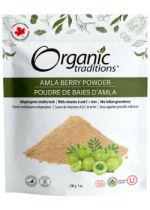
AMLA IS ONE OF THE MOST ANTIOXIDANT RICH FOODS Amla is one of the essential ingredients of Triphala. Amla is known as a rasayana, having restorative and balancing effects on the three constitutional elements that govern human life: Vat, Pit and Kaph. Amla is a potent rejuvenating herb that nourishes the tissues and gently removes toxins. Amla possesses sour, sweet and astringent tastes, predom...
+ Earn 9 Reward PointsSale: $9.99
Reg.: $10.99 (Save $1.00)
In Stock
Discover Vegetarian Source Vitamin A
Vitamin A is a nutrient whose impact on your health is profound. From maintaining healthy vision to supporting immune function and cardiovascular and cellular health, Vitamin A plays a critical role in your overall well-being. But what exactly makes this vitamin so important, and what happens when we don't get enough of it? Let's dive into the world of vitamin A, explore its significance, and find out how you can ensure you're getting enough—especially for those following a vegetarian diet.
Understanding Why Vitamin A Matters
Vitamin A is essential for numerous bodily functions. It's best known for its role in maintaining good vision. This vitamin is a critical component of rhodopsin, a protein in your eyes that absorbs light and helps you see in low-light conditions. But the benefits of vitamin A don't stop at your eyes. It also supports your immune system, cell growth, skin health, and reproductive function. Without adequate vitamin A, your body would struggle to carry out these vital processes, leading to many health issues.
Consequences Of Vitamin A Deficiency
A deficiency in vitamin A can lead to several serious health problems. One of the most well-known effects is night blindness, where an individual has difficulty seeing in low-light conditions. This condition is often an early sign of a vitamin A deficiency. If left unchecked, the deficiency can progress to more severe eye issues, including complete blindness, particularly in children. Beyond vision, a lack of vitamin A can significantly impact the immune system, making the body more susceptible to infections. It can also lead to skin problems, slow wound healing, and severely impair growth and reproduction.
Certain factors can predispose someone to a vitamin A deficiency. Malabsorption disorders, such as celiac disease or Crohn's disease, can prevent the body from absorbing enough vitamin A from food. Additionally, diets low in animal products or lacking in fortified foods may increase the risk, as the most bioavailable form of vitamin A—retinol—is typically found in animal-derived sources.
Food Sources Rich in Vitamin A
While animal products like liver, eggs, and dairy are rich in vitamin A, there are plenty of vegetarian sources available for those who avoid or limit their consumption of animal products. These plant-based sources contain beta-carotene, a precursor to vitamin A that the body can convert into the active form of the vitamin. Beta-carotene is found in vibrant orange and yellow vegetables like carrots, sweet potatoes, and pumpkins, as well as in leafy greens such as spinach and kale.
Several vegetarian supplements are available for those looking to boost their vitamin A intake. These supplements often derive their vitamin A from beta-carotene or other plant-based sources, making them suitable for vegetarians and vegans.
Supplementing With Vegetarian Sources Of Vitamin A
When it comes to vegetarian vitamin A supplements, there are various formats to choose from, each offering unique benefits. Softgels, capsules, and chewable tablets are common, making it easy to find a format that suits your preferences. Some people prefer liquid supplements, which can be added to smoothies or taken by the drop/spoon for those who have difficulty swallowing pills.
Vitamin A supplements can vary widely in terms of potency. A typical daily dose ranges from 2,500 IU to 10,000 IU, depending on your dietary needs and health goals. For those using beta-carotene supplements, the conversion rate to active vitamin A means that higher doses may be necessary to achieve the same effect as retinol. If you aren’t sure what dose may be right for you, consult a qualified natural healthcare practitioner for advice.
Side Effects of Too Much Vitamin A
While getting enough vitamin A is crucial, it's also important not to overdo it, especially with supplements. Excessive vitamin A intake, particularly in its retinol form, can lead to toxicity, with symptoms ranging from nausea and dizziness to more severe complications like liver damage. However, this is less of a concern with beta-carotene, as the body only converts as much as it needs into active vitamin A, making it a safer option for supplementation.
Recap On Vitamin A's Role In Health
Vitamin A is a powerhouse nutrient that supports many aspects of health, from vision to immunity. While deficiency can lead to serious health issues, there are plenty of ways to ensure you're getting enough, even on a vegetarian diet. By including beta-carotene-rich foods in your diet and choosing the right supplements, you can maintain healthy vitamin A levels and enjoy all the benefits this vital nutrient offers.
Back to Top ↑








