

CLA
How Does CLA Help Weight Loss?
Did you know that conjugated linoleic acid (CLA) is a type of polyunsaturated fat, and technically a trans fat, that occurs naturally in many healthy foods? CLA, in fact, refers to a group of at least 28 different isomers, including 16 naturally occurring isomers, found mostly in meat (particularly in grass-fed animals), and full-fat dairy products, as well as in hydrogenated vegetable oils. Because CLA is found primarily in animal products, vegans and vegetarians tend to have lower levels. Read more >-

Conjugated Linoleic Acid (CLA) is an incredible supplement derived from sources like safflower and sunflower oil and found naturally in grass fed meats and dairy as well as the yolk of an egg. CLA works to reduce body fat by preventing fat build-up in fat cells. It’s been shown to be an effective tool for those who want to lose body fat without sacrificing their lean muscle mass. CLA is also be...
+ Earn 22 Reward PointsSale: $22.99
Reg.: $32.99 (Save $10.00)
In Stock -
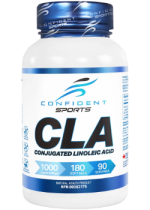
Conjugated Linoleic Acid (CLA) is an incredible supplement derived from sources like safflower and sunflower oil and found naturally in grass fed meats and dairy as well as the yolk of an egg. CLA works to reduce body fat by preventing fat build-up in fat cells. It’s been shown to be an effective tool for those who want to lose body fat without sacrificing their lean muscle mass. CLA is also be...
+ Earn 34 Reward PointsSale: $34.99
Reg.: $44.99 (Save $10.00)
In Stock
CLA For Weight Loss
Did you know that conjugated linoleic acid (CLA) is a type of polyunsaturated fat, and technically a trans fat, that occurs naturally in many healthy foods? CLA is widely used for weight loss and other health benefits. CLA, in fact, refers to a group of at least 28 different isomers, including 16 naturally occurring isomers, found mostly in meat (particularly in grass-fed animals), and full-fat dairy products, as well as in hydrogenated vegetable oils. Because CLA is found primarily in animal products, vegans and vegetarians tend to have lower levels.
CLA is also an omega-6 fatty acid that, once consumed, converts sugar into usable energy, instead of storing it as fat, which is why it has long been prized as a weight loss aid. Indeed, while CLA is used in a wide range of therapeutic applications, its biggest claim to fame is its scientifically demonstrated ability to help stimulate fat loss. Studies suggest that CLA can reduce body fat in a variety of ways including reducing food intake, increasing fat burning, stimulating fat breakdown, and inhibiting fat production. Studies have further shown that CLA supplementation can help enhance muscle protein synthesis (muscle building), the result being more lean body mass, less fat mass, and better overall body composition.
Benefits of CLA Supplements
- Anti-Obesity Effects
- Increases Lean Muscle Mass
- Reduces Appetite & Food Intake (by down regulating ghrelin)
- Stimulates Fat Burning
Who Should Consider CLA For Weight Loss?
CLA is used in myriad clinical applications. Your practitioner may recommend CLA supplementation to aid with weight loss thanks to its thermogenic properties that stimulate fat loss, improve body composition, and enhance muscle building. It may also be recommended to improve digestion, reduce food allergies and sensitivities, optimize bone density, support growth, and development, help balance blood sugar, or for the treatment of cardiovascular disease, notably atherosclerosis. There is also considerable research on the use of CLA in the prevention and treatment of unhealthy cell growth thanks to its demonstrated anticarcinogenic activities.
CLA Supplements For Weight Loss
CLA is a very popular supplement and is available in capsules, and softgels, as well as in powder form that can be added to customize your smoothies and protein shakes. CLA is also frequently added to sports nutrition blends, notably weight loss formulas and protein powders.
There is no standard dose for CLA supplementation; however, most of the research on CLA has safely used doses between 3.2–6.4 g daily. Supplements typically recommend between 1000 to 3000 mg (1 to 3 g) daily with meals. Always follow label instructions carefully.
Final Thoughts
While CLA is an omega-6 fatty acid, and thus pro-inflammatory (in sharp contrast to anti-inflammatory omega-3’s), it also functions far more like an omega-3 fatty acid inside the body (helps temper inflammation), so most people would benefit from adding it to their supplement regimen.
It’s important to note that in healthy individuals, CLA is easily bioconverted from linoleic acid and alpha-linolenic acid, by Bifidobacterium bacteria that reside in the gastrointestinal tract. However, this bioconversion may be hindered (or altogether impossible) in those with GI conditions or dysbiosis. In such instances, speak with a qualified health care practitioner to find out the best approach for you.
Back to Top ↑








