

Aller Que (Formerly Aller - Control) - 90 Caps - Aor

We're sorry, we no longer carry this item.
Check These out
Suggested, Similar, & Related Products:
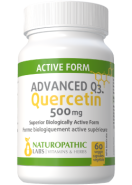
Sale: $26.99
Reg.: $39.99 (Save $13.00)
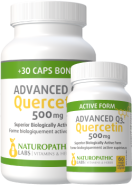
Sale: $34.99
Reg.: $64.99 (Save $30.00)
(Click Add to Select Bonus)

Sale: $49.99
Reg.: $69.99 (Save $20.00)

Sale: $34.49
Reg.: $46.49 (Save $12.00)

Sale: $22.94
Reg.: $29.95 (Save $7.01)

Sale: $22.99
Reg.: $27.99 (Save $5.00)

Sale: $24.99
Reg.: $29.99 (Save $5.00)
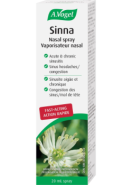
Sale: $14.99
Reg.: $19.99 (Save $5.00)

Sale: $51.23
Reg.: $64.03 (Save $12.80)
Or, Shop our Latest Deals:
Shop Now >- 50mg
- Butterbur Extract(Petasites hybridus; 15% petasin)
- 200mg
- Quercetin
- 167mg
- Rosemary Extract
Capsule; hypromellose, water.
Contains no wheat, gluten, corn, nuts, dairy, soy, eggs, fish or shellfish, or any animal byproduct. Do not use if pregnant or nursing. Consult a health care practitioner for use beyond 1 month or if symptoms persist or worsen. Some people may experience gastrointestinal discomfort (such as eructation). Do not use if pregnant or nursing
 Capsules
90
Take one capsule three times daily with food or as directed by a qualified health care practitioner.
- Allergies
- Headaches
- Antioxidant Protection
- Immune Boosting
- Natural Formulation
- 100% Vegetarian

Innovative Formulas by AOR Canada found at National Nutrition
AOR Canada is the innovative formulators of Canada’s best-selling antioxidant support, AOR Advanced B Complex and AOR Tri-B12. They are also known for their top bone health supplements, Ortho Adapt and Bone Basics. You can also SHOP AOR's Nattokinase, and trusted Curcumin Ultra, Curcumin Active and Curcumin95 inflammation support at National Nutrition.ca. AOR are leaders in natural health with innovative product development. Read more >- Reviews
- POST A NEW REVIEW
Allergies are a common problem that affects 20% of Americans, and the prevalence of allergy has lately been on the rise. Allergies are caused by a glitch in the immune system. In any normal immune system, plasma cells produce proteins called antibodies, which patrol the body like tiny police officers in search of proteins that are foreign to the body and signal the presence of a problematic invader. When antibodies find such an invader, they alert the immune cell authorities to trigger an immune response. The least common kind of antibody, immunoglobulin E (IgE), is normally present in very low amounts and is only used to set off an immune reaction in response to a parasitic infection.
However, some people have hereditary predispositions to react to harmless compounds (allergens) such as food proteins, animal hair proteins, plant pollens, drugs, or substances like latex. IgE antibodies bind to immune cells called mast cells and basophils, which are concentrated in skin and mucous membrane surfaces. When the body is exposed to the allergen recognized by IgE, the antibody tells the cells to "degranulate", releasing all kinds of signaling mediators including histamine. These mediators immediately act on surrounding tissues to make blood vessels dilate and smooth muscle contract. Depending on where the allergen is found, this reaction will produce symptoms ranging from irritated sinuses to itchy skin to breathing difficulties.
Allergies can be combated by blocking the allergic response or by targeting inappropriate inflammation, which lies at the root of allergic symptoms. AllerQue contains several natural compounds that work together to relieve the misery of allergies.
Rosemary
Rosemary contains a compound called rosmarinic acid which has been shown to be highly beneficial for the relief of allergy symptoms. A randomized, double-blind, age-matched placebo-controlled parallel group study observed the effects of rosmarinic acid on 30 patients with seasonal allergic rhinoconjunctivitis (SAR). At the end of the trial period, there was a significant relief of itchy nose, watery eyes, itchy eyes and total symptoms. 55.6-70% of patients given rosmarinic acid reported global symptom relief, compared to only 30% of the placebo group.
Rosmarinic acid is well absorbed from the gastrointestinal tract and besides its effects on allergies; it is a powerful antioxidant with a range of health benefits. Rosemary has also been shown to help relieve headaches.
Quercetin
Quercetin is the most widely consumed flavonoid in the diet and has been used to treat a variety of complaints. Cellular and animal studies have found it to be a potent inhibitor of allergic and inflammatory responses. Quercetin acts to inhibit histamine release and is widely used by those who suffer from constant allergies (such as dust) and seasonal allergies (such as hay fever). It is also a powerful antioxidant, and has benefits in heart health and diabetic complications. High intakes of quercetin are linked to lower mortality rates and heart attack.
Butterbur
Butterbur (petasites hybridus) is a shrub found in Europe and in parts of Asia and North America. A study of patients with asthma or bronchitis found that butterbur improved lung ventilation and bronchial reactivity. Another study found that petasites had a comparable effect to the antihistamine Cetirizine for seasonal allergic rhinitis, likely due to its effectiveness at reducing nasal responsiveness. It did not have the sedative effect associated with the drug.
Migraines are another disorder characterized by inappropriate inflammation, and in a double-blind placebo-controlled study, butterbur supplementation led to up to a 60% decrease in migraine frequency compared to the placebo group, and the migraine symptoms decreased in duration and intensity.
Cellular mechanisms
The ingredients in AllerQue work at a number of levels to block allergic responses and alleviate the associated symptoms. Quercetin blocks the production of IgE, thereby inhibiting the allergic response from developing in the first place. Several of the compounds are able to stabilize mast cells to prevent them from degranulating and releasing histamine and other pro-inflammatory mediators. Rosemary inhibits a key step of the complement system, which is an alternate pathway of inflammation.
Some of the cytokines that are primarily responsible for allergic diseases include interleukin (IL)-4 and IL-5. IL-4 is one of the most important cytokines in the production of IgE and allergic inflammation. IL-5 is responsible for recruiting eosinophils, which are immune cells that assist in priming the immune system for an allergic response and are responsible for releasing pro-inflammatory mediators. Eosinophil accumulation is a distinctive feature of allergic inflammation. Rosemary and quercetin is able to block the production of IL-4 and IL-5, and the subsequent recruitment and activation of eosinophils.
For those who are sick of dealing with itching, sneezing, watery eyes, difficulty breathing, or even worse symptoms, the compounds of AllerQue are brought together to provide a natural solution for allergies.
How Does Butterbur Work?
Researchers in Japan have identified within Japanese Butterbur (Petasites Japonicus) specific sesquiterpenes biologically active fractions with demonstrated anti-allergenic activity.1 The full biological activity of Japanese butterbur is actually quite diverse, with anti- oxidative2, anti-inflammatory3, and vasodilative4 capabilities (among others) being well documented.
While all of these activities contribute indirectly to the alleviation of allergy symptoms, there are some very specific parameters for measuring the inhibition of the allergic response itself, as well as identifying which sesquiterpenes within butterbur affect those parameters.
A primary parameter of the allergic response is degranulation. This happens when the body of an allergy-prone individual produces excess IgE, or Immunoglobin E (a type of antibody meant to protect against infections), which in turn attaches itself to mast cells, causing degranulation. Degranulation is the release of granules from the mast cells in an immune response process called exocytosis. Granules are cytotoxic, antimicrobial molecules whose release is accompanied by a corresponding synthesis and release of histamine, cytokines, and leukotrienes, all of which launch an inflammatory cascade leading to the standard symptoms of an allergic reaction (mucous buildup, runny nose, irritated eyes, etc). Anaphylaxis represents the most severe form of such a reaction.
Rosemary: Where Tradition Meets Science
Rosemary is a bushy shrub with whitish blue flowers that grows wildly along the coasts of the Mediterranean.1 It has been cultivated since ancient days in Europe, Central America, and other regions2. Now it is a common household plant that is used for flavoring and in cosmetics, and whose fragrant needle-like leaves are used in cooking.3 Rosemary has been used in folk medicine as an antispasmodic, for relief of respiratory disorders, and for stimulating hair growth. It has also been used as a pain killer, a diuretic, and for human fertility. Its extracts relax the smooth muscles of the trachea and intestine and have antioxidant, liver protective and tumour fighting activities.2 One of the ancient cult plants, it is closely associated with love and marriage, birth and death, and is still used in bridal bouquets in England and Germany as a symbol of remembrance. Rosemary was also traditionally put in the cradles of infants to guard against harm.2 Modern science is now showing that rosemary extracts can indeed guard against certain kinds of harm, including the damage caused by allergies and inflammation.
Dealing with Allergies
Studies of rosemary have found that its major chemical components are polyphenolics with antioxidant activities. These substances include rosmarinic acid, caffeic acid, carnosolic acid, rosmanol and carnosol.4 Besides acting as antioxidants to prevent cell damage, several of rosemary's components also serve to block inflammation. Allergies are inextricably linked with inflammatory processes since inflammation is the mechanism behind most of the unpleasant and potentially dangerous allergic symptoms. Inflammatory events involve very complex pathways, and can be blocked at a number of steps in a variety of ways. The initiation and continuation of inflammation is caused by inflammatory signaling mediators such as prostaglandins, leukotrienes, chemokines and cytokines. Histamine is another signaling molecule whose effects contribute to a number of allergic symptoms. Anti-inflammatory compounds often work by blocking such mediators. Immune cells such as macrophages, eosinophils and basophils play an important part in the pathogenesis of allergic disease by releasing inflammatory mediators. Mast cells are particularly detrimental because they store histamine and other agents of allergy inside granules, all ready to be released as soon as the signal is given.
Blocking the activation of these cells can reduce allergic responses. Inflammation can also be modulated by preventing the recruitment of inflammatory cells to the tissues being targeted for an allergic response, and blocking their infiltration into these tissues.
Rosemary's Anti-inflammatory Team
One of rosemary's key components, rosmarinic acid, is a substance that is well absorbed from the gastrointestinal tract and that has therapeutic potential in the treatment and prevention of bronchial asthma, spasmogenic disorders, peptic ulcers, inflammatory diseases, liver toxicity, atherosclerosis, ischemic heart disease, and even cancer. In the inflammatory process, rosmarinic acid increases the production of anti-inflammatory signaling molecules while reducing the production of pro-inflammatory leukotrienes. It also inhibits a key step of the complement system. This system is a biological cascade that provides an alternate pathway of inflammation, eventually leading to increased blood vessel permeability, recruitment of inflammatory cells, enhancement of platelet activation and aggregation, and an enhancement of proinflammatory signal molecule production.
Another of rosemary's main components, caffeic acid, also has benefits in inflammatory conditions. When tested against various anti-inflammatory plant polyphenols, caffeic acid showed the most potent inhibition of tumour necrosis factor alpha, a major pro-inflammatory cytokine.
Carnosic acid also has anti-inflammatory actions. In chronic inflammation, cytokines induce the production of nitric oxide (NO), which shifts the balance of the immune system to favor inflammation. Elevated levels of NO are found in patients with allergic diseases such as asthma. A study of rosemary extract found that it was able to suppress the production of NO. This activity was attributed to carnosic acid and carnosol.
Furthermore, the antioxidant properties of rosemary's extracts can help reduce the cellular damage caused by free radicals that are released during the inflammatory process.
Back to Top ↑








