

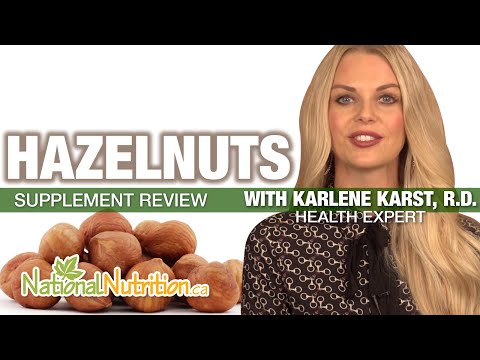
Hazelnut Benefits - Exploring Uses & Varieties
Updated Mar. 11th, 2025 | Read Time: 3 Minutes | What You Will Learn:
- What Are Hazelnuts?
- Top Hazelnut Benefits For Good Health
- Cardiovascular Disease Benefits of Hazelnut
- Weight Loss
- Antioxidant Benefits of Hazelnut
- Nutritious Superfood
- Shopping For Quality Hazelnuts
- Selecting The Best Hazelnuts
- Hazelnut Alternatives
- Nutritional Information
- Reader Comments (4)
When combined with chocolate, hazelnuts make unforgettable treats like Nutella and Ferrero Rocher chocolates. The world loves this combination and because of that, Ferrero buys approximately 25% of the world's hazelnut supply each year! However, this nut is much more than a sweet indulgence, the hazelnut possesses quite a few health benefits.
What Are Hazelnuts?
Hazelnuts, which are also called filberts or cobnuts, are produced by hazel trees. The trees grow all over the world in temperate climates and the world's largest producers of hazelnuts are found in Turkey, supplying approximately 70% of the world's demand. In the U.S., Oregon is the largest producer and in Canada, most hazelnuts are grown in British Columbia. Unfortunately, in 2014, Turkey suffered severe weather conditions that interfered with the growing season of hazelnuts, causing hazelnut prices to skyrocket.
Hazelnuts are either harvested by hand or are mechanically raked up after they have fallen from the tree. Interestingly, most commercial growers wait until most of the nuts have fallen on their own before they collect them. Hazelnuts ripen in late August, which is the best time to find the most flavorful nuts. If you keep them in their shell and store them in a dry, cool place, they can last for a few years.
Top Hazelnut Benefits For Good Health
Cardiovascular Disease Benefits of Hazelnut
Cardiovascular benefits found in the hazelnut are due to its high concentration of healthy monounsaturated and polyunsaturated fatty acids that work to protect the heart and blood vessels from plaque buildup. Eating 1.5oz daily can help reduce the risk of cardiovascular disease and can help reduce cholesterol levels.
Weight Loss
A review of 31 studies found that incorporating nuts into your diet promotes weight loss, especially when eating nuts replaces other foods. Hazelnuts are a good source of protein, healthy fat and fibre, which are exactly the macro-nutrients needed to keep your blood sugar stable and to promote healthy weight loss. Add hazelnuts to trail mixes or eat a small handful (10-15 nuts) as a snack. Hazelnuts also contain B vitamins which help combat stress and improve mood, which will also support weight loss.
Antioxidant Benefits of Hazelnut
The hazelnut is a rich source of antioxidants and contains plant compounds called phenolic acids and flavanols, which benefit your health by helping protect against chronic diseases and inflammation.
Nutritious Superfood
Hazelnuts are high in minerals like calcium, magnesium, manganese and iron. Compared to all other nuts, hazelnuts have the highest amount of folate, which is very important for preventing neural tube defects during pregnancy. Hazelnuts are also high in B vitamins and vitamin E.
Nutritional Information
| nutrient profile for 100grams (3.5oz) | |
|---|---|
| calories | 628 |
| fibre | 11 grams |
| protein | 15 grams |
| monounsaturated fat | 46 grams |
| polyunsaturated fat | 8 grams |
| saturated fat | 4.5 grams |
| calcium | 114mg |
| magnesium | 163mg |
| potassium | 680mg |
| zinc | 2.4mg |
| iron | 4.7mg |
| supplement articles – vitamin e | 15mg |
| vitamin b-1 | 0.64mg |
| vitamin b-6 | 0.92mg |
| folate | 113ug |
Shopping For Quality Hazelnuts
Hazelnuts are great for snacking. They make a nutritious snack on their own or are very tasty in trail mixes. Add chopped hazelnuts to your oatmeal or on a salad. You can add crushed hazelnuts to tomato-based pasta sauces, or add them to muffin recipes. Hazelnut meal is a great nut flour that you can use in gluten-free baking. Of course, hazelnut butter is very tasty too, especially when it's mixed with chocolate and you can use it on toast, cut-up apples or in smoothies.
Selecting The Best Hazelnuts
To get the most nutrient-dense hazelnuts, choose raw, unshelled hazelnuts. Roasting destroys some of the nutrients and salted nuts are not good for those trying to avoid excess salt. Most nuts are high in monounsaturated and polyunsaturated fats which can go rancid when exposed to light, heat and humidity. Keep your hazelnuts in their shell and refrigerate or freeze them so they will stay fresher, longer.
Hazelnut Alternatives
People who are allergic to peanuts, brazil nuts, macadamia nuts and birch pollen, may also be allergic to hazelnuts.
If you are allergic to hazelnuts, seeds make a good alternative. Try pumpkin seeds, sesame seeds, chia seeds, and sunflower seeds. Raw seeds can also provide essential Omega 3 fatty acids, minerals and antioxidants to benefit your health. For other healthy snacks consider dried legumes like chickpeas or soybeans, which are high in fiber and protein.













I love hazelnuts especially in chocolate so I found it really cool and interesting to read that Ferror Rocher buys approximately 25% of them! And I had no idea that they were mostly produced in Turkey which is really cool! I knew that nuts were healthy and contained great fats but did not know that some nuts, like hazelnuts, could contain folate and antioxidants in them! Now, only if I could eat them without the chocolate haha!
Hello,
Hazelnuts are very delicious roasted and have a one of a kind flavour. Of course, they're tasty in chocolate too. You can try adding them to these carob chews to forgo the chocolate, but keep the same kind of taste:
https://www.nationalnutrition.ca/articles/healthy-recipes/no-bake-carob-chews/
and here you can read the benefits of carob:
https://www.nationalnutrition.ca/articles/supplements/carob/
Hazelneuts are my favorite nut, paticularly the Oregon ones. It's unfortunate that most US hazelnuts are not organic because fungus is a widespread probem afflicting the trees...making the organic US ones a real treasure! I appreciate you providing the nutritional panel I had no idea that hazelnuts were a great source of calcium and potassium, which are two nutrients of importance to me. And, I find it funny and cute that most commercial manufacturers actually just wait until hazelnuts have fallen from the tree to harvest!
Hello Rachel,
Glad to hear you're a big fan of hazelnuts, especially the organic ones from Oregon! It's a shame the non-organic varieties often struggle with fungus issues, but it's cool that the organic ones are such a rare treat. Happy to provide the nutritional info and help you learn something new about these tasty little nuts.
Have a healthy day!