

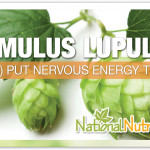
Humulus Lupulus has been used in brewing as a bitter flavouring, preservative and antibiotic for over a thousand years. When it was being harvested by hand, it was noticed that hops pickers were often drowsy. The small amount of volatile oil in Hops is concentrated when the flower is dried and this is what is said to give the herb its sedative effects. Today it is widely valued for its sleep-inducing and calming properties.
Humulus Lupulus Plant History
The Hops vines grow only female flower clusters on their hairy stems and are found in Europe, Western Asia and North America. Herbal medicine makes use of the dried female fruiting bodies called strobiles. They have both a spicy aroma and bitter taste, which account for Hop's ability to increase gastric secretions and appetite, making it a useful digestive aid.
Health Benefits of Humulus Lupulus
Humulus Lupulus, like many plants, has been used in different areas for slightly different medicinal uses. Native Americans used Hops for insomnia and pain. In Europe, it was traditionally given as a general tonic, to relieve rheumatism and joint pain, cure fever, remove obstructions and as a diuretic.
It has also been used to treat jaundice and abdominal discomforts, such as gas, cramping and diarrhea. It can be used to treat infection, as it is known to have anti-microbial properties.
Today, the use of Hops is more restricted to its use as an anti-anxiety, relaxant and sedative. It is also often combined with other herbs to treat acute menopausal symptoms, such as hot flashes, insomnia and mood swings. It is said to have mild estrogenic effects.
Humulus Lupulus Supplement Varieties
Hops can be used fresh or dried and put in a sachet under one’s pillow to promote a good night’s sleep or made into tea. It is also typically used in tincture (Alcohol extract) form, although can be made into both oil and tablets, as well.
As a dried substance, approximately 300-400 mg/day is commonly used. As a liquid extract, 1.5-3 ml/day can be used.
Potential Side Effects & Important Considerations
Hops are considered safe and non-toxic, and compared to other sedatives are said to be very mild. Individuals with peanut, chestnut and banana allergies may also find they are allergic to hops or hops pollen. These individuals should be cautious when consuming this substance. Individuals using hops while also on CNS depressant medication may want to be cautious while driving or operating machinery. It is not recommended in pregnancy and lactation.
Parts Used – Female flowers (Strobiles)








