A-Z anti-inflammatory Articles

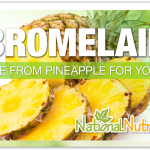
  • Benefits of Bromelain

    The bromelains are a group of naturally occurring protein-digestive (proteolytic) enzymes. They are found in the stem of the pineapple. Other components of the stem, including various enzymes and calcium, are also present in commercial bromelain preparations. Benefits of bromelain include assisting in the digestion of food and supporting gut health

    Health Benefits of Bromelain Supplements

    Besides being used to assist in the digestion of protein, the enzymes in bromelain also inhibit inflammatory chemicals called prostaglandins. The anti-inflammatory effect has been studied for its effectiveness in inflammatory conditions like arthritis and sinusitis.

    Where Can I Get Bromelain?

    To get substantial amounts of bromelain from pineapple you must eat the fibrous stem; therefore, it is much easier to get the benefits of bromelain from a supplement. Bromelain can be purchased in capsules, specifically enteric-coated capsules which limit the use of bromelain in food digestion. These enzymes have been studied, with mixed results, for anti-inflammatory conditions. 

    Bromelain is found as a component of digestive, multi-enzyme or anti-inflammatory formulas. Supplements should be standardized as an assurance of the enzyme activity of the preparation.

    Cautions & Considerations of Bromelain Supplements

    Do not take bromelain if you have active stomach ulcers, active bleeding, hypertension or cardiovascular disease. Bromelain should not be used with blood thinners, NSAIDs or aspirin. Discontinue bromelain 2 weeks before dental work or surgery.

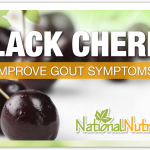
  • Black Cherry: An Immune Health Supplement

    While black cherry is a well known ingredient in foods such as jams, pies and drinks, less is known about the many health benefits of this tasty little fruit.

    What is Black Cherry?

    Black cherry, also known as wild black cherry, is found indigenous to eastern North America. Its Latin name is Prunus serotina and this sun loving tree can be found throughout southern Quebec and Ontario. Both the bark and the cherries have medicinal properties and have unique applications.

    Health Benefits of Black Cherry

    The bark of this tree is a cough suppressant and is excellent for treating colds, coughs and bronchitis. Its astringent properties also make it useful in treating diarrhea and digestive upset. The bark is also believed to have sedative properties and can be used for insomnia.

    The cherries (the fruit of the tree) are used to treat gout, which is a build up of uric acid crystals in the joint, causing pain and inflammation. Uric acid crystals build up as a result of eating high amounts of meat, sugar, coffee and alcohol. Black cherry cleanses uric acid crystals from the joints and helps relieve pain associated with inflammation. One study found that consuming this fruit caused reduced blood levels of uric acid and increased uric acid levels in the urine, meaning that the black cherries helped the kidneys excrete excess uric acid.

    One small study showed that drinking this fruit juice reduced muscle damage after exercise. More research is needed to confirm this benefit, but the initial research is promising.

    Medicinal Properties of Black Cherry

    Like other medicinal plants, this fruit has a number of active constituents that contribute to its affects on the body. The bark has cyanogenic glycosides that act to reduce the cough mechanism. The bark also has astringent properties that dry up secretions, which makes it useful in colds and diarrhea.

    Black cherries contain anthocyanins, which have antioxidant and anti-inflammatory properties that protect cells from damage. This makes it potentially beneficial for healthy cell growth and one study showed that they prevented unhealthy colorectal cell growth; however, more research is needed.

    How To Take These Supplements

    Since there are two different components of this plant with different uses, you must pay attention to the form you purchase. Black cherry bark is often used in herbal combination remedies for coughs and colds, and is not usually found on its own. This fruit can be found in juice form or as an extract in soft gels or capsules.

  • Butyrate Supplement Benefits & Uses

    Butyric acid (butanoic acid) is a Short Chain Fatty Acid found naturally in the human digestive tract. It is produced from the breakdown of dietary fibre in the colon in the presence of beneficial bacteria. Butyrate supplements have been found to help reduce inflammation in the colon and may help to stop unhealthy cell growth and slow memory loss in Alzheimer’s disease.

    What Is Butyrate?

    Butyric Acid to Butyrate

    Butyric acid (now known as butanoic acid) can easily form a salt in the digestive tract by binding to a positive ion, which results in the formation of butyrate (now butanoate). There are many forms of butyrate available, such as salts of methyl butyrate, ethyl butyrate, butyl butyrate, pentyl butyrate, and even sodium butyrate. Alternatively, butyrate can be part of a larger molecule and the name will contain “-butyro-“ within it.

    Health Benefits of Butyrate

    The presence of butyrate in the digestive tract has been shown to reduce inflammatory responses in colon cells. This has made it useful in the treatment of Inflammatory Bowel Disease (IBD) like Ulcerative Colitis and Crohn’s Disease. It has been shown to reduce the production of interferon-gamma (IFN-g) in the gut, a major pro-inflammatory cytokine. Direct supplementation can thus help to reduce inflammation, particularly in the digestive tract. Alternatively, increasing prebiotic fibre and providing probiotics can help to bring the digestive tract back into its own balance and allow for the body’s natural production of butyrate once again.

    Sodium Butyrate As A Supplement

    A butyrate salt called sodium butyrate is sometimes formed during digestion in the presence of sodium and fibre in your gut. It can also be manufactured and directly supplemented. This molecule has been found to strongly detoxify ammonia and neurotoxins in the gut, as well as promote the growth of healthy gastrointestinal flora. Recent research in mice has found that supplementation in early-stage Alzheimer’s disease improved memory function. It has also been found to stop the growth of certain abnormal cells, particularly in the colon. All of this research is preliminary (in animals and cell culture), so further research is required before we can be sure of the same benefits in humans.

    Where To Buy Butyrate Supplements

    Simply ingesting healthy prebiotic Fiber along with beneficial Probiotics can work together to allow for your body’s own natural production of butyrate. Butyrate salts can also be found alone and in supplements for colon and mental health. There is no established therapeutic dose of butyrate, so be sure to follow the manufacturer’s directions on any supplements that you may purchase.

  • Cat's Claw Benefits For Your Health

    Cat’s claw is a herb that comes to us from the rainforest and native civilizations like the Incas. The name of this climbing vine comes from the curved thorns that the plant uses to fasten itself onto other plants. Cat’s claw benefits health because it contains so many active ingredients that possess medicinal properties.

    It takes three to eight years for cat’s claw vines to become large enough to harvest. Increased demand for this plant has made Cat's claw an endangered species in some South American countries. The government of Peru has implemented a planting campaign to preserve cat’s claw. 

    Key Health Benefits of Cat's Claw

    Cat's Claw is best known as an immune modulator, meaning that it can increase deficient immune responses, which cause things like frequent colds and flu, as well as decrease improper immune responses, as happens in allergic reactions and inflammatory diseases.

    Cat’s claw is also an anti-inflammatory agent that can be used for chronic inflammation. It has antioxidant activity which fights free radicals (unstable molecules that in their bid to become more stable bump into healthy cells and cause damage). Cat’s claw’s antioxidant properties neutralize free radicals and reduce damage to the body, including damage to genetic material that may lead to unhealthy cell changes. Cat’s claw is recommended by natural health practitioners for a variety of conditions including the following, including viral infections, fungal infections, bacterial infections, arthritis, colitis, Crohn’s disease, stomach ulcers, chronic fatigue syndrome, autoimmune disorders and unhealthy cell division.

    Selecting The Best Cat's Claw Supplement Variety

    Cat’s claw can be purchased as a loose herb, encapsulated herb or tincture. Cat’s claw may be found in formulas for pain relief, arthritis, colds and flu or intestinal cleansing. You may want to inquire as to the source of the cat’s claw that you purchase to ensure it's pure, potent and high-quality.

    Cautions, Considerations & Potential Side Effects

    Cat’s claw should not be used in pregnancy because it may lead to miscarriage. Due to catnip’s immunostimulating action those on immunosuppressive or immunoglobulin therapies, such as transplant recipients, should not use it. Cat’s claw decreases blood clotting and should not be used by people with active bleeding, those who have had surgery recently or those who use blood-thinning medications, anti-inflammatories or aspirin.

  • Chamomile: An Herb For Relaxation

    Chamomile is a well-known herb among the general population. It is in the same plant family as ragweed and offers soothing health benefits. Its mild, pleasant taste makes it a favourite tea for soothing digestion and nerves. 

    Top Health Benefits & Uses For Chamomile

    Considering chamomile's sedative, anti-inflammatory and spasmolytic properties, it's no wonder it has long been used in medicinal practices. It is often used to help arthritis, insomnia, anxiety, muscle spasms, digestive upsets, diarrhea, headaches and pain. 

    One component of chamomile, azulene, has been shown to decrease the release of histamine and serotonin in tissues. Serotonin and histamine promote inflammation by attracting immune cells to the area and by increasing the permeability of blood vessels so that more fluid goes into the area.

    Chamomile tea or tincture can be gargled to help prevent infection and heal mouth or gum abrasions. It can also be applied topically to wounds, burns and acne for the same purpose. Chamomile has been traditionally used as a tonic for the uterus, specifically to relieve menstrual cramps.

    Dried chamomile flowers are commonly made into tea. Chamomile can also be purchased in capsules or as a tincture. Standardized preparations are available and assure the consumer that the proper plant, and usually, some of an active ingredient is present. Chamomile may be found in formulas for soothing the digestive tract or relaxing the mind and body.

    Cautions & Important Considerations

    Chamomile is in the same plant family as ragweed therefore individuals with ragweed allergies should not use chamomile. Also, prolonged use of chamomile may lead to sensitization to ragweed. Do not use chamomile while you are pregnant or nursing. Theoretically, chamomile may cause drowsiness and should not be taken when performing tasks that require alertness and chamomile may increase the effect of sedative medications. Although both of these contraindications have never been proven clinically, caution should be observed.

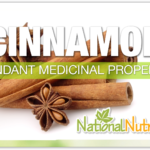
  • Cinnamon Tea, Powder & Supplement Health Benefits

    While cinnamon may be a tasty addition to your morning oatmeal or daily coffee, cinnamon also offers exceptional medicinal properties, making it as effective as it is delicious. Let's explore how cinnamon tea, powder and supplements can support your health. 

    Discover The Rich History of Cinnamon

    The use of Cinnamon stems back to at least 500 BC, with Cinnamon verum coming from Sri Lanka and India, while Chinese cinnamon or cassia is cultivated in China, Indonesia and Vietnam. A cinnamon tree is a bushy evergreen that grows best in humid tropical forests. It has a reddish brown aromatic bark, which is eventually peeled off and removed from its outer covering, leaving an aromatic inner bark that is rolled together to form sticks (quills). The quills of true cinnamon (verum) and cassia are easily distinguished, but once powdered they are very hard to tell apart. In your typical grocery store or spice rack, you will most likely find the cassia form of cinnamon or commonly a mix of the two. Cassia is somewhat less expensive than the verum variety with basically identical pharmacological effects. 

    Top Health Benefits of Cinnamon Tea & Powder

    Cinnamon is a great nutrient for digestive complaints, such as nausea, vomiting, abdominal cramping and diarrhea. It is also a go-to herb in terms of regulating blood sugar.

    Blood Sugar Support

    Research shows that Type II diabetics can lower their fasting serum glucose significantly using cinnamon in doses of as little as 1 g/day. Cinnamon was found to reduce serum triglycerides and both LDL and total cholesterol in this population, as well. This has particular significance to individuals with diabetes, as the combination of high triglycerides, high cholesterol and diabetes leaves them much more likely to develop Metabolic syndrome, which in turn can lead to serious conditions such as atherosclerosis and heart disease. 

    Antibacterial Properties For Cold & Flu Support

    In addition to its properties as an anti-diabetic, anti-spasmodic and carminative, Cinnamon tea and powder supplements have both anti-fungal and antibacterial properties, as well. For this reason, it is used to treat colds and other respiratory infections. It is also a very warming herb. In terms of Chinese medicine, anyone suffering from cold or damp afflictions should increase their intake of herbs such as cinnamon and ginger – a great excuse to drink Chai tea!

    Digestive Supporting Properties

    As a digestive, cinnamon can have a great impact on the uncomfortable feelings that accompany IBS - especially the bloating. This is due to killing unhealthy bacteria healing infections that are present in the gastrointestinal tract and allowing the gastric juices to work normally.

    Weight Loss Control

    Some people believe that consuming cinnamon will make them lose weight. Currently, there is no evidence to support this theory. However, it is a "weight gain preventer". Coupled with a healthy diet and exercise, cinnamon tea may help to keep the pounds off. 

    This is because cinnamon is said to keep you feeling full which leads to eating less. It is a natural digestive meaning that the food you eat is digested properly and your body will not need more food to keep it going. Cinnamon increases blood sugar metabolism meaning that it breaks down sugar for absorption and turns it into energy making the body produce less fatty acids to store. Lastly, some research has shown that cinnamon can keep you focused, alert and in a better mood. When you have more energy, you are more likely to get the exercise you need to lose weight.

    How To Take Cinnamon Tea or Powder As A Supplement

    A typical dose of cinnamon, depending on the concern you are looking to treat, ranges from 1 – 4 g/day. Cinnamon can also be used as an essential oil, in which case the dose ranges from .05 -.2 g/day. It's always important to follow labelling directions on your supplement and follow the manufacturer's guidelines. 

    Potential Risks & Cautions To Consider

    One important note when considering cinnamon as a supplement is the kind of cinnamon you're taking. Cassia is said to be safe during pregnancy, but verum is cautioned because high doses can potentially induce abortion. 

    Also, the essential oil should never be ingested, unless it's a food-grade oil. The oil is much more concentrated than the powder or tea and is commonly used for baking. The oil should be used with more caution and it is not recommended for use in pregnancy.

  • Clove Benefits For Good Health

    What Is Clove?

    Clove was traditionally used as a food preserver before the advent of refrigeration. It keeps food from going bad and reduces food-borne illnesses because it has antiseptic and anti-parasitic properties. Later on, the medicinal properties of clove were discovered and clove has been used for its benefits in soothing digestion and decreasing gas and bloating. Clove can also be used as an oil a topical pain reliever and an antiseptic. 

    Exploring The Key Health Benefits of Clove

    As mentioned, clove is beneficial to digestive health. It helps to keep things circulating and is packed with fibre which helps decrease gas build up and bloating. Clove tea can make for a nice digestif after meals. Food-grade clove products are also beneficial to dental health and oral hygiene. On a nutrient level, cloves contain manganese, this mineral helps manage the enzymes responsible for repairing bones and making hormones. This mineral also has antioxidant benefits which can further protect your body from free radical damage and help with anti-aging. Cloves are also an excellent source of vitamin K

    Aside from its being filled with beneficial nutrients, the active properties in cloves offer antibacterial and anti-inflammatory properties both when it's ingested or applied topically as an oil. 

    Shopping For Quality Clove Supplements

    Clove can be purchased as a loose herb, spice or essential oil. The loose herb can be made into a tea for topical application or internal use. You may also see clove combined with other herbs in a tea to soothe digestion. The essential oil of clove is a highly concentrated substance, when using essential oils, especially in sensitive areas, be sure to test the oil first on a small area and dilute the oil properly with a carrier oil for topical application. It's important to note that essential oils aren't safe for internal use.

    Cautions & Considerations To The Benefits of Clove

    Essential oils are toxic when taken internally, so never ingest clove oil or other essential oils. Prolonged use of topical clove oil may lead to gum damage. Clove may cause an allergic reaction when used topically or internally.

  • Comfrey Benefits, Uses & Supplements

    Comfrey is also known as 'knit bone' for its ability to speed the healing of broken bones. However, comfrey has many more health benefits. It contains agents that help heal the skin, reduce bruising, decrease inflammation and reduce pain.

    Key Health Benefits of Comfrey

    Topical comfrey is commonly recommended by natural health practitioners for the following conditions: 

    • Broken bones
    • Muscle injury
    • Sprained ligaments
    • Pulled tendons
    • Bruises
    • Insect bites and stings
    • Skin ulcers
    • Eczema, psoriasis & rashes
    • Healing sunburns

    Active Properties & Uses For Comfrey

    Comfrey root contains more active ingredients than the leaf. In Canada, the sale of comfrey, in any form, is currently illegal. If you are cultivating your own comfrey you can make a decoction or tea from the leaves and root. 

    It can also then be used as a wash or soaked into a poultice. Comfrey can also be used in creams and salves. Homeopathic comfrey is also used for injuries. However, ingesting homeopathic comfrey can be dangerous because the dosage needed to see medicinal effects is also close to the dosage that causes toxicity. This is why this herb isn't legal for sale in Canada because it needs close guidance from a healthcare practitioner. External use in creams or salves; however, is deemed safe. 

    Final Cautions & Considerations of This Herb

    Those who are pregnant or breastfeeding or those with liver disease should not take comfrey. This is because the alkaloids in comfrey may be absorbed, in small amounts through broken skin. If taken internally, comfrey can be highly toxic and should not be ingested. 

  • Curcumin + Piperine

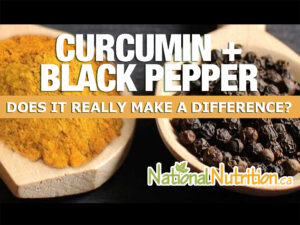
    The supplements you take are only as good as their rate of bioavailability. When you're taking curcumin and want the benefits of its active ingredient, curcumin, it's important to ensure that those benefits are actually reaching your body. The problem is that the curcuminoids found in turmeric could be better absorbed, so you'll need to make some considerations when using turmeric and curcumin and many advise to consider taking piperine (black pepper) with this spice or supplement.

    In this article, we will show you everything you need to do, whether you are using a curcumin supplement or simply cooking with turmeric in your kitchen.

    What's the Difference Between Curcumin and Turmeric?

    Turmeric is the name of the spice, you can find it in the spice section of your local grocery store. Curcumin, on the other hand, is the active ingredient found in turmeric. We will get into both turmeric and curcumin in this article, with tips, like adding black pepper to enhance the absorption of their beneficial compounds. But first, let's talk about why curcumin is so poorly absorbed.

    Curcumin's Bioavailability

    Why is Curcumin Without Piperine Poorly Absorbed?

    One thing has become clear in cultures that have had the most benefit from taking curcumin via turmeric in their diets: the benefits to joint pain and brain health have been a result of low doses of curcumin over a long period of time. However, when curcumin isn't paired with piperine, it's not absorbed by your body as well; therefore, you won't reap all of its health benefits. Researchers have invested in simulations and animal studies to investigate the metabolism of turmeric and curcumin. Here's a breakdown of what's known:

    • Studies have suggested that curcumin and its metabolites (a fancy word for new substances generated through the metabolism of the original substance) tend to accumulate in the digestive tract tissues rather than other areas of the body. However, more research is needed.
    • In another animal study, curcumin was shown to be absorbed at 60 to 66%, regardless of the dose, suggesting that the body won't absorb more curcumin if a higher dose is given.

    Enhance Curcumin Absorption with Piperine

    So what can you do? Researchers have looked at various complex methods of increasing the bioavailability of curcumin, from blocking specific metabolic pathways in the body to changing the molecule. But the most effective way to enhance absorption comes from a culinary technique that you are likely very familiar with, mix curcumin with piperine!

    Curcumin And Piperine

    When you cook with any spice, like cumin, curry powder, or even turmeric, you likely also season what you're cooking with some salt and pepper to enhance flavour. This is exactly the trick to enhancing the absorption of curcumin from turmeric. Black Pepper contains a compound called piperine. Piperine is responsible for that "bite" you feel when you eat something with a lot of black pepper. Interestingly, piperine has been shown to increase the absorption of curcumin by up to 2000%.

    Piperine works to enhance curcumin absorption by blocking the liver's pathways that metabolize it. This is important because, without piperine, curcumin is quickly eliminated by the body.

    What does this mean for you? When you are cooking with turmeric, add some black pepper to enhance absorption. And when you are shopping for a curcumin supplement, look for one that contains piperine to enhance its absorption and activity in your body.

    Curcumin Supplements with Piperine

    Quality curcumin supplements that you will see on store shelves should have two things:

    1. The curcumin should be standardized to 90 to 95% of the formula.
    2. Piperine should be added to enhance absorption.

    Dosing will depend on a few factors, including your health goals. The typical dose is 500 to 1,000 milligrams daily, although your practitioner may recommend a higher dose depending on your needs.

    Other Ways To Enhance Curcumin Absorption

    Piperine isn't the only way to enhance curcumin's absorption. Antioxidants like curcumin are either fat- or water-soluble. Curcumin is fat-soluble, meaning it is more easily absorbed in the presence of fat. Let's use cooking as an example again. When you are cooking with spices, you usually add a fat source to the pan. If you are cooking with turmeric, make sure to add some fat while you are cooking to enhance absorption. When buying a curcumin supplement, you may find that it is encapsulated in healthy fats instead of piperine to enhance absorption.

    Curcumin FAQs

    How is curcumin extracted from turmeric?

    Curcumin is extracted from turmeric using a solvent.

    Why is turmeric good for you?

    Turmeric has health benefits because it contains a compound called curcumin. This compound has been shown to have anti-inflammatory properties, which support many health concerns.

    Who sells curcumin?

    You can find curcumin at a good health food store.

    References

    https://www.ncbi.nlm.nih.gov/pmc/articles/PMC3918523/

    https://www.ncbi.nlm.nih.gov/books/NBK92752/

    https://www.ncbi.nlm.nih.gov/pmc/articles/PMC5000414/ 
    https://www.ncbi.nlm.nih.gov/pmc/articles/PMC6270789/#

  • Curcumin: Health Benefits of This Golden Supplement

    One of the leading health benefits of curcumin is its antioxidant properties that combat free radicals. Free radicals are unstable molecules that cause damage to the body's tissues when they bump into healthy cells. Thus turmeric can be used to stop infections, protect the liver from toxins, fight inflammation and may be helpful in healthy cell growth.

    Key Health Benefits of Curcumin

    Curcumin's Natural Anti-Inflammatory Health Benefits

    The same molecules found in curcumin inhibit inflammation anywhere within the body, thus acting as pain relieving agents, as well. Curcumin has been shown to improve joint mobility and reduce the pain and swelling associated with all forms of arthritis. This activity is equivalent to the effect of some NSAID drugs. 

    Curcumin, Natural Cholesterol Control

    Curcumin also lowers the level of harmful, or LDL, cholesterol and increases the level of helpful, or HDL, cholesterol. It increases circulation and blood flow. All of these properties make curcumin a good choice for individuals with compromised circulation, heart disease and high cholesterol.

    Brain Health Benefits of Curcumin

    Recently, curcumin has been recognized for its anti-amyloid properties. A key feature of Alzheimer's disease is the development of amyloid plaques in the brain. Beta-amyloid is a normally harmless protein which builds up in the brain as we age. It is thought that some sort of genetic defect in these proteins may be involved in the degree of decline in neuronal activity that occurs in individuals suffering from Alzheimer's. Curcumin, due to its anti-amyloid properties is showing significant results in terms of treatment for these patients, improving overall memory.

    Uncovering Curcumin Supplement Varieties: Formats, Forms & Potency

    Curcumin can be used as a spice (turmeric), encapsulated herb, dried herb, tincture or liquid extract. Better quality supplements are standardized which is an assurance that the product contains a certain amount of the more well-known active constituents. Curcumin is found as a component of pain-relieving, anti-inflammatory and cholesterol-lowering formulas. It may also be found in topical creams or gels for pain relief.

    Enhancing Curcumin's Bioavailability - Meriva and Longvida

    Curcumin is a lipophilic or fat-soluble substance. Our ability to effectively absorb curcumin is low. Its ability to reach the bloodstream to have its therapeutic effect has been questioned by those in the health field. Recently, supplement companies have started to change their formulations (liposomal curcumin, curcumin nanoparticles, curcumin phospholipid complexes) all in the name of making the curcumin more readily absorbed, with a significantly higher percentage of curcumin reaching the bloodstream.

    Two raw material suppliers to nutritional supplement manufacturers now produce enhanced curcumin extracts bonded to phospholipid complexes, which improve the absorption and activity of Curcumin dramatically, giving better therapeutic results when used in clinical applications such as arthritis, detoxification, and brain health.

    Final Cautions & Potential Side Effects

    Curcumin contains substances that decrease blood clotting ability therefore those with active bleeding, or individuals who use blood thinners, aspirin or NSAIDs should use caution. For the same reason, stop using curcumin 2 weeks before surgery or dental procedures. Curcumin may alter the effectiveness of some heart and cholesterol medications. Some individuals have found it to irritate the gastrointestinal tract and liver or gallbladder.

  • Devil's Claw: Unlock The Power of Herbs

    Devil’s claw is native to Southern Africa and gets its name from the woody barbed fruit that it bears. It has been used as a tea by indigenous people for digestive and rheumatic complaints.

    Key Health Benefits of Devil's Claw

    Devil’s claw is used for digestive disorders because it stimulates the contraction of the gallbladder and pancreas. Bile, released from the gallbladder, helps the body to digest fats. Pancreatic juices help the body to digest protein and regulate blood sugar. This herb may be useful for stabilizing diabetes and addressing other digestive concerns.

    The most well known use for devil's claw is as an anti-inflammatory and analgesic (pain-relieving) agent. It has been shown to improve joint mobility and reduce the pain and swelling associated with arthritis. This herb is recommended by natural health practitioners for osteoarthritisrheumatoid arthritis, gout, muscle injury, joint injury and other inflammatory conditions.

    Uncovering Devil's Claw Supplement Varieties

    As a supplement, this herb can be used as an encapsulated herb, dried herb, tincture or liquid extract. Better quality supplements are standardized which is an assurance that the product contains devil’s claw and has some active properties. To help with digestion, bitter herbs must be tasted, like when you take in a tincture or tea. Encapsulated herbs are swallowed, thus bypassing the taste buds, and will not stimulate digestion. This nutrient is also found as a component of pain-relieving and anti-inflammatory formulas.

    Final Insights When Considering Herbal Supplements

    Devil’s claw contains substances that decrease your blood clotting ability therefore those with active bleeding, or those who use blood thinners, aspirin or NSAIDs should use caution. For the same reason, stop using this supplement 2 weeks before surgery or dental procedures. Do not use this herb during pregnancy and while nursing. This nutrient may alter the effectiveness of some heart medications and it may irritate the gastrointestinal tract, in some individuals, because it causes the release of stomach acid.

  • Emu Oil - A Healing Oil From The Land Down Under

    The use of emu oil originates from Australia and has been used for centuries by Australian Aboriginal culture, dating back over 40,000 years. This oil is high in Oleic acid, an omega-9 fatty acid. It also contains smaller amounts of omega 6 and omega 3 fatty acids, which makes it a great skin oil when applied topically. However, this oil's health benefits aren't only skin deep, this oil has long been used as a cold and flu remedy, for joint pain and more. 

    Key Health Benefits of Emu Oil

    This oil has been used topically for its medicinal benefits ranging from:

    • Speeding Healing of Burns, Wounds & Bruises
    • Alleviates Minor Aches & Pains, including Joint Pain
    • Protect Skin from the Elements

    When used for internal purposes, it has been shown to:

    • Decrease Cholesterol Levels
    • Promote Healthy Weight Loss
    • Cough Suppressant 
    • Cold & Flu Remedy

    Today, almost all studies focus on the anti-inflammatory and wound-healing properties of emu oil. It appears to have great potential as a treatment for arthritis conditions as well as after injury or surgery to speed healing. There is some evidence to suggest that it works better for acute inflammation, rather than as a remedy for long-standing or chronic problems. It is gaining popularity in the beauty industry, as an all-natural body and hair moisturizer, as well as frequently used in cosmetic properties.

    Shopping For & Using Quality Emu Oil

    Emu oil is recommended both internally and externally as a topical application. If using topically, use 2-3x/day over the affected areas. Currently, there are no established dosage recommendations for internal use; therefore, you'll want to make sure you select a product that's formulated for ingestion and has internal dosing recommendations on the label. 

    Final Cautions & Considerations

    Emu oil is not advised during pregnancy or while breastfeeding. Although rare, some people experience skin irritation or allergic reaction to this oil. It's advised to spot-test before using it all over. 

  • Feverfew Benefits & Uses

    Tanacetum parthenium, also known as Chrysanthemum parthenium and Pyrethrum parthenium, more commonly referred to as feverfew, is a flowering plant in the daisy family, Asteraceae. It may be grown as an ornamental plant, but it has a long history of medicinal benefits. 

    It's been found to be the most effective natural supplement used to treat migraines. Feverfew has been clinically proven in many studies to reduce the frequency and severity of migraines in about 75% of people who use it. Most people who take feverfew get fewer migraines, and when they do get them, they are much less severe.

    Medicinal Properties Found in Feverfew 

    This plant is filled with potent essential oil and flavonoids which contribute to some of feverfews health benefits; however, it's the parthenolide compounds in the plant's leaves that may provide the most benefit. 

    Key Health Benefits of Feverfew

    It's thought that feverfew contains substances, including parthenolide, that cause relaxation of smooth muscle tissue that surrounds arteries of the body. By relaxing the arteries in the brain, the active ingredients in feverfew can reduce the spasms that are the primary cause of migraines.

    The uterus also contains smooth muscle therefore feverfew can also relieve menstrual cramps. Feverfew also acts as an anti-inflammatory, by inhibiting the production of chemicals that cause inflammation, and as a blood thinner, by inhibiting the clotting of platelets. Feverfew is used to treat inflammatory conditions like rheumatoid arthritis and colitis.

    Feverfew Supplement Benefits & Varieties

    Most feverfew supplements are made of encapsulated dried herb, tincture or loose herb. Better quality supplements are standardized which is an assurance that the product contains feverfew and has some active properties. Feverfew may be found in formulas for migraine relief or inflammation.

    Important Considerations & Cautions

    Feverfew is not helpful if it is taken only during acute migraine attacks. It may take several weeks of using feverfew before migraines are relieved and a one-month minimum trial is recommended. Abrupt discontinuation of feverfew may result in rebound headaches, nervousness, insomnia, joint pain or stiffness. These withdrawal symptoms are temporary.

    Potential Side Effects

    Due to feverfew’s blood thinning properties individuals with active bleeding, blood clotting disorders or those who use blood thinners, anti-inflammatories or aspirin-containing products should use caution when taking feverfew. 

    For the same reason, stop using Feverfew 2 weeks before surgery or dental procedures. Feverfew may stimulate menstruation and should not be used in pregnancy. Feverfew is in the same plant family as ragweed therefore individuals with ragweed allergies should not use feverfew.

  • Ginger: Uncovering The Best Ginger Supplement

    Ginger is a popular herb in the kitchen as well as the medicine cabinet. It has a long history of use in foods because it soothes the digestion. The essential oil, gingerol, aids digestion topically by increasing the release of digestive juices and regulating intestinal contractions. Ginger’s topical anti-nausea properties are due to the essential oil, shogaol. The best ginger supplement will be pure, natural and potent. 

    Exploring The Health Benefits of The Best Ginger Supplement Formats

    Ginger has been clinically tested and shown to be as effective as many anti-nausea drugs. The big benefit of using ginger for nausea is that it does not cause drowsiness. It can be used for nausea from motion sickness, pregnancy, and more. Its anti-nausea benefits can be obtained by ingesting ginger supplements through capsules or chews or applied topically as an essential oil. 

    Ginger also has anti-inflammatory properties and can be used for muscle and joint injuries like athletic injuries and arthritis. A great way to reap these benefits is by mixing ginger oil with a carrier oil and applying it directly to the muscle or joint. 

    Historically ginger was also used topically as a wash for wounds and sores because it can prevent infection.

    The Best Ginger Supplement Varieties

    Ginger supplements are found as encapsulated herbs and tablets. Ginger products should be standardized as an assurance that some active ingredients are present. Ginger can be found in combination products for indigestion, motion sickness and inflammation.

    Ginger Roots Health Benefits From A Culinary Perspective

    Because of the active ingredients found in the root, ginger is considered a medicinal food. Chewing on raw ginger or ginger candy is often sufficient to decrease nausea. Ginger tea is also helpful for nausea and indigestion. Dried ground ginger which is used as a spice has less medicinal value because the essential oils are lost in the drying process. 

    Potential Side Effects & Cautions To Consider

    Ginger, when used as a food, has very few side effects. Most side effects and cautions are relevant only when ginger supplements are used. Ginger has blood thinning and gallbladder-stimulating properties. Ginger supplements should be used with caution by individuals on blood thinning medication, including aspirin, and individuals with gallstones. For the same reason, ginger supplements should be discontinued before surgery or dental work.

  • Hesperidin: Uses & Health Benefits

    Hesperidin is one of the major constituents found abundantly in citrus fruits. It is a bioflavonoid that is believed to play a beneficial role in several different body systems. Supplementation with hesperidin has been shown to have many benefits for overall health, let's explore.

    Key Health Benefits of Hesperidin

    Antioxidant Properties For Brain and Liver Health

    This is an antioxidant that can help to protect the body against free radical damage. Free radicals are unstable molecules with an unpaired electron that are extremely reactive, and damage surrounding cell membranes, fats, and fat-soluble vitamins and nutrients. We encounter free radicals through environmental exposures, such as cigarette smoke, air pollution, processed foods, and ultraviolet radiation from the sun (UV rays). 

    The antioxidant properties of hesperidin have been found to especially protect neurons in the body against oxidative damage. Protecting neurons allows this nutrient to help protect the brain cells and to maintain healthy mental functioning. The potent antioxidant ability provided by hesperidin also allows it to protect the liver against damage caused by toxic chemicals and pollutants.

    Circulation and Cardiovascular Health Benefits of Hesperidin

    One study found that people with extreme cold sensitivity can be treated with oral supplementation. It was found that this bioflavonoid promoted dilation of the blood vessels along the exterior of the body, allowing for a better circulation of heat. Another study found that this nutrient promotes the production of nitric oxide (NO), a substance that has been shown to relax the blood vessels. Dilation of the blood vessels can help to reduce blood pressure. When combined with diosmin, hesperidin is commonly used to treat hemorrhoids and leg ulcers. It has been found to reduce the inflammatory response in chronic venous insufficiency.

    Glucosyl Hesperidin – Protecting Against Arteriosclerosis

    A particular sub-type called glucosyl hesperidin has been shown to lower triglyceride levels in people with excessively high levels in their blood. It has also been shown to slightly lower LDL (“bad”) cholesterol in those with imbalanced cholesterol levels. Both of these can help to reduce the risk of developing arteriosclerosis and cardiovascular disease.

    Menopause Benefits of Hesperidin

    Many healthcare practitioners use hesperidin to help with the symptoms of menopause. When combined with vitamin C, this supplement has been shown to help reduce the frequency and severity of hot flashes. It has also been found to have a gentle sedative action, which can help to relieve the mental-emotional symptoms of menopause, particularly anxiety. One study found that using this supplement also reduces the amount of bone density loss during aging, thus potentially helping to prevent osteoporosis.

    Healthy Cell Production

    In recent research, a metabolite of hesperidin called hesperetin has been shown to prevent abnormal cell growth and also to prevent hormone production. This may also be how it reduces menopausal symptoms, although that hasn’t yet been established.

    Hesperidin Supplement Varieties

    Hesperidin is often found in combination with other nutrients for specific functions. It can be found in formulas for detox, circulation, cardiovascular and menopause. It is often combined with vitamin C and diosmin. 

    For the treatment of hemorrhoids, 150mg (with 1350mg of diosmin) twice daily for four days, followed by 100mg of hesperidin (with 900mg of diosmin) twice daily for three days. Maintenance treatment for hemorrhoids is 50mg (with 450mg diosmin) twice daily for 3 months. 

    To treat leg ulcers caused by poor blood circulation, the dose is 100mg of hesperidin (with 900mg diosmin) daily for up to 2 months.

    For other treatment approaches, follow the recommended dosage provided by the manufacturer.

  • Humulus Lupulus (Hops)

    Humulus Lupulus has been used in brewing as a bitter flavouring, preservative and antibiotic for over a thousand years. When it was being harvested by hand, it was noticed that hops pickers were often drowsy. The small amount of volatile oil in Hops is concentrated when the flower is dried and this is what is said to give the herb its sedative effects. Today it is widely valued for its sleep-inducing and calming properties.

    Humulus Lupulus Plant History

    The Hops vines grow only female flower clusters on their hairy stems and are found in Europe, Western Asia and North America. Herbal medicine makes use of the dried female fruiting bodies called strobiles. They have both a spicy aroma and bitter taste, which account for Hop's ability to increase gastric secretions and appetite, making it a useful digestive aid.

    Health Benefits of Humulus Lupulus

    Humulus Lupulus, like many plants, has been used in different areas for slightly different medicinal uses. Native Americans used Hops for insomnia and pain. In Europe, it was traditionally given as a general tonic, to relieve rheumatism and joint pain, cure fever, remove obstructions and as a diuretic. 

    It has also been used to treat jaundice and abdominal discomforts, such as gas, cramping and diarrhea. It can be used to treat infection, as it is known to have anti-microbial properties. 

    Today, the use of Hops is more restricted to its use as an anti-anxiety, relaxant and sedative. It is also often combined with other herbs to treat acute menopausal symptoms, such as hot flashes, insomnia and mood swings. It is said to have mild estrogenic effects.

    Humulus Lupulus Supplement Varieties

    Hops can be used fresh or dried and put in a sachet under one’s pillow to promote a good night’s sleep or made into tea. It is also typically used in tincture (Alcohol extract) form, although can be made into both oil and tablets, as well. 

    As a dried substance, approximately 300-400 mg/day is commonly used. As a liquid extract, 1.5-3 ml/day can be used. 

    Potential Side Effects & Important Considerations

    Hops are considered safe and non-toxic, and compared to other sedatives are said to be very mild. Individuals with peanut, chestnut and banana allergies may also find they are allergic to hops or hops pollen. These individuals should be cautious when consuming this substance. Individuals using hops while also on CNS depressant medication may want to be cautious while driving or operating machinery. It is not recommended in pregnancy and lactation.

    Parts Used – Female flowers (Strobiles)

  • MSM Supplement Uses & Benefits

    Methylsulfonylmethane (MSM) is a derivative of DMSO and is safer to use because it does not accumulate as rapidly in the body. It also does not have an offensive “rotten egg” odour. As a source of organic sulphur, an MSM supplement helps to build protein, connective tissue, hormones and enzymes. MSM supplements can be helpful for those individuals who have inflammatory conditions like arthritis, lupus and interstitial cystitis, suffer from seasonal allergies, or have pain due to other health conditions.

    Key Health Benefits of A MSM Supplement

    Analgesic – Pain Relief

    The pain-relieving activity of MSM is believed to be fourfold. Firstly it can directly reduce the transmission of pain signals along nerve fibers. Secondly, it increases blood flow to an inflamed area. Thirdly it reduces muscle spasms. And lastly, MSM stops the release of inflammatory compounds. All of these activities help MSM to reduce pain, particularlywhen it is due to inflammation.

    Anti-inflammatory - Arthritis

    In addition to its ability to directly and indirectly reduce pain in arthritic conditions, MSM can also be used to help treat those suffering from Osteoarthritis. Supplementation for 12 weeks (1123mg taken 3x daily) may improve pain and physical performance in osteoarthritis. Often, MSM will be combined with other joint support nutrients such as Chondroitin, Glucosamine and Collagen Type II to maximize the benefit to Joint Health. Interestingly, many of these supplements are beneficial for moderate to severe joint pain, whereas MSM is most beneficial for mild to moderate joint pains.

    Detoxification

    Supplementation of MSM can also help the body to detoxify by supporting the cleansing function of the liver. MSM is the natural breakdown product of DMSO in the body, which is a commonly used agent for the removal of mercury from the human body. Because of this, it is speculated that taking MSM may in itself help to clear mercury from the body. Interestingly, recent research has focused on the use of MSM in the prevention and treatment of some cancers, such as breast, colon and lung. Further research will be required to conclude these uses.

    Topical Use

    Many companies use MSM in topical preparations for arthritis pain relief. Interestingly, from this use, topical MSM has spread to use in other conditions such as Rosacea, Eczema, and even Acne. Initial research on its use in rosacea and eczema is promising, although further research is necessary.

    Finding Quality MSM Supplement Varieties

    Natural MSM can be found in raw dark green vegetables and raw red or yellow fruits and vegetables as well. It can also be found in fish, meat and poultry, as well as eggs and milk. MSM can be purchased as capsules or powder. Another name for MSM is DMSO2. It is often combined with other anti-inflammatory agents in formulas for musculoskeletal health, joint health, allergies and pain relief. MSM is often added to creams and ointments for the healing of skin conditions and relief of joint pain. Moisture and heat destroy the MSM content of foods and supplements. Taking vitamin C with your MSM will help to improve its effect. The therapeutic effects of MSM may take 3 weeks or longer to appear.

  • Myrrh

    Myrrh is an ancient incense and has long been used as a deodorizer and disinfectant. As an essential oil, it has a long history dating back to being one of the gifts brought to Jesus by the Wisemen. As an oil, it is known for its grounding properties and for its skin benefits like alleviating inflammation and supporting symptoms associated with dermatitis. Let's further explore how myrrh is used. 

    Key Advantages of Myrrh

    As mentioned, an oil, myrrh has great properties that benefit the skin and fight inflammation when diluted and applied topically. As an herb, it is found in dental products because it can kill microbes in the mouth while healing damaged mouth tissue.

    When the vapour of myrrh oil is inhaled, it can cleanse the respiratory tract, minimize mucus secretions and speed tissue healing. It is recommended by natural health practitioners for a variety of conditions including:

    Shopping For Quality Myrrh Oil

    Myrrh can be purchased as a resin, resinous powder or tincture. It can be found in dental powders. Keep in mind that myrrh does not dissolve in water. Oils (olive, almond, etc.) can be used to make a diluted product. It is usually used on the skin, as an ingredient in mouthwash or as an inhalation. It is never used for internal consumption due to its strength and the risk of inflaming the digestive tract.

    Potential Side Effects & Insights

    It is believed to increase body temperature and should not be used if you have a fever or acute inflammation. It may be abortifacient by inducing menstrual bleeding.

  • Parsley

    Parsley is known as a popular herb and garnish that's been used for centuries. Firstly, it has a pleasant taste and aroma. Secondly, the oils contained in parsley are antibacterial and antifungal, which was important in the days prior to the advent of refrigeration. Thirdly, when chewed after a meal, parsley sprigs decrease bad breath. These realizations are the basis for the popular use of parsley today as a medicinal agent.

    Key Uses & Medicinal Benefits of Parsley

    Parsley is recommended for fungal infections (like thrush in adults), bacterial infections (especially in the digestive, urinary and respiratory tract) and bad breath. Additionally, parsley contains many different nutrients including chlorophyll (an internal deodorizer), vitamin C and vitamin K.

    Tips For Using Parsley For Good Health

    Parsley can be used as raw leaves, dried herbs, encapsulated oil or liquid oil. Fresh parsley can be added to dishes or chewed after a meal. The oil contains volatile compounds that can be toxic in high doses and should be used cautiously. A popular way to use parsley oil is as a gargle. Parsley may be found in formulas for urinary tract or respiratory tract health.

    Cautions & Considerations

    Parsley, when used as a food, has very few side effects. Most side effects and cautions are relevant only when parsley supplements are used. Parsley contains volatile oils (apiole and myristicin) that are toxic in high doses. Parsley supplements should be used with caution by those with impaired liver and kidney function, individuals taking MAO inhibitors or warfarin and individuals with blood disorders.

  • Sage

    Sage is a shrub that comes from the Mediterranean region. It's now well known as a culinary herb; raw, cooked or dried, and is used as a medicinal tea. It's commercially grown in the US, Canada, Argentina, Germany and France, but wild sage grows almost everywhere in the Greece.

    If you've ever traveled the Greek Islands you recognize the aroma of this herb baking in the hot sun and the beautiful subtle flavour of wild sage which infuses all Greek honey.

    What Is Sage?

    Sage is a small perennial evergreen which has been used medicinally by ancient Greeks, Romans and Egyptians for thousands of years. Egyptians used it as a fertility aid, while Greeks used it for its ability to stop bleeding and clean wounds, ulcers and snakebites. This herb was a sacred for Romans, harvested for solemn ceremony.

    Health Benefits of Sage

    Congestion Relief

    Research has shown that sage possesses astringent properties. As such, it is now widely used to treat hemorrhoids, blood or phlegm in the urine, excessive breast milk or fluid in the abdomen (ascites). This is because as an astringent, this herb dries excess or accumulated mucus and fluid. It is commonly used for colds, nasal congestion and fever to help dry excess mucus your body produces to expel infection.

    Anti-Viral & Anti-Inflammatory Support

    Research has also shown Sage fights infection by killing bacteria, fungus and viruses. Due to its antibacterial, antifungal and antiviral effects, it can compliment and support the immune system when dealing with any infection. Research using this herb for the treatment of Herpes has shown reduction in size, number, severity and time between outbreaks of both genital and oral cold sores. Studies using sage have also demonstrated a reduction in pain associated with sore throat. This is because this herb also acts as a natural anti-inflammatory.

    Cognitive Health

    Sage has been shown to have positive effects on memory and research is showing it has promise in the treatment of mild to moderate Alzheimer's disease.

    Menopause Support

    In North America, sage is taken as a dietary supplement to treat hot flashes, night sweats, and estrogen loss, as well as a tonic for fighting fatigue and nervous exhaustion, thus making it a common supplement for women suffering menopausal symptoms.

    Sage tea also has an effect on mood. This is helpful in many conditions, especially menopause when altered hormones can affect mood. This also applies to teen hormonal changes and hormonal conditions like PMS. Sage tea also has an effect on boosting your mental alertness and helps reduce anxiety.

    Metabolism Booster

    Some new research suggests this tea may even boost your metabolism which helps with weight loss. For best results drink this tea within an hour of waking either on an empty stomach or with your breakfast.

    Using Sage Supplements

    The typical dose for dried sage leaf is 4-6 grams/day in capsule form. As a liquid extract (1:2) 2-5 ml/day is recommended. As a tea, you can mix it with green tea for added flavour and health benefits. Sage tea can be drunk as often as you like – either hot or iced. There are no safety issues or contraindications with the use of this herb. But due to a lack of research it is not recommended in pregnancy or lactation (unless it is used during weaning period to dry up milk supply).

  • Serrapeptase: Nature's Powerful Enzyme

    History of Serrapeptase

    Serrapeptase is an enzyme that was initially discovered in silkworms, where it helps digest their cocoons, but was later derived from a bacteria called Serratia marcescens. Historically, it was used in traditional Asian medicine, particularly in China and Japan, to help reduce inflammation and aid in wound healing. It was valued for promoting natural healing processes. Over time, serrapeptase gained recognition beyond Asia, especially in Europe, where it became a popular natural anti-inflammatory. Traditionally, herbal practitioners in various cultures relied on natural enzymes like serrapeptase to help reduce swelling, clear mucus, and support recovery after injuries or surgeries. Today, it's valued as a natural supplement and you may hear it be referred to as, serratiopeptidase, serralysin, serratiapeptase, and SPEP, or SER for short.

    SER is in the peptidase enzyme family, meaning that it breaks up protein. There are a large number of health benefits attributed to Serrapeptase supplementation. In this article we will explore these benefits in detail.

    Health Benefits of Serrapeptase

    There are a number of health products out there claiming that SER can do just about anything in the body, including dissolving arterial plaque, blood clots, cysts, and scar tissue, while eliminating pain and inflammation.

    Pain and Swelling

    There are several dental studies examining SER treatment for the prevention of pain and swelling after dental surgery. When examining these studies together, it would appear that SER has good potential as an anti-inflammatory and pain reducer, although further research is needed to say for sure.

    Thinning Mucous

    There are also a number of studies examining the ability of SER to thin mucous secretions in both the nose and the rest of the respiratory tract. Each of these studies showed a positive result with the supplementation of SER.

    Prevention of Bacterial Adhesion

    The most current research has examined SER's potential as a protective agent on hospital surfaces for preventing colonization by certain bacteria. These studies have shown that it is successful in preventing the adhesion of a number of different bacteria.

    Taking Serrapeptase Supplements

    SER can be found as an individual supplement from a number of different manufacturers. The dosage varies due to the lack of research, although most studies used around 20-30mg a day. Because it is an enzyme, there is no perfect standardization (for more information on enzymes and standardization, please click here). In general, there is approximately 100IU/mg SER, thus a dose of 30mg is approximately 3,000IU per day. This is the only dosage with research supporting its use. Most manufacturers supply dosages that are much higher than this, often 10-40 times as much. Because of the lack of standardization in enzyme preparations, it is extremely difficult to compare the=m, or to recommend dosage. In general, if you would like to take these higher dosages, follow the manufacturer's recommended dosage. Do NOT break or open capsules to divide doses (see below).

    Important Information

    There are a few cases of allergic reaction with supplementation of SER; if you develop any difficulty breathing or skin rashes, discontinue use immediately. Do not use SER if you currently have, or have recently suffered from, pneumonia as there have been documented cases of relapse after apparent remission with SER use. There have been cases where oral supplementation of SER has resulted in damage to the throat due to improper usage. Do not break or open capsules prior to ingesting.

  • Turmeric

    You are probably familiar with curcumin as the spice that gives curried dishes their characteristic colour and flavour. Turmeric is the active ingredient in curcumin and contains antioxidant chemicals, called curcuminoids, for neutralizing free radicals. Free radicals are unstable molecules that cause damage to the body’s tissues when they bump into healthy cells.

    Key Health Benefits of Turmeric

    Turmeric can be used to stop infections, protect the liver from toxins and may be useful for unhealthy cells. The same molecules inhibit inflammation, thus acting as pain relieving agents. It has been shown to improve joint mobility and reduce the pain and swelling associated with all forms of arthritis. This activity is equivalent to the effect of some NSAID drugs.

    This nutrient lowers the level of harmful, or LDL, cholesterol and increases the level of helpful, or HDL, cholesterol. It also increases circulation and blood flow. All of these properties make turmeric a good choice for individuals with compromised circulation, heart disease and high cholesterol.

    Shopping For Turmeric & Supplements

    Turmeric can be used as a spice, encapsulated herb, dried herb, tincture or liquid extract. Better quality supplements are standardized which is an assurance that the product contains turmeric and has some active properties. It is often found as a component of pain relieving, anti-inflammatory and cholesterol lowering formulas. This nutrient may be found in topical creams or gels for pain relief, and supplements are sometimes labelled as curcumin.

    Important Information

    Turmeric contains substances that decrease your blood clotting ability; therefore, those with active bleeding, or those who use blood thinners, aspirin or NSAIDs should use caution.

    For the same reason, stop using turmeric 2 weeks prior to surgery or dental procedures. It may alter the effectiveness of some heart and cholesterol medications and may irritate the gastrointestinal tract and liver or gallbladder, in some individuals, because it causes the release of digestive juices.

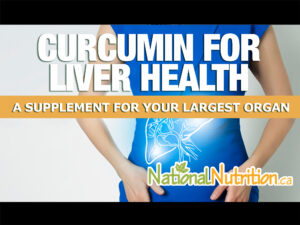
  • Turmeric Capsules for Liver Health

    Your liver is the largest internal organ inside your body, and it's responsible for many important functions. It converts food into nutrients used by the rest of your body, metabolizes drugs and other substances, and helps remove toxins from the blood by filtering them through bile. Since it does so much to maintain your health, show it some TLC with turmeric capsules.

    While most people link milk thistle or seasonal detoxes with liver support, another excellent supplement for your liver is curcumin. Keep reading to uncover more about curcumin and how turmeric capsules can support a healthy liver.

    Liver Health & Why It's Important

    Your liver is the largest internal organ in your body, performing over 500 functions. Here are some of its most essential duties:

    • Toxins: Each and every day, your liver must act as a filter for toxins that enter your body, such as environmental toxins, medications, and alcohol. Enzymes break down these toxins in your liver so they can be excreted from the body. Your liver also filters all of the blood in your body.
    • Bile: Your liver produces bile, which is essentially a digestive juice that breaks down fats and helps you absorb fat-soluble vitamins.
    • Vitamins: Your liver converts beta-carotene into vitamin A.
    • Storage: Your liver stores energy in the form of glycogen.
    • Hormones: Your liver breaks down your sex hormones (like estrogen and testosterone) and adrenaline and insulin (for blood sugar control) when they are no longer needed. It also converts your thyroid hormone into its active form.
    • Cholesterol: The liver also regulates cholesterol production for healthy cell membranes.

    Ways to Support Your Liver: Turmeric Capsules

    Despite all its jobs, your liver can quickly become damaged due to infection, medications and recreational drugs, alcohol consumption, stress, and environmental toxins. As we age, it is also important to consider the overall "body burden" of toxins, so they don't bog down the function of the rest of our body.

    Although the liver is the only organ capable of regenerating itself, it can benefit from a little TLC from key nutrients, including turmeric and turmeric capsules.

    How Turmeric Capsules Support a Healthy Liver

    Curcumin is a powerful antioxidant that can help reduce oxidative stress and improve liver function. Here are some of the ways that turmeric capsules can help your liver:

    • Antioxidant benefits: oxidative stress refers to the damage caused by free radicals, substances that are produced as a normal part of the body's metabolism but can wreak havoc on your cells when they're not kept in check. Antioxidants like those found in turmeric capsules help keep these harmful chemicals under control by donating electrons to neutralize the harmful molecules before they do any damage.
    • Anti-inflammatory benefits: Curcumin has also been shown to have anti-inflammatory properties, which may explain how it protects against chronic inflammation. Inflammation is linked with many different diseases, including liver disease, but supplementing with turmeric capsules appears to be able to reduce it without side effects.

    Turmeric Capsules and Dosing

    Although curcumin is the active ingredient in turmeric, it is advisable to use a quality, standardized curcumin supplement in addition to using turmeric as a spice in your kitchen.

    Why? Curcumin is not bioavailable on its own. Research has shown that the body does not absorb curcumin well when taken orally in a turmeric capsule that's not blended with piperine.

    Nowadays, some supplement manufacturers make liposomal curcumin supplements, which are better absorbed than standard turmeric capsules because curcumin is fat-soluble.

    Look for a curcumin supplement standardized to 95% curcuminoids for best results, and take 500 to 1000 mg daily. Since curcumin is fat-soluble, it is best to take turmeric capsules with meals containing a source of fat.

    Cautions for Turmeric Capsules

    People with the following conditions should use caution when using turmeric capsules as a supplement:

    • Gastrointestinal disorders
    • Biliary obstruction
    • Active bleeding

    Additionally, if you are taking any of the following medications, do not use turmeric capsules or curcumin supplements at the same time:

    • Heart medication
    • Cholesterol medication 
    • Blood thinners
    • Aspirin 
    • Nonsteroidal anti-inflammatory drugs (NSAIDs) 

    Because of its blood-thinning properties, stop using turmeric capsules or liquids 2 weeks prior to surgery or dental procedures.

    Other Tips for a Healthy Liver

    As a way to ensure that your liver remains healthy, try incorporating the following tips into your daily life:

    • Eat a healthy diet for your liver: This includes lots of colourful veggies and fruits, which contain phytonutrients, fiber, and nutrients that help your liver function at its best.
    • Follow a healthy lifestyle that includes exercise: Exercise helps increase liver circulation and can reduce stress.
    • Targeted support for your liver: Once a year, try a liver cleanse to release stored toxins. And as you age, particularly if you take prescription medications or drink alcohol, add some liver-supportive herbs and nutrients to your routine.

    Curcumin FAQs

    What is Curcumin?

    The main compound of the turmeric spice. It's most famous for its anti-inflammatory effects but has other benefits such as reducing joint pain and supporting brain health.

    How Does Curcumin Work?

    The main way that curcumin helps with inflammation is by blocking pro-inflammatory enzymes.

    Can Curcumin be Taken With Other Supplements?

    Yes! Curcumin can generally be taken with most other supplements. 

    References

    https://www.ncbi.nlm.nih.gov/pmc/articles/PMC5000414/

    https://pubmed.ncbi.nlm.nih.gov/16413584/

    https://ncbi.nlm.nih.gov/pmc/articles/PMC7694612/

  • Turmeric for Inflammation

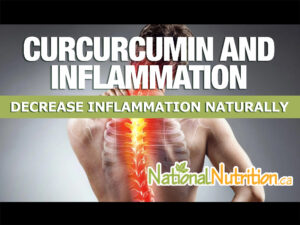
    Inflammation happens, but turmeric can help! Even if you eat well, stay active, and take care of ourselves, inflammation can sometimes creep in. Typically, when we think of inflammation, we think of joint pain due to arthritis. But inflammation can also manifest as joint pain, headaches, a skin rash, or a minor skin breakout. Thankfully there are natural ways to help with this, cue turmeric's anti-inflammatory properties.

    One of the best-known supplements to help manage inflammation is curcumin. Research has found that curcumin may help decrease inflammation by inhibiting pro-inflammatory enzymes and increasing levels of anti-inflammatory compounds.

    In this article, we'll cover what inflammation is and how curcumin, the active ingredient in turmeric, can help to tamper down the inflammatory response. Ready to learn? Let's go!

    What is Inflammation?

    We often think of inflammation as a negative reaction our body has, but inflammation isn't always bad.

    Inflammation is the body's response to injury or irritation. It helps heal wounds, clear infections, and remove damaged cells from the body. Inflammation occurs when white blood cells rush to an affected area to repair it and fight off infection. These cells release chemicals that cause nearby blood vessels to become larger and more permeable to bring more nutrients into the damaged tissue, a process called vasodilation.

    Inflammation also causes pain and swelling because it stimulates nerve endings in your skin (called nociceptors). This means that even minor injuries can trigger inflammation, increasing the sensitivity of these nerves. That's why it's important to have turmeric on hand, a natural anti-inflammatory.

    Inflammation And How Turmeric Can Helps

    Curcumin is a natural antioxidant that contains anti-inflammatory properties. It is derived from the root of turmeric and has been used in Ayurvedic medicine for centuries to treat various health conditions, including inflammation.

    Curcumin has been shown to reduce symptoms associated with arthritis and other inflammatory conditions such as Crohn's disease, psoriasis, and ulcerative colitis. Here's a summary:

    • Osteoarthritis is a type of joint pain related to aging and the wearing down of cartilage in your joints. It's especially common in the knees, hips, and hands. Curcumin from Turmeric has been shown to decrease inflammation and pain and swelling associated with osteoarthritis. However, it is not a cure for arthritis. Instead, curcumin works with your body's natural processes to ease the discomfort associated with arthritis.
    • Rheumatoid arthritis (RA) is an autoimmune disease that affects joints, especially in the hands and feet. Turmeric has long been used to treat arthritis, and studies have shown that curcumin can help reduce inflammation associated with rheumatoid arthritis.
    • Ulcerative colitis is an inflammatory bowel disease (IBD) that causes ulcers in your colon, rectum, and/or stomach lining. Turmeric has been shown to help with symptoms associated with ulcerative colitis, such as abdominal pain and diarrhea. Additionally, supplementing with curcumin was associated with a lower disease relapse rate.

    How does it do this? Turmeric helps reduce inflammation by inhibiting the production of pro-inflammatory molecules called cytokines, growth factors, and enzymes like COX-2. COX2 produces chemicals called prostaglandins that cause pain and swelling when there's an injury or infection. By inhibiting COX2 activity, curcumin reduces inflammation at its source.

    In addition to its anti-inflammatory properties, curcumin has antioxidant properties that can help protect against oxidative stress caused by free radicals or reactive oxygen species (ROS).

    Plus, studies have found that turmeric may be as effective as NSAIDs at treating joint pain and stiffness but with fewer side effects. This is also great news for anyone who is sensitive to this class of drugs.

    Supplementing With Turmeric For Inflammation

    Curcumin supplements can be taken by anyone who has an inflammatory condition. Additionally, turmeric is a great supplement to have on hand for other inflammation issues, such as:

    • Post-workout
    • To support headaches and muscle aches
    • To keep on hand for injuries

    It’s important to note that while curcumin is naturally occurring in turmeric, supplement forms are not always standardized. Some brands may contain more bioavailable forms of curcumin than others. Ideally, curcumin supplements should be standardized to 95% curcumin.

    People with gastrointestinal disorders, biliary obstruction, or active bleeding should use caution when taking turmeric. Do not use turmeric and heart medications, cholesterol medications, blood thinners, aspirin, or nonsteroidal anti-inflammatory drugs (NSAIDs) simultaneously. Stop using turmeric two weeks before surgery or dental procedures.

    In conclusion, inflammation is a normal response to injury or irritation, but it can become a problem when it becomes chronic or prolonged. Curcumin is a natural antioxidant with anti-inflammatory properties, these properties are what make turmeric great for reducing inflammation in the body. This means that if you have arthritis or other inflammatory conditions, curcumin may help relieve joint pain and stiffness while reducing the side effects associated with traditional medications like NSAIDs (nonsteroidal anti-inflammatory drugs).

    Curcumin FAQs

    Where Can I Buy Curcumin?

    You can shop our top curcumin picks here.

    Will Curcumin Lower Blood Pressure?

    Yes, curcumin has been shown to lower blood pressure and should be used with caution if you take medication to lower blood pressure.

    Is Curcumin Gluten-Free?

    Curcumin is gluten-free.

    Can I Take Turmeric With Ibuprofen for Inflammation or in General?

    Yes, turmeric can be taken with ibuprofen or other pain relievers without adverse effects.

    References

    https://pubmed.ncbi.nlm.nih.gov/25337545/

    https://pubmed.ncbi.nlm.nih.gov/22407780/

    https://pubmed.ncbi.nlm.nih.gov/3546166/

    https://pubmed.ncbi.nlm.nih.gov/16413584/

  • Yucca

    Yucca is a hardy desert plant that has been used for centuries in traditional herbal medicine and Indigenous healing practices. Known for its naturally occurring saponins and antioxidant compounds, this herb has a long history of use to support joint health, digestion, and overall well-being. Today, these supplements are commonly included in herbal formulas designed to support inflammation balance and healthy digestion.

    What is Yucca

    Yucca refers to several species of plants in the Yucca genus, most commonly Yucca schidigera and filaments. These plants are native to the arid regions of North and Central America, particularly the southwestern United States and Mexico. 

    These plants are recognizable for their tall flower stalks, thick woody stems, and long, sword-shaped leaves. The root and bark of the plant are most commonly used for medicinal purposes. 

    Historically, Indigenous peoples of North America used yucca root for many applications like digestive support, joint health, and skin care. In addition to its medicinal uses, this herb was also used as a natural soap due to its high concentration of saponins, which are compounds that create a natural foaming effect when mixed with water. 

    Today, yucca is used in herbal supplements to support many ailments. 

    Active Compounds Found in Yucca

    The potential health benefits of yucca are attributed to several naturally occurring plant compounds, including:

    • Saponins - plant compounds that may support healthy inflammation balance and digestion
    • Polyphenols - antioxidant compounds that help protect cells from oxidative stress
    • Resveratrol-like compounds - antioxidants that may support overall wellness
    • Fibre and plant nutrients - that support digestive health

    These compounds contribute to yucca's traditional use as a natural anti-inflammatory and digestive-support herb. 

    Health Benefits of Yucca

    Joint Health Support

    One of the most well-known traditional uses of yucca is supporting joint comfort and mobility. The plant's naturally occurring saponins and antioxidant compounds may help support a healthy inflammatory response in the body. 

    For this reason, this herb is sometimes included in supplements designed for individuals experiencing joint stiffness or discomfort. 

    May Help Reduce Inflammation

    Research suggests that compounds in yucca may help reduce oxidative stress and support the body's natural inflammatory balance. Antioxidants such as polyphenols may help protect cells from damage caused by free radicals. 

    Supporting a healthy inflammatory response may contribute to overall wellness and joint health. 

    Supports Digestive Health

    Historically, yucca root has been used to support digestion. The saponins found in this herb may help promote healthy digestion and nutrient absorption. 

    This herb is sometimes included in digestive support formulas to help maintain digestive comfort and gut health. 

    May Support Cholesterol Balance

    Some studies suggest that the saponins in this herb may help support healthy cholesterol levels by reducing the absorption of cholesterol in the digestive tract. This effect may contribute to improved cardiovascular health when combined with a healthy diet and lifestyle. 

    Provides Antioxidant Support

    The polyphenols present in this herb provide antioxidant activity that helps protect the body from oxidative stress. Antioxidants play a crucial role in maintaining cellular health and supporting overall well-being.

    Yucca Supplements

    Today, these supplements are available in several forms, including:

    • Capsules or tablets containing powdered yucca root
    • Liquid extracts or tinctures
    • Herbal formulas that combine this herb with other joint-support herbs
    • Powdered yucca root

    When choosing these supplements, it is best to select products from reputable manufacturers that clearly list the botanical species, such as Yucca schidigera. Standardized extracts may help ensure consistent potency and quality. 

    Important Information

    Although this herb has a long history of traditional use, it should still be used responsibly.

    Important safety considerations include:

    • Large amounts of yucca may cause digestive irritation or stomach upset in some people.
    • Because it contains active plant compounds, individuals taking medications should consult a healthcare professional before use. 
    • If you are pregnant or breastfeeding, speak with your healthcare provider before using these supplements. 
    • Follow the recommended dosing and guidelines on the product label.

25 Item(s)

First name is required!
Last name is required!
First name is not valid!
Last name is not valid!
Please enter a valid email address.
Email address is required!
This email is already registered!
Password is required!
Enter a valid password!
Please enter 6 or more characters!
Please enter 16 or less characters!
Please ensure your passwords match.
Terms and Conditions are required!
Incorrect FormKey!
Incorrect Email or Password!
reCAPTCHA is mandatory. Click check box beside I am not a robot
Invalid login/register data, Kindly contact customer service agent.