

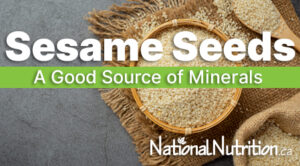
Sesame seeds are among humanity's oldest oilseed crops, domesticated over 5,000 years ago. Revered for many years, these tiny seeds are a nutritional powerhouse, packed with healthy fats, protein, fibre, vitamins, and minerals. The oil extracted from them is a cornerstone of Asian cuisine, offering a rich, nutty flavour and a host of culinary uses.
Beyond the kitchen, these seeds have cultural significance in many traditions, symbolizing luck and prosperity. Today, they remain a versatile ingredient in global diets, supporting heart health, bone strength, and overall well-being.
What Are Sesame Seeds?
Sesame seeds are the tiny seeds we often see on hamburger buns. Interestingly, McDonald's purchases approximately 75% of Mexico's sesame seed crops to use on their sesame buns, which are eaten worldwide. Numerous varieties of sesame seeds exist, varying in size and colour, from tan to black; the off-white colour is the most common variety.
Even though these seeds are small, they are a powerhouse of nutrition. They have one of the highest oil contents of any seed, with some varieties containing up to 50% oil, compared to soybeans, which contain only 20% oil content. Sesame oil is high in vitamin E, a natural antioxidant that is important for heart health. Sesame seeds are also high in protein, and are 25% protein by weight. While they are a good source of protein and fibre, they are also rich in essential minerals, like copper, calcium, magnesium, manganese, iron, selenium and zinc.
Ways Sesame Seeds Support Your Health
A well-rounded, healthy diet will include sesame seeds because they are incredibly nutrient-dense. They are rich in vitamin E, protecting against heart disease and aging. Vitamin E in particular is a powerful antioxidant that lowers cholesterol, protects against cardiovascular disease, prevents cataracts and Alzheimer's disease. These seeds are rich in minerals that build and strengthen bones, promotes healthy thyroid function, boosts immunity, revitalize skin and is a good source of iron.
How Sesame Works in The Body
Sesame seeds can be considered a superfood because they are high in the nutrients our bodies need to maintain a high level of health. They are high in protein and fibre, which help regulate blood sugar and support weight loss. They are a natural source of fat-soluble antioxidants like vitamin E. Most importantly, they are high in minerals, which support strong bones, healthy hormones and increase immunity. They are a natural source of copper, which is important to balance zinc supplementation. Also, because these seeds are a good source of iron, eating them is important for those suffering from iron deficiency anemia.
Adding Sesame Seeds To Your Diet
You can simply start adding sesame seeds to the foods you're already eating. Sprinkle them on salads, oatmeal, roasted or steamed veggies, stir fries or wraps. They'll add a little nutty crunch to your meal. They are really tasty sprinkled on steamed veggies like broccoli, green beans or asparagus with a squeeze of lemon. Sprinkling them on as a garnish gives your meal a pleasing, more finished look too. Tahini is a sesame seed paste and is the secret ingredient in hummus and many vegetarian dishes. Tahini can also be used as a spread or a dip.








