A-Z nutritional benefits Articles

  • Alfalfa: An Herb For Detoxification

    Alfalfa is a root that can grow over 100 feet into the earth. Its deep roots allow it to concentrate many different types of vitamins and minerals from the soil. It is used medicinally for its health benefits as general tonic due to its reputation as a balanced source of vitamins and minerals.

    Health Benefits of Alfalfa

    It has been shown to help arthritis pain and have a positive effect on cholesterol by decreasing cholesterol and inhibiting intestinal resorption to reduce atherosclerotic build-up in arteries. Alfalfa contains a significant amount of vitamin K and other chemicals that thin the blood. The isoflavones in alfalfa are similar to those that are found in soy and red clover. These substances have proven useful in the treatment of menopause and menstrual discomforts. The chlorophyll, green pigment, in alfalfa offers health benefits that aid the healing of intestinal ulcers, hemorrhoids, bleeding gums, burns and infections. Chlorophyll induces detoxification of the body and decreases halitosis and body odour.

    Alfalfa Supplement Varieties

    Alfalfa can be used as raw sprouts, seeds, dried herb or liquid extract. The raw herb can be found as a powder or compressed into tablets. Fresh alfalfa should be well washed and checked for molds before being consumed. The liquid extract contains a significant amount of chlorophyll.

    Cautions, Side Effects & Contraindications

    While alfalfa offers plenty of health benefits, the use of alfalfa is contraindicated for those with lupus. There are possible interactions between alfalfa and blood thinners, hormone replacement therapy and oral contraceptives. Alfalfa tea has been historically used as a nutritious tonic in pregnancy but one should exercise caution because of the hormonal properties of alfalfa.

  • Atlantic Herring Roe Extract

    There is still little information on Wild Atlantic Herring Roe, but the information we do have, is good. Sementis, the trade/brand name for Atlantic Herring roe extract, contains large amounts of marine DNA. It is a powerful antioxidant that has several healing properties for both emotional and physical tiredness.

    Top Known Health Benefits of Atlantic Herring Roe Extract

    In particular, it has proven really effective in children (or adults for that matter) suffering from Attention Deficit Disorders (ADD) and Attention Deficit Hyperactivity Disorders (ADHA). Which are terms that are used to describe patterns of behaviour such as inattentive, overly impulsive or in the terms of ADHA, hyperactive.

    Recently, the product LTO3 which contains Atlantic Herring roe extract has gained in popularity for its mental health benefits. That's because it contains three key ingredients; L-Theanine (for reduction of stress and anxiety, and increased concentration), Scullcap (for nervousness, agitation and insomnia) and of course, Sementis, which is high in Omega-3/6. Sementis, or Atlantic Herring roe extract, contains 21-31% of marine DNA and has other nutrients, including vitamin C, zinc and selenium. It is said to be good for reducing risks associated with health disorders, like cancers, cardiovascular, inflammatory and immune system diseases. Why have marine DNA? It supports healthy cell regeneration.

    Long Chain Vs Short Chain Omega 3 Fatty Acids

    Herring, and herring roe are long sought after not just for their Omega-3 fatty acids, but for their long-chain Omega 3 fatty acids, which are great for brain development in babies and children, among others things you can read about here. Why are long chain Omega-3's better for your brain health? Because they are higher in DHA and EPA levels, and the brain requires the largest amount of Omega-3 fatty acids in the whole body. Seeing as they're not produced in the body, they have to come from another source. In fact, the brain is nearly 60% fat by weight, and a large percentage of this is DHA. Omega 3 fatty acids have also been shown to have an affinity for the central nervous system, helping to treat and prevent cognitive decline, protect memory, treat depression, bipolar disorder, ADD and schizophrenia. DHA is associated with improved brain function, while EPA is associated with mood balancing.

    Where To Buy Quality Atlantic Herring Roe Extract

    You can find these supplements at local or online health food stores. Make sure you purchase a reputable brand that doesn't add fillers or unnecessary ingredients to their formulas. You can find quality Atlantic herring roe supplements at NationalNutrition.ca.

  • Broccoli Supplement Varieties & Uses

    Broccoli is one of our most powerful vegetables containing hundreds of super-nutrients that support overall health. Its Botanical name is Brassica and it is classified as a food and is part of the family of vegetables known as the cruciferous family. Cruciferous veggies include broccoli, cauliflower, kale, Brussel sprouts, bok choy, collards, kohlrabi, mustard greens, watercress, turnip, radish and cabbage. The cruciferous family of veggies contain a high level of chemicals called glucosinolates. Now conveniently available in supplement form you can choose from a wide variety of powerful formats.

    Medicinal Properties of Broccoli Extract

    One of its key active ingredients is an enzyme called mirosinase found in broccoli seed and sprout powder or extract. Myrosinase is an enzyme which helps convert glucosinolate into two important compounds – sulforaphane (the bioactive plant chemical in Broccoli) and erucin. Myrosinase can be destroyed by over-processing and with high heat. Sulforaphane is an isothiocyanate thought to stimulate powerful enzymes in the body. Studies show that sulforaphane has anti-bacterial properties. Broccoli sprouts contain 20-50 times the concentration of sulforaphane than the broccoli vegetable. 2000 mcg of sulforaphane is the equivalent of eating one pound of fresh broccoli.

    Broccoli is also high in nutrients like Potassium, Vitamin CproteinCalciumseleniumvitamin Achlorophyll and fibre for overall health.

    Key Health Benefits of Broccoli Supplements

    Historically known for its antioxidant properties we can now find broccoli's powerful heath properties in many products.

    Arthritis 

    The sulfur compounds found in Sulforaphane block a destructive enzyme that damages cartilage thereby protecting cartilage from chronic inflammation and injury.

    Unhealthy Cell Growth

    Sulforaphane protects cells against free radicals which can mutate cells. It normalizes DNA methylation which protects the expression of healthy genes. One of these genes is called Gene p53. Occasionally these genes can become mutant and cause, rather than inhibit the development of unhealthy cells. The isothiocyanates in broccoli destroy these mutant genes. 

    Kidney Function and Blood Pressure

    By normalizing DNA methylation pathways, studies have shown that Sulforaphane can improve kidney function and thereby reduce high blood pressure.

    Cardiovascular Health

    Broccoli protects your arterial blood vessels from damage. It does this by reducing the amount of ROS (Reactive Oxygen Species) in your blood vessels which cause micro nicks and tears. When ROS causes damage to your blood vessels, your body needs to repair this with cholesterol. Over time this can cause a build-up of cholesterol in your arteries and can lead to the development of plaque buildup which increases the risk of heart attack and stroke. This is especially important for those suffering from diabetes which increases the risk of cardiovascular disease. Broccoli also contains Lutein which is important for eye health and helps prevent thickening in your arteries.

    Anti Aging 

    As a strong antioxidant, Sulforaphane reduces oxidative stress which is one key element in the aging process. It also helps support your immune function thereby protecting you from the development of disease. Sulforaphane also repairs damaged skin. Broccoli will thus keep you young!

    Detoxification 

    Broccoli phytonutrients called glucoraphanin and glucobrassicin, both aid in the body's detoxification pathways. Broccoli also supports methylation detoxification pathways which help break down and excrete toxins and chemicals.

    Researchers from Johns Hopkins University School of Medicine and Bloomberg School of Public Health have observed that broccoli sprouts can help the body detoxify carcinogens, which may reduce the risk of developing unhealthy cell growth.

    Broccoli Supplement Varieties: Forms & Potencies

    It is commonly found as a powder in Greens products, as an extract or as a broccoli sprout extract or powder, as broccoli seed extract, as DIM, as D Glutarate and as Indol-3 Carbinol (I-3-C).

    DIM (Diindolylmethane) - a component in Broccoli. It is derived from the digestion of a compound found in Broccoli called Indole-3-Carbinol found in Cruciferous vegetables. Studies have shown that it protects cells from unhealthy growth and free radical damage. It has also been shown to help Benign Prostatic Hypertrophy (BPH) and Premenstrual Syndrome (PMS). Evidence shows it acts as a phytoestrogen, meaning it blocks strong negative estrogens and instead supports the weaker-acting estrogens in our body. As a broccoli supplement, it is found mainly in capsule form.

    Broccoli Sprouts - liquid or powder form - can be found in other green products and antioxidant formulations in powder, liquid, capsule and tablet forms.

    Broccoli Extract or Powder - can be found as its product or in other formulations in liquid, powder, capsule or tablet form.

    Calcium D-Glutarate - derived from Broccoli and other Cruciferous vegetables is Calcium plus Glucaric Acid. It is a good form of Calcium for bone health and supports Phase 11 Liver Detoxification. - Found in capsule or tablet form.

    Final Considerations & Cautions of Broccoli Supplements

    While broccoli extracts and supplements are generally deemed safe to use, those who are pregnant or breastfeeding should use caution or speak to their healthcare practitioner before use. 

    When shopping for these supplements, it's important to choose a quality brand and product that's made with pure and potent ingredients. 

  • Egg Protein: Exploring Its Rich Nutrient Profile

    Chicken eggs are a rich source of protein and several other nutrients. Egg protein supplements may consist of a powdered concentrate of the whole egg, or just the albumen (egg white). In addition to being a source of complete protein, eggs are a rich source of other nutrients as well.

    Key Nutrients Found In Egg Protein

    There are a vast number of nutrients available in eggs. The yolk contains half of the protein in the egg, as well as the cholesterol, fat and most of the other nutrients, such as B vitamins, vitamins A, D, E, K and essential minerals.

    The egg white is an excellent source of complete protein, without the added fat. This means that it supplies all of the essential amino acids required by humans.

    How Bioavailable Are The Nutrients in Egg Protein?

    On the scientific scale measuring the bioavailability of the protein known as BV (biological value), whole eggs rate 100, while egg white (albumen) rate 88. Whole egg is the second most bioavailable protein source available in supplement form, with whey protein topping the list at number one.

    Drawbacks of Egg Protein

    Egg Allergies

    Unfortunately, eggs are a common food sensitivity and egg is the second most common food allergy in children, second only to cow’s milk. Food allergies tend to first manifest in skin reactions and often progress to anaphylaxis, which can be fatal. Some people are not allergic but are instead sensitive to eggs. This means that although they do not have anaphylaxis, they cannot tolerate eating eggs. Some symptoms of food sensitivity include gas, bloating, fatigue, irritability, and skin rashes. Individuals who are allergic or sensitive to eggs should seek an alternate protein source for supplementation.

    Salmonella Risks

    Because freshly laid eggs can be exposed to the fecal matter of the chicken, there is some risk of the growth of Salmonella bacteria on the shell. Salmonella contamination can cause severe food poisoning. It is important to wash eggs well before use if they will not be cooked before eating. Usually, commercial eggs are washed and sterilized before being sold in stores, but it may be a good idea to wash all eggs with soap and water before using them raw.

    Shopping For Quality Supplements

    Some people choose to supplement with egg protein directly by ingesting raw eggs or adding raw eggs to their shakes. See above about washing eggs before use in this way. If buying eggs all the time seems cost-prohibitive or too time-consuming, there are many different supplements available. Whole egg or egg white supplement powders are available. 

    Dosing depends on your body’s protein requirements, which vary with activity level and muscle mass. In general, people need between 1 and 2 grams of protein per kilogram of body weight per day. Some protein supplements far exceed this requirement. If you wish to dose at higher levels, follow the recommended dosage on the supplement label.

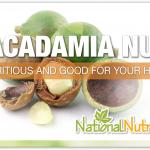
  • Explore Macadamia Nuts Health Advantages

    For a long time, macadamia nuts were avoided by dieters because they are one of the fattiest nuts around. However, studies now show they are nutritious and good for your heart. Moderation is the key to benefiting from these creamy, sweet nuts.

    History of Macadamia Nuts

    Macadamia nuts grow on trees that typically grow in tropical climates with volcanic soil. The trees are native to Australia but are now grown all over the world with large producers in Hawaii and South Africa. It takes 7-10 years before a macadamia tree bears nuts, but after that, the tree can produce nuts for over 100 years.

    Macadamia nuts are a nutritious food because they are very high in monounsaturated fats and contain plant sterols, antioxidants, vitamins and minerals.

    Key Health Benefits of Macadamia Nuts

    Lowers cholesterol – Macadamia nuts contain high levels of fats (1oz has 22g of fat), which most people think is unhealthy because they mistake that fat for saturated fat. However, the majority of fat in these nuts is monounsaturated fat, which is heart-healthy. This type of fat works to lower LDL cholesterol (bad cholesterol) while raising HDL cholesterol (good cholesterol). This means macadamia nuts can help prevent coronary artery disease and strokes by reducing harmful fat build-up on artery walls. Like most foods, moderation is important when eating these nuts, so be sure to count out 10-12 nuts (1oz) per serving and replace other fatty foods in your diet with these tasty nuts.

    Source of plant sterols – Macadamia nuts are high in phytosterols, also called plant sterols, which are a nutrient that lowers cholesterol levels. Phytosterols also work to boost the immune system, balance blood sugar levels and it beneficial to prostate health. For more information on plant sterols, read this article on sterols and sterolins.

    Nutritious superfood – These nuts are high in minerals like calcium, magnesium, manganese and iron. They are also a source of selenium, which is a powerful antioxidant and is needed for proper thyroid functioning. Start adding superfoods to your diet, like nuts, to increase overall health and well-being.

    Nutritional Information

    nutrient profile for 100grams (3.5oz)
    calories740
    fiber8.6 grams
    protein8 grams
    monounsaturated fat 59 grams
    polyunsaturated fat 1.5 grams
    saturated fat 12 grams
    supplement articles – calcium85mg
    magnesium130mg
    manganese4mg
    potassium368mg
    zinc1.3mg
    iron3.7mg
    selenium3.6mcg
    vitamin b-11.2mg

    Tips For Adding Macadamia Nuts To Your Diet

    10-12 Macadamia nuts make a healthy snack and are very tasty in trail mixes. Their sweet nature makes them a perfect addition to sweet treats, desserts and baked goods. Just don't go overboard on the macadamia nut cookies!! You can roughly chop them and add them to salads, stir fry or finely chop them to make a gluten-free nut crust on chicken breast. Macadamia nut butter is very tasty too! You can use it on toast, cut-up veggies or in smoothies.

    Macadamia nut oil is great for cooking and is a healthy alternative to olive oil and canola oil. It has a pleasant taste and makes a great base for salad dressings. Also, macadamia nut oil has a higher smoke point than olive oil, which means it can be cooked at higher temperatures without breaking down and losing its flavour.

    Shopping Tips For Buying Quality Nuts

    When purchasing macadamia nuts, look for the raw, unshelled kind. This will ensure they are the freshest and most nutrient-dense. Roasting nuts will start to break down the healthy fats. So, if you like roasted nuts, roast them yourself because the oil in roasted nuts will go rancid quickly. Also, choose unsalted to avoid excess sodium in your diet.

    Macadamia Nut Alternatives

    Macadamia nut allergies are less common than other tree nut allergies like cashews and pistachios. If you are allergic to macadamia nuts, try seeds like pumpkin, sesame, chia, and sunflower. Raw seeds can also provide essential Omega 3 fatty acids, minerals and antioxidants to benefit your health. For other healthy snacks consider dried legumes like chickpeas or soybeans, which are high in fiber and protein.

  • Gummy Vitamins: Exploring The Pros & Cons

    There is a new fad developing in the supplement industry to allow multivitamins to become more accessible to the masses. Gummy vitamins...and who doesn't love a gummy candy that also has health benefits? 

    Pros & Cons of Gummy Vitamins

    In truth, it is extremely difficult to make useful doses of any vitamin mix taste particularly delicious, especially in a small enough form to be palatable. Once you take into account the amount of space taken up by sugar and gelatin, each gummy ends up with a very small nutritional content. 

    On top of that, the first ingredient on the ingredients list of almost all of these vitamin gummies is some form of sugar (glucose, corn syrup, natural cane juice), and often several different forms in a row! Since ingredients are listed in order by amount, this means that the main ingredient in all gummies is sugar. Not exactly an ingredient that's at the top of our “nutritious substances” list.

    Who Are Gummy Vitamins Made For?

    Targeting Children

    Unfortunately, gummy vitamins are often targeted at children and parents as great additions to a healthy diet to improve nutritional status. Unfortunately, with the amount of vitamin in each gummy, the required dose can be much higher than that listed on the bottle to compare with chewable children’s vitamins. In some cases, up to 20 gummies would be required for common nutrients like Vitamin B1. At the same time, eating that many gummies would give your child a mega dose of unnecessary sugar. Often each gummy will contain around 2g of sugar, which is the equivalent of approximately ½ a tsp. Needless to say, feeding your children gummy vitamins will have a similar effect as feeding them candy on behavioural and attention problems.

    Targeting Adults

    Interestingly, more recent marketing and development has been targeting gummy multivitamins at an adult audience. These are meant to appeal to our inner child and to help those, like seniors, who are less inclined to take pills daily.

    Nutritional Content of Gummy Vitamins For Children & Adults

    So, how does the nutrient content compare? We could ramble on all day about how the gummy multivitamins don’t compare to other multivitamins, but instead, it may be better to just show you. Please note that if you are finding a difference from your bottle’s list of nutrients the listed amounts are per unit (gummy, chewable tablet, or pill), while many bottles list the nutrient content for the recommended dose (which is often several units).

    Nutritional Information For Children

    brand: chewable natural factors chewable flinstones gummy nature's way gummy organika # of gummy's needed to equal a single chewable
    recommended dosage:
    nutrients (below)
    1-2 0.5-1 3 2
    vitamin a/ beta carotene 5000 iu 3000 iu 833 iu 1300 iu 4
    vitamin c 100mg60mg 20mg 10mg10
    vitamin d3 400 iu 600 iu 133 iu 120 iu 3.3
    vitamin e 25 iu 30 iu 5 iu 8.25 iu 3
    vitamin b1 (thiamine) 5mg 1.5mg 0.25mg -20
    vitamin b2 (riboflavin) 5mg 1.7mg 0.28mg -18
    vitamin b3 (niacin) 10mg 15mg 3.3mg - 3
    vitamin b5 (pantothene) 10mg 10mg 1.7mg 2.6mg 3.8
    vitamin b6 (pyridoxine) 5mg2mg0.67mg 0.52mg 9.6
    folic acid 200mcg 400mcg 133mcg130mcg1.5
    vitamin b12 10 mcg 6mcg2mcg2.55mcg 3.9
    biotin 10mcg 40mcg100mcg 30mcg0.3
    iodine - -25mcg 21mcg -
    zinc2mg12mg2.5mg 1.35mg 1.5
    choline 5mg
    (5000mcg)
    - 6.67mcg 20mcg 250
    inositol 5mg
    (5000mcg)
    -6.67mcg20mcg250
    whole foods fruit & veggie blend --150mg--
    calcium 65mg 100mg ---
    magnesium 25mg - ---
    iron5mg 18mg ---
    potassium 5mg ----
    manganese 1mg - ---
    copper - - ---
    sodium -10mg ---

    ** Doses are per unit for all supplements 

    Nutritional Information For Adults

    brand: pill quest pill natural factors gummy nature's way gummy one-a-day # of gummy's needed to equal a single pill
    recommended dosage:
    nutrients (below)
    1 1 32
    vitamin a/ beta carotene 10,000iu10,000iu1667iu1600iu 6
    vitamin d 400 iu 400 iu 200 iu 200 iu 2
    vitamin e 50 iu 100 iu 7.5 iu 10 iu 5-13
    vitamin c 150mg 200mg 25mg 20mg 6-10
    vitamin b1 (thiamine) 50mg 50mg 0.25mg -200
    vitamin b2 (riboflavin) 50mg 50mg 0.28mg - 179
    vitamin b3 (niacin) 50mg 50mg 3.3mg -15
    vitamin b5 (pantothene) 50mg 50mg 3.3mg - 15
    vitamin b6 (pyridoxine) 50mg 50mg 1mg 2mg 25-50
    folic acid 0.2mg 1mg0.13mg 0.1mg 2-10
    vitamin b12 50mcg50mcg 4 mcg 6 mcg 8-12
    biotin50mcg50mcg100mcg -0.5
    choline50mg50mg20 mcg - 2.5
    inositol50mg50mg13 mcg - 3.8
    methionine -50mg - - -
    calcium125mg125mg - - -
    magnesium100mg50mg - - -
    phosphorus50mg - - - -
    potassium 50mg 10mg - - -
    iron15mg10mg - - -
    zinc10mg10mg2.5mg - 4
    manganese1mg1mg - - -
    copper1mg - - - -
    iodine 0.1mg 0.1mg.05mg - 2
    selenium 25mcg 25mcg - - -
    chromium 25mcg 25mcg - - -
    paba 50mg 50mg - - -
    citrus bioflavonoids25mg 50mg -
    lecithin 15mg - - - -
    betaine 12mg 50mg - - -
    hesperidin10mg10mg - - -
    rutin2mg - - - -
    papain 2mg10mg - - -
    l-cysteine 0.6mg - - - -
    molybdenum -25mcg - - -
    fruit & veggie powder - -50mg - -

    **Doses are per unit for all supplements

    Final Thoughts To Consider About Gummy Vitamins

    So what’s the moral of the story? Depending on the nutrient you are supplementing, the established supplement (chewable for children and pill for adults) is often 1.5 – 200 times higher in content. Gummies also do not contain essential minerals like calciummagnesium, iron, or selenium, and these are often one of the main reasons people supplement with vitamins in the first place. They often come in bottles of 60 – 100, and so an entire bottle would contain ½ the dose of vitamin B1 or B2 provided by a single capsule of normal multivitamins.

    Admittedly, gummy vitamins are a fun way to get a small amount of added nutrition. If you are substituting them for other forms of candy in your diet, then they are indeed the way to go. Otherwise, they are not a feasible substitute for other multivitamins. It would seem that gummy multivitamins are just another case of something being “too good to be true”.

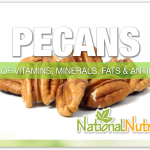
  • Pecan: A Tasty Nut Packed With Many Nutrients

    With the publicity of nut allergies, nuts have received a bad rap for being allergenic. Taking another look at the nutritional value of nuts, you see that for those who are not allergic to them, they offer a rich source of nutrients and culinary versatility to be added to salads, nut butter, shakes and your favourite yogurt. Let's delve further into pecans.

    The Rich History of Pecans

    Pecans are a species of Hickory, Juglandaceae, native to Mexico, Southcentral and Southeastern United States. They are a tree nut known to Aborigines of North and South America for centuries. In the Algonquian language, pecan means 'nut requiring a rock to open.' Well, thankfully we now have nutcrackers and can buy freshly hulled Pecan to eat.

    There are more than 500 varieties of pecan available worldwide. The most common varieties are Desirable, Moreland, Stuart and Cape Fear.

    Pecans, like other nuts, are a rich source of vitamins, minerals, antioxidants, protein and healthy fats.

    Key Benefits & Nutrients Found in Pecans

    Pecans provide a rich source of energy (690 cal/100g) of healthy protein, fats, antioxidants, minerals, vitamins and nutrients.

    Pecans are abundant in monounsaturated fatty acids called Oleic Acid. Oleic Acid helps reduce “bad” LDL Lipoprotein cholesterol from your blood and at the same time increases “good” HDL Lipoprotein cholesterol in your blood. Positively affecting your blood lipid profile minimizes the degree of cardiovascular disease that can develop over time.

    Ellagic Acid is a potent polyphenolic antioxidant in pecan. Other antioxidants in pecan are Lutein, beta-carotene, Zeaxanthin, and Vitamin E. Antioxidants are critical in keeping your cells healthy and free from oxidative damage. Thisincludes your cardiovascular system, heart, brain, skin and all cell membranes. As such, antioxidants are important for cancer prevention. Specifically, Ellagic Acid prevents DNA binding to certain carcinogens such as nitrosamines and polycyclic aromatic hydrocarbons.

    Pecan Vitamin E content is very high at 25g per 100g. Vitamin E is a powerful lipid-soluble antioxidant, which protects your cell membranes, mucus membranes and skin from oxidative cellular damage.

    Pecans are rich in minerals, including Calcium, Magnesium, Iron, Potassium, Manganese, Selenium, and Zinc. Minerals are important for structural tissues in your body, like your bones, nails, teeth, tendons, ligaments and muscles. They are also key co-factors for almost all enzyme systems in your body.

    Pecans are an excellent source of B Vitamins like Riboflavin, Niacin, Thiamine, Pantothenic Acid, B6 and Folate. B Vitamins work together for nerve transmission and hormone health and as co-factors in energy metabolism in your body.

    Different Ways To Consume Pecans

    Pecans are a great snacking nut. A quick handful along with a piece of fruit makes for a perfect combination of carbohydrate, protein and fat....along with all the antioxidants, vitamins and minerals Pecans offer.

    Gently toasted with a bit of melted coconut oil, cinnamon and nutmeg or a spicy cayenne pepper mix makes for a yummy treat to be eaten solo or sprinkled on a green or fruit salad.

    If no time for toasting, raw Pecan on salads or on rice and quinoa mixtures is also a great way to eat pecan.

    Some use pecan in deserts, on yogurt or on hot cereals. It's all good...! Or grind them up to make a wonderful Pecan nut butter for flatbreads.

    Shopping Tips For High-Quality Nuts

    Pecans should taste fresh – a rich buttery, mellow nutty flavour. If the flavour is sharp or bitter it is likely that the fats have gone rancid.

    Each nut is a red-brown oblong shape about 1 – 3 inches in length and 0.5-1 inch in breadth. The husk splits off into four sections at maturity to release an edible kernel – what we think of as the nut. Pecans are generally harvested from October through December. Raw nuts are then dehydrated for preservation. Some are kept raw, others are roasted and optionally salted.

    The fragile oils are kept freshest when Pecans are left raw. To continue preservation, they should be stored in the fridge. Once roasted, pecan can go rancid quickly.

    Further, it is best to eat Pecans without salt added. Many studies have confirmed the use of salt is not advised as it can contribute to swelling and elevated blood pressure.

    Pecan Alternatives

    Pecans are tree nuts and as such they can be allergenic to some people. If you know or suspect you may have a tree nut allergy you will want to avoid Pecans.

    If you are unsure, food allergy and sensitivity testing can be done through your ND or MD.

    Alternatives to pecan are seeds like pumpkin, sesame, chia, and sunflower. Raw seeds can also provide healthy fats, minerals and antioxidants to benefit your health.

  • Sesame Oil

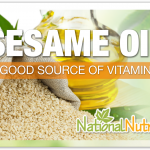
    Extracted from sesame seeds, sesame oil is one of our most valuable vegetable oils. It's very stable, has a long shelf life and it a good source of vitamin E. It's a staple in Asian cuisine and has been used in body massage, skin and hair treatments, food and drug manufacture and is frequently used as a solvent for the delivery of pharmaceuticals, in particular hormone and steroid drugs.

    What is Sesame Oil?

    Sesame oil is derived from sesame seeds, which is one of the highest oil containing seeds. There are many different varieties of this oil that range in flavour and colour because there are numerous varieties. Interestingly, Japan is the largest importer of sesame seeds, which makes sense because this oil is a very common cooking oil used in Japanese dishes.

    Health Benefits of Sesame Oil

    While sesame oil is used for cooking and flavoring foods, it actually has a number of health benefits. The oil is beneficial for heart disease, lowering cholesterol and lowering blood pressure. It is also good for diabetics because it helps regulate blood sugars, while also protecting against the long-term damaging effects of having high blood sugars. It's high in antioxidants and protects against aging, cancer and immune system disorders.

    In India it's been traditionally swished in the mouth to strengthen teeth and gums, prevent tooth decay, heal bleeding gums and to alleviate dryness and cracked lips. It's used as a hair oil to improve scalp health and strengthen hair and it is sometimes used topically for wound healing. It's also been used in beauty care as a face wash and skin oil, which helps to prevent black heads, clears up pimples and fades dark spots.

    How does Sesame Oil work?

    Sesame oil's claim to fame is its high amount of vitamin E. This powerful antioxidant is responsible for lowering cholesterol, blood pressure and protecting against heart disease. This oil also contains other antioxidants like sesame lignans, which in combination with vitamin E protect against fat oxidation. This means, it protects against harmful, free radical type fats. This oil's high antioxidant content is what gives the oil a longer shelf life and contributes to its stability.

    Interestingly, studies have shown that when diabetics, who also have high blood pressure, started cooking with this oil, there was a decrease in blood sugar levels, gylcated hemoglobin (HbA1c levels), cholesterol and triglycerides, and an increase in HDL levels (“good cholesterol”).

    How To Use It In Daily Life

    Sesame oil is a cooking oil and many recipes call for it. It's bold taste is perfect in stir fries, salads and many Asian dishes. A little oil goes a long way, so be sure to measure it. If you put in too much, you will certainly notice it, but you will miss it if you don't put in enough.

    You can also use it to make homemade skin care remedies like face cleanser, skin oil, bath oil and natural sunscreen.

  • Sesame Seeds

    Sesame seeds are among humanity's oldest oilseed crops, domesticated over 5,000 years ago. Revered for many years, these tiny seeds are a nutritional powerhouse, packed with healthy fats, protein, fibre, vitamins, and minerals. The oil extracted from them is a cornerstone of Asian cuisine, offering a rich, nutty flavour and a host of culinary uses. 

    Beyond the kitchen, these seeds have cultural significance in many traditions, symbolizing luck and prosperity. Today, they remain a versatile ingredient in global diets, supporting heart health, bone strength, and overall well-being.

    What Are Sesame Seeds?

    Sesame seeds are the tiny seeds we often see on hamburger buns. Interestingly, McDonald's purchases approximately 75% of Mexico's sesame seed crops to use on their sesame buns, which are eaten worldwide. Numerous varieties of sesame seeds exist, varying in size and colour, from tan to black; the off-white colour is the most common variety.

    Even though these seeds are small, they are a powerhouse of nutrition. They have one of the highest oil contents of any seed, with some varieties containing up to 50% oil, compared to soybeans, which contain only 20% oil content. Sesame oil is high in vitamin E, a natural antioxidant that is important for heart health. Sesame seeds are also high in protein, and are 25% protein by weight. While they are a good source of protein and fibre, they are also rich in essential minerals, like copper, calcium, magnesium, manganese, iron, selenium and zinc.

    Ways Sesame Seeds Support Your Health

    A well-rounded, healthy diet will include sesame seeds because they are incredibly nutrient-dense. They are rich in vitamin E, protecting against heart disease and aging. Vitamin E in particular is a powerful antioxidant that lowers cholesterol, protects against cardiovascular disease, prevents cataracts and Alzheimer's disease. These seeds are rich in minerals that build and strengthen bones, promotes healthy thyroid function, boosts immunity, revitalize skin and is a good source of iron.

    How Sesame Works in The Body

    Sesame seeds can be considered a superfood because they are high in the nutrients our bodies need to maintain a high level of health. They are high in protein and fibre, which help regulate blood sugar and support weight loss. They are a natural source of fat-soluble antioxidants like vitamin E. Most importantly, they are high in minerals, which support strong bones, healthy hormones and increase immunity. They are a natural source of copper, which is important to balance zinc supplementation. Also, because these seeds are a good source of iron, eating them is important for those suffering from iron deficiency anemia.

    Adding Sesame Seeds To Your Diet

    You can simply start adding sesame seeds to the foods you're already eating. Sprinkle them on salads, oatmeal, roasted or steamed veggies, stir fries or wraps. They'll add a little nutty crunch to your meal. They are really tasty sprinkled on steamed veggies like broccoli, green beans or asparagus with a squeeze of lemon. Sprinkling them on as a garnish gives your meal a pleasing, more finished look too. Tahini is a sesame seed paste and is the secret ingredient in hummus and many vegetarian dishes. Tahini can also be used as a spread or a dip.

  • Spirulina: Uses, Health Benefits, Supplements, Dosage

    What is Spirulina?

    Spirulina is an edible, water-grown cyanobacterium (Arthrospira species) that is often hailed as a complete superfood. Packed with a rich array of vitamins, minerals, and antioxidants, it is also a source of complete protein, making it a staple for vegetarians and vegans. Natural health practitioners recommend spirulina for a broad range of conditions, such as aiding in recovery after illness, managing hypoglycemias, lowering high cholesterol, detoxifying from chemicals or heavy metals, addressing malnutrition, and supporting healthy cell growth and nutrient absorption. Because spirulina is so easy to cultivate and harvest, whether in freshwater ponds or commercial facilities, it's regarded as an incredibly sustainable food resource, offering a low environmental footprint while delivering potent nutritional benefits. 

    Spirulina Health Benefits & Nutritional Profile

    Protein Content in Spirulina

    By weight, it contains 60-70% protein. It is a source of complete protein because it contains all of the essential amino acids. It is actually superior to typical plant protein sources, such as legumes, and because of this, it is a great addition to any vegetarian diet. Also, these proportionately high levels of protein can actually help to stabilize blood sugar when spirulina is supplemented between meals. This can help to reduce sugar fluctuations in diabetics and those with hypoglycemia.

    Healthy Fat Content

    By weight, it is approximately 7% fat, which is almost entirely healthy omega-3 and 6 fats. It is a rich source of GLA, ALA, and linoleic acid. It also contains EPA and DHA, the omega-3 fatty acids also found in fish oil. These healthy fats can help to regulate cholesterol levels and stimulate healthy steroid hormone synthesis, including sex hormones. EPA acts as an anti-inflammatory in the body, and DHA helps to promote proper brain health.

    B vitamins in Spirulina

    It contains a few different B vitamins, including: B1 (thiamine), B2 (riboflavin), B3 (niacin), B6 (pyridoxine), and B9 (folic acid). Although many companies claim that spirulina is a source of vitamin B12, the kind found in it is not active in humans, so alternative sources of vitamin B12 are still required.

    Carotenoids

    Some of the nutrients found in spirulina are carotenoids such as: beta-carotene and zeaxanthin. These are strong antioxidants that can help to protect the body against free radicals.

    Chlorophyll

    Part of the green colour of it is created by the presence of chlorophyll. This nutrient is a potent detoxifier that can help to speed the release of toxins from the bloodstream by binding them in the intestines. Chlorophyll can also help to increase the oxygenation of tissues by nourishing red blood cells. Interestingly, it has also been shown to do the work of hemoglobin in the blood, which is thought to be due to it resembling the human hemoglobin (oxygen-carrying) molecule.

    Phycocyanin

    Spirulina also contains phycocyanin, a blue-green pigment that has been shown in animal models to increase the survival rate in unhealthy liver cells. Further research is required to establish this effect.

    Other Vitamins and Minerals

    In addition to the B vitamins, spirulina also contains vitamin C, vitamin A, vitamin E and vitamin D. These are strong antioxidants that perform a number of different functions in the body. It is also a source of important electrolytes and minerals such as potassium, calcium, copper, iron, magnesium, manganese, phosphorus, selenium, sodium, chromium, and zinc. Each of these is essential to the maintenance of health.

    How Can I Get More Spirulina?

    As a supplement, spirulina is found in tablets, liquid, and powder. Some commercial “green food” smoothies and “energy” drinks contain spirulina. Greens powders also often contain this nutrient due to its rich nutritional benefits. You can take spirulina supplements or make some dishes at home to get more spirulina. Here is the recipe for Spirulina Chocolate Dough Bites.

    Contamination Fears

    It has been declared safe by the US National Institute of Health. Unfortunately, certain strains of cyanobacteria produce small amounts of toxins, and if these are inadvertently mixed with the spirulina during improper culturing, it can cause small levels of contamination. There is also the potential for heavy metal contamination, depending on the water source from which it is grown. Be sure to use a trusted source for your spirulina to ensure you get all of the health benefits without any potential detriments.

  • Sprouts

    Sprouting food is all the rage these days. It's fun to grow food right in your own home, and it’s great for kids to partake in the process. Sprouting also has great health benefits that have been known for centuries in different parts of the world, particularly Asia. It’s easy to do at home, and if you are on the run, sprouts are readily available in most grocery stores.

    The practice of sprouting food all started when people began to recognize that certain grains and legumes gave them negative digestive symptoms like gas, bloating and indigestion. However, when these foods are soaked and sprouted, they are much easier to digest.

    The reason grains and legumes produce gas and indigestion is that many people do not have the digestive enzymes needed to fully digest them. As a result, they ferment, cause negative digestive symptoms and can contribute to inflammation and allergies.

    Before farming, humans were mostly hunter-gatherers, so if we came across a bit of naturally growing grain, it was few and far between. Also, these grains would have been soaked and mashed to eat. It’s theorized that because humans did not consume large quantities of grains, flour, and legumes prior to the advent of farming practices, we lack the necessary digestive enzymes to adequately digest quantities of grains and legumes. Sprouted grains and legumes are better suited to our digestive system because they include the enzymes needed to digest them.

    What Are Sprouts & What Are They Used For?

    Sprouts are the colourful plant-like growth which forms when certain foods are soaked in a small amount of water. Soaking begins a natural process called germination. Nature uses seeds, grain, nuts, and legumes to grow new plants, and it all begins with a germination process.

    When these foods become wet, it catalyzes the growth enzymes to begin a chemical process for the growth of a new plant. This is called a sprout, and sprouts are highly dense with enzymes and nutrients. The benefits of eating sprouts are many. Much of the value has to do with the chemicals and nutrients in the sprout itself, which are not available until germination occurs.

    This is because unsoaked grains, legumes, and seeds contain what are called enzyme inhibitors, which prevent them from germinating and sprouting. It is only when they become wet that these growth enzymes are triggered, and plant growth begins to happen.

    Grains, legumes, and seeds also contain phytic acid and certain toxins to keep them from being eaten by animals and humans. Enzyme inhibitors, phytic acids, and toxins all contribute to grains, legumes and seeds being difficult to digest. Phytic acid also interacts with essential minerals like Calcium making them unavailable for your body to use. Once soaked, naturally occurring healthy Lactobacilli bacteria begin to grow and neutralize phytic acid and toxins, halting their negative effects.

    Soaking, fermenting and sprouting also break down difficult to digest proteins like gluten found in most grains, except rice, quinoa, buckwheat, and millet.

    What Are They Used For?

    Sprouts are mainly used for their nutritional value.

    In addition to being a living, enzyme-rich food, Sprouts have many vitamins and minerals. Just by sprouting these foods, their vitamins and minerals increase.

    For instance, the vitamin A content in sprouts doubles, the B vitamins will increase 5 – 10 times, and vitamin C will also increase.

    Once sprouted, proteins in grains, seeds, and legumes also become more digestible and therefore bioavailable. This is especially important for those who are vegetarians.

    They are also rich in the minerals calcium, iron and zinc.

    Why do Sprouts Work?

    It’s commonly known that the new buds and growth of plants and herbs are highly nutrient-dense and even medicinal. This is Mother Nature’s way of giving new and old plants the extra nutrients and energy they need to grow and produce a full-sized plant.

    By eating sprouts, we can benefit from this natural process by giving our body nutrient-dense vitamins, minerals, phytochemicals and enzymes that we need to maintain health.

    How Can I Use Sprouts?

    Sprouts are great on salads, on sandwiches, or blended in health shakes. There is just no wrong way of eating them. One exception is that they are best eaten raw. Cooking them can neutralize their beneficial enzymes.

  • Whey Protein

    Whey is a liquid by-product of cheese production from cow's milk. The protein fraction in whey is approximately 10%, which is then concentrated to a powder that can be used as a dietary protein supplement. This is a complete protein that contains all 9 essential amino acids. It is also a great source of branched-chain amino acids (BCAA's) and cysteine.

    Benefits of Whey Protein

    Whey protein has all of the general health benefits of protein supplementation, such as muscle building, bone health, weight loss, and improved physical function. In addition to this, it is an abundant source of BCAAs and cysteine.

    /articles/supplements/branched-chain-amino-acids/ can act as an alternate energy source for tired muscle cells during a hard workout, and help to prevent delayed onset muscle soreness (DOMS) later. The cysteine in whey can also help to raise the amount of glutathione available in the body. /articles/supplements/glutathione/ that can help aid in detoxification and can also help to stimulate the immune system in those with reduced immune status.

    Types of Whey Protein

    This protein can be processed in a few different ways, resulting in end products with different characteristics.

    Concentrate

    Whey protein concentrate (WPC) is exactly what the name implies: a concentrated form of whey. Because of this, WPC's still contain low levels of fat and cholesterol. They also have other compounds found in milk, such as lactose and casein. This type of protein is anywhere from 30-90% protein by weight.

    Isolate

    Whey protein isolate (WPI) is processed to remove the fat and lactose. In general, this form of protein is at least 90% protein by weight.

    Hydrolysate

    Whey protein hydrolysate (WPH) is a whey protein isolate that has been predigested and partially hydrolyzed by enzymes to allow them to be more easily digested. This is supposed to be a less allergenic form, and is often more expensive than the other forms.

    Bioavailability of Whey Protein

    This protein is by far the most bioavailable form of supplemental protein. This means that this protein is the most easily digested, absorbed and utilized protein supplement available. The scientific measurements of bioavailability are assigned a biological value (BV), which allows for the comparison of different protein sources in this way. Whey protein isolate has the highest BV at 100 - 159, and the concentrate form is next at 104. Most other protein sources come in around 50 - 90.

    Whey Sensitivity

    Some people cannot properly digest this protein, and others may have a food sensitivity to any lactose or casein remaining after processing. Signs of whey sensitivity are similar to those seen with dairy sensitivity: gas, bloating, cramps, fatigue, headaches, skin rashes, and irritability. Should these symptoms occur, it may be beneficial to switch to an alternate protein source.

    How Can I Get More Whey Protein?

    There are a number of different products that contain whey protein. It can be found in protein bars, drink mixes, meal replacements, weight loss formulas, body building formulas, or as a plain powder. Powders can be mixed in water, juice or other liquids to form a shake, or can be added to cooking or baking to boost protein content. The dose of protein powder depends on the percentage of protein by weight, and the activity level and the bodily requirements of the individual. People generally require 1 – 2 grams of protein for every kilogram of body weight. The lower end of the scale is for simply maintaining muscle mass with a sedentary lifestyle, while the higher end of the scale is for people looking to add significant muscle mass.

12 Item(s)

First name is required!
Last name is required!
First name is not valid!
Last name is not valid!
Please enter a valid email address.
Email address is required!
This email is already registered!
Password is required!
Enter a valid password!
Please enter 6 or more characters!
Please enter 16 or less characters!
Please ensure your passwords match.
Terms and Conditions are required!
Incorrect FormKey!
Incorrect Email or Password!
reCAPTCHA is mandatory. Click check box beside I am not a robot
Invalid login/register data, Kindly contact customer service agent.