

Ultra Chromatone Plus (Ucp) - 90 Rapid Release Tabs - Abundance Naturally

We're sorry, we no longer carry this item.
Check These out
Suggested, Similar, & Related Products:

Sale: $34.99
Reg.: $59.99 (Save $25.00)
(Click Add to Select Bonus)

Sale: $44.99
Reg.: $59.99 (Save $15.00)
(Click Add to Select Bonus)

Sale: $44.38
Reg.: $55.47 (Save $11.09)
(Click Add to Select Bonus)
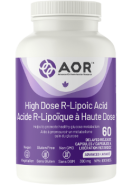
Sale: $50.78
Reg.: $63.48 (Save $12.70)
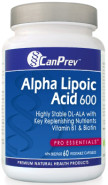
Sale: $29.99
Reg.: $32.99 (Save $3.00)
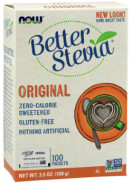
Sale: $14.99
Reg.: $17.99 (Save $3.00)

Sale: $5.99
Reg.: $9.99 (Save $4.00)


Sale: $22.49
Reg.: $28.49 (Save $6.00)
Or, Shop our Latest Deals:
Shop Now >- 100mcg
- Chromium (as chromium chloride)
- 121.5mg
- In a base of Yerba mate leaf extract, guarana seed extract, quebracho bark extract, ligustrum berry, cinnamon bark, astraglus root, bladderwrack kelp, rehmannia root, reishi mushroom, peppermint leaf, lemon verbena leaf, chamomile flower, ginger root, licorice root, tangerine peel and chicory root
- Non-Medical Ingredients:
- 7.5mg
- Siberian ginseng
- 50mg
- Cayenne powder
- 1.25mg
- Niacin
- 1 mg
- Sargassum seaweed
Dicalcium phosphate, microcrystaline cellulose, croscarmelosesodium, stearic acid, silica, magnesium stearate and pharmaceutical glaze
Ephedra Free
 Tablets
90
Take up to four tablets per day two or three at breakfast one or two at approximately 2pm or as directed by a health practitioner.
- Scientifically balanced blend of herbs and minerals
- Suppress hunger
- Reduce cravings
- Increase mental and physical energy
- Boost metabolism

- Reviews
- POST A NEW REVIEW
Chromium is sometimes referred to as glucose tolerance factor (GTF) because of the vital role it plays in the metabolism of sugar for energy. It maintains stable blood sugar levels by regulating the workings of the hormone insulin. Insulin is released from the pancreas, in response to sugar intake. It allows the intake of glucose by the cells as a fuel source.
Without insulin sugar stays in the blood, and cells become starved for energy. The standard North American diet is high in sugar and refined products, as well as being deficient in blood sugar stabilizing substances like fibre.
Eventually the pancreas becomes worn out and does not produce as much insulin or the body's cells become intolerant after years of high insulin levels. Only one in ten individuals has a diet that includes a sufficient amount of chromium. These are important reasons why the prevalence of type II diabetes is increasing and the need for chromium supplementation is growing. Hypoglycemic individuals suffer from the opposite problem as diabetics; their blood sugar is too low. Chromium supplementation also helps these individuals regulate their blood sugar. Chromium also plays a role in the synthesis of fats, cholesterol and proteins. High cholesterol can be regulated with chromium supplementation.
Chromium is important for pregnant women because they often suffer with symptoms of blood sugar imbalances like nausea and fatigue. This occurs because the fetus is taking sugar out of the blood without the body realizing that it is. Some studies show that adding chromium to the diet reduces total body fat and increases muscle mass, making chromium an important supplement for athletes and those who are trying to lose weight.
The most active forms of chromium supplementation are chromium picolinate and chromium polynicotinate. Chromium is chelated, or bonded, to the picolinate molecule or niacin, which takes it into the cell. Chromium GTF and chromium chloride are less active forms of chromium.
Active individuals and athletes need more chromium because they consume more carbohydrates than the general population. Chromium may decrease a diabetic's need for insulin and oral hypoglycemics. Those with blood sugar imbalances should seek professional advice before supplementing with chromium. Zinc and chromium compete for absorption and should be taken at different times. Corticosteroids cause a depletion of chromium.
Weight Loss
A person is considered obese if their weight is twenty percent over the normal weight for their age, sex, build and height. Unfortunately 80 million North Americans fall into this category. Many medical conditions are brought on or worsened by excess weight.
They include: joint problems caused by the need to bear excess weight, circulatory disturbances, depression, diabetes, gallbladder disease, heart disease, hernias, hypertension, infertility, kidney disease, sleep apnea and skin infections.
Yo-yo dieting also leads to obesity by making the body more efficient at storing fat and altering normal appetite signals. Emotional factors, such as grief or stress, can contribute to obesity by the use of food as a coping mechanism.
Medical conditions that lead to obesity include hypothyroidism, diabetes, hypoglycemia, and candida. The use of medications, such as antidepressants, cortisone and oral contraceptives, may cause obesity by increasing appetite or decreasing metabolism. Pregnancy causes weight gain in order to provide nourishment for the fetus and nutrient stores for breastfeeding. It is normal and should not be limited as long as the woman is eating a well-balanced diet. Genetics also plays a role in determining your body type and metabolic rate.
Dietary advice with regard to weight loss is plentiful; just go into your local bookstore. The caloric theory states that: If you take in more calories than your body requires it will store them as fat, if you take in less calories than your body requires it will metabolize energy stores to make up the difference. The key is to alter your caloric intake by only small amounts and increase your metabolism. Skipping meals or starving yourself actually slows the metabolism by telling the body that food is scarce. Exercise is essential in order to stimulate the body to burn fat and build lean tissue.
Other theories believe that you can eat as much as you want as long as the food contains less fat and no simple sugars. The diet should also contain vitamins and minerals that are necessary for fat burning such as vitamin B5, vitamin B6, vitamin E, lecithin and essential fatty acids.
Another theory believes that hidden food allergies can lead to obesity. Irritating food proteins cause small amounts of inflammation, as the body attempts to neutralize the irritants, and can down-regulate metabolism. Eliminating the most common food allergens, milk, wheat, corn, eggs, chocolate, soy and yeast, can be an important part of weight maintenance in some individuals.
Back to Top ↑








