

- 13%
- Glycerin/1,2,3-Propanetriol (Glycerol)
- 2%
- Aloe Vera/Aloe Vera (Leaf Gel)
- 1%
- Sweet Almond Oil/Prunus Dulcis (Seed)
- 0.5%
- Arnica Oil/Arnica Montana (Flower)
Water, Horse Chestnut Seed Extract, Ginkgo Biloba Leaf Extract, Evening Primrose Oil, Apricot Kernel Oil, Rosehip Extract, Tea Tree Essential Oil, Grapefruit Seed Extract.
Consult a health care practitioner if symptoms persist or worsen. Do not use if you are allergic to plants of the Asteraceae/ Compositae/ Daisy family. Hypersensitivity, such as allergy, has been known to occur; in which case, discontinue use. For external use only. Avoid contact with eyes. Do not apply to wounds or damaged skin. Do not bandage. Do not apply with external heat.
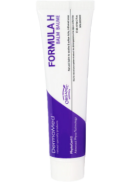
 Cream
Cream
60ml
Apply to affected areas 1-3 times daily.
- Non-irritating to the skin
- provides fast and effective relief
- Reduces inflammation and the feeling of heaviness, burning and itching
- Certified Organic Ingredients
- Relief from pain and discomfort caused by hemorrhoids

- Reviews
- POST A NEW REVIEW
Hemorrhoids
Similar to a varicose vein, hemorrhoids can flare up at the worst time. They can sting, burn and bleed. Fortunately, a number of supplements can help...
Hemorrhoids are swollen and distended veins occurring in the rectal and anal area. They are caused by increased pressure in the area and a weakening of the vessel walls. These effects can be caused by constipation, poor diet, obesity, hormonal changes (like those in pregnancy) and prolonged periods of sitting or standing.
How do I know I have them?
Hemorrhoids can be asymptomatic, only symptomatic during flare-ups or constantly bothersome. Pain and itching are the most common symptoms. These are usually worse during and after a bowel movement. Bleeding, and burning can also occur. In more severe cases the hemorrhoid may protrude externally and can look like a hanging “bunch of grapes”.
How are they treated?
Conventional treatments for hemorrhoids include both medication and/or surgery. Topical treatments may contain heavy metals and anesthetics. The medication in suppositories can be easily absorbed into the body through the colonic mucosa; pregnant women should proceed with caution. Pain medications like aspirin and ibuprofen might cause more harm than good since they are blood thinners and can increase bleeding. If taking painkillers for hemorrhoids, the best option is acetaminophen. Surgical interventions, which are aimed at reducing or removing hemorrhoids, can be successful but must be followed with appropriate diet and lifestyle changes to prevent reoccurrence.
Lifestyle Changes
Hemorrhoids are benefited by regular exercise and reducing stress. Be sure to never suppress the urge to defecate. Do not strain to pass stool because it can contribute to hemorrhoid formation. Minimize straining by ensuring that your thighs are parallel to the floor, or with your knees higher than your thighs, when sitting on the toilet. Use a footstool if necessary. Avoid strong laxatives because they also increase internal straining.
Prevention
Avoid remaining stationary for long periods of time as it can stagnate the circulation. Instead, practice pelvic rocking and pelvic circling to increase circulation to the area. Sit on soft surfaces but do not use a donut-shaped pillow. Those pillows actually increase pressure on the vessels and can worsen hemorrhoids. Performing Kegel exercises can also help to strengthen the pelvic floor and prevent backflow and pooling of venous blood in the area.
Topical Treatments
Topically apply Aloe Vera gel to the anus to relieve pain and soothe the burning sensation. Witch Hazel is an astringent that tightens the blood vessels and stops bleeding. It can be applied several times daily with a cotton pad as needed. It is important to keep the area clean to prevent infection in the irritated mucous membrane. There are numerous herbs that can be steeped into teas and used as a poultice. These can often be as effective as conventional creams and ointments (think Preparation-H). You can try Bayberry, Calendula, Chamomile, Goldenseal, Elderberry, Slippery Elm and Yarrow. Using teas made from one, or any combination of these herbs may also be used as a wash after bowel movements. There are a number of homeopathic preparations that can also be used topically to help relieve the symptoms of hemorrhoids.
Dietary Changes
One of the most important dietary changes involves a high fibre diet. fibre adds bulk to the stool and maintains regularity. Eat whole grain products, fruits and vegetables. Eat at least one salad of raw vegetables daily. Consume dark green, leafy vegetables as a source of Vitamin K to help blood clotting. Eat citrus fruits and berries for bioflavonoid, which strengthen capillaries. Be sure to drink 2L of filtered water daily to soften stools and maintain regularity. You can also use 1 tbsp of flax seed oil, or other healthful Omega 3 oils with each meal to combat constipation. Avoid constipating and irritating foods such as, dairy products, spicy food, fats, processed foods, salt, alcohol, coffee, chocolate, cocoa, cola and black tea.
Supplements
Internally, there are a number of supplements that can be used to support vein health. Bioflavonoids can be combined with vitamin C to help strengthen the vein walls and prevent bulging. Fore more information, please see our Vitamin C and Bioflavonoid articles. Some particular bioflavonoid supplements are Diosmin, Hesperidin, Rutin, Quercetin, and Pycnogenol. Some homeopathics may also help to treat and prevent hemorrhoids, especially combination formulas targeted to that effect. Herbs that can be taken internally to help with hemorrhoids include: Butcher’s Broom, Horse Chestnut, and Bilberry. Often vein health formulas can be used to prevent the formation of hemorrhoids. These formulas contain a combination of the above-listed substances.
Back to Top ↑
-

Be Well Immune Support - 60 V-Caps
Sale: $37.99
Reg.: $44.99 (Save $7.00)












