

- 650 mg
- Betaine HCl
- 45 mg
- Pepsin (porcine)
Cellulose, stearic acid (veg), silicon dioxide, magnesium stearate (veg), and coating (hypromellose, hydroxypropylcellulose, and medium-chain triglycerides).
Keep out of reach of children. Please see below for more information.
 Tablets
270 Tabs
Adults take 1 tablet 3 times daily with or immediately after meals or as directed by your healthcare practitioner.
- Complements the natural production of digestive agents
- Proteolytic enzyme
- Betaine HCl combined with pepsin
- Healthy digestion
- Helps food absorb in the intestinal tract for smooth digestion
- non-GMO and gluten-free

Premium Metagenics Formulas for Whole‑Body Health
For over 30 years, Metagenics has been dedicated to scientific discovery and bringing you the highest quality supplements. Some of Metagenics most popular supplements inlcude Metagenics Ultra Flora, Probiotics, Phytomulti, Clear Change, Ultra Glucose Control, Candibactin-BR and Candibactin-AR. From gluten-free to non-GMO, Metagenics aims to deliver clear and accurately labeled nutritional solutions with over 120 vegetarian supplements. Read more >- Reviews
- POST A NEW REVIEW
Reviews By Rating
helpful votes
0
0 customers found this product review helpful
Cautions & Warnings: Consult a healthcare practitioner prior to use if you are pregnant or breastfeeding, have excessive stomach acid, have high cholesterol or a peptic ulcer. Consult a healthcare practitioner prior to use if you have gastrointestinal lesions/ulcers, are taking blood thinners or anti-inflammatory agents, or are having surgery. Stop use if hypersensitivity (e.g. allergy) occurs. For prolonged use, consult a health care practitioner. Do not refrigerate. Do not use if perma seal is missing.
DIGESTIVE HEALTH
The digestive process takes food material, breaks it down into absorbable pieces and transports it into the body. It is a complex process, involving many organs.
Many foods that we eat, other substances we consume and our lifestyles contribute to digestive disorders. Highly processed foods, alcohol, medications and tobacco are difficult for our body to break down and cause great strain on our organs, such as the liver and pancreas. They may also physically damage the digestive lining. Processed foods are also deficient in nutrients so not only does the body have to work extra hard to digest the food, but it also gets depleted of the things it needs to do its work. Water and fibre intake is important to have proper moisture and bulk in the stool and make bowel movements regular.
Support Digestive Health By:
-Chewing food completely.
-Eating several small meals daily instead of three large meals.
-Avoiding fluids with meals
-Eating a variety of fresh fruits and vegetables.
-Avoiding refined, processed foods
-Not overeating.
-Taking a HCL supplement before meals.
-Supplementing with Probiotics.
-Taking digestive enzyme during or after meals.
Enzymes
Enzymes are catalysts of chemical reactions. This means that they initiate and increase the rate of one or several body processes. Without enzymes, reactions in the body would take place too slowly to maintain life. Digestive enzymes are responsible for breaking down food particles so that they can be absorbed in the intestinal tract and either used for energy or stored for later use.
There are three main categories of digestive enzymes, amylase, protease and lipase. Amylase enzymes digest sugars, for example, like milk sugar is digested by lactase and cane sugar by sucrase. Amylase is found in saliva, pancreatic juice and intestinal juice. Proteases are responsible for breaking down protein. It is found in intestinal and pancreatic juice. Lipases digest fat and are released in the stomach and intestines.
Enzymes naturally occur in all raw foods. When referring to the "ripeness" of a food we are talking about its readiness to be eaten. Ripe foods are most abundant in enzymes that are used for digestion. Rancid foods are already being digested by the naturally occurring enzymes. Unfortunately enzymes are destroyed by the cooking and processing of foods. This means that most of the foods the average person consumes are deficient in enzymes. The body must do all of the work to digest the food or, more commonly, foods are improperly digested. The term "leaky gut" is used to describe undigested protein particles that get into the bloodstream and cause allergic reactions. This is one reason why digestive enzyme supplements can improve lots of health complaints. They are widely recommended by natural health practitioners for indigestion, gas, bloating, arthritis, autoimmune disorders, food allergies and skin conditions.
There are many commercial digestive enzyme preparations, each with a unique mix of enzymes. Choose a supplement that contains enzymes for the type of nutrient, or nutrients, you have trouble digesting. There are vegetarian and animal source supplements. Digestive enzymes can be in tablets, capsules, liquid or powder form. Each type of enzyme has different units of strength, and unfortunately there is no standardization with regard to which units are used on the product label, making it difficult for the consumer to judge the potency of enzyme supplements. Enzyme supplements may contain betaine HCl, to increase stomach acid and facilitate the workings of the enzymes, or ox bile, to digest fats.
Do not take digestive enzymes if you are pregnant or nursing. Do not use digestive enzymes if you have active bleeding, blood disorders or if you use blood thinners. Discontinue digestive enzymes 2 weeks prior to dental work or surgery.
Natural Digestive Support
Betaine HCl
Betaine hydrochloride contains approximately 23% hydrochloric acid, commonly known as stomach acid. It is naturally sourced from beets. Stomach acid initiates the digestive process by beginning the breakdown of food, especially protein. It is also an important protective mechanism against infection by killing any microbes that are contained in our food or water. Low stomach acid impairs one's ability to digest food by limiting the release and functioning of other digestive enzymes.
Although it may seem contradictory, low stomach acid can also lead to gastric reflux (heartburn). Closure of the valve at the top of the stomach is stimulated by the hydrochloric acid that is released in response to food intake. In an individual with low stomach acid the valve does not close and allowing the remaining acid to push up into the esophagus and cause a burning sensation. Betaine hydrochloride is recommended for indigestion, low stomach acid and gastric reflux.
Betaine HCl can be purchased in capsules. It is found on its own or as a component of a digestive or multi-enzyme formula. It should be taken with meals and more may be necessary with large meals or those containing protein. To assess you need for HCl some practitioners recommend an HCl challenge test. The number of HCl capsules taken each day is increased by one until a slight burning sensation is felt in the stomach. The appropriate daily dosage is slightly lower than the amount that causes burning. This test should be done cautiously and under medical supervision if you have a gastrointestinal condition.
Do not take betaine HCl if you have active stomach ulcers. Betaine HCl counteracts H2 antagonists, proton pump inhibitors and antacids. High doses of betaine HCl can cause stomach irritation.
Back to Top ↑

-

Schisandra Berries (Organic Powder) - 454g
Sale: $84.99
Reg.: $109.50 (Save $24.51)
-
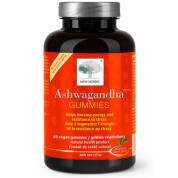
Ashwagandha Gummies (Mango Peach) - 60 Vegan Gummies
Our Price: $21.95 -

Organic Apple Cider Vinegar+ 500mg - 120 V-Caps
Sale: $19.99
Reg.: $22.99 (Save $3.00)












