

Fibre Supplements
Fibre Supplements: Essential for Optimal Digestive Health
Dietary fibre is a naturally-occurring plant material in foods such as fruits, legumes such as dried beans, lentils, peas, soybeans, nuts and seeds, vegetables, and whole grains such as whole grain bread, cereals, crackers and pasta, brown rice, hulled barley, and oats. Read more >-

Designs For Health's RS Fibre contains two types of resistant starch (RS) type II: organic green banana flour and organic potato starch powder. Resistant starch resists digestion and ferments in the large intestine, producing short-chain fatty acids that nourish beneficial microbes and enterocytes. RS Fibre supports gastrointestinal health by maintaining microbial balance and intestinal integri...
+ Earn 94 Reward PointsOur Price: $94.88In Stock -

MetaFiber is a fibre blend drink mix designed to support healthy intestinal transit time and bowel regularity. One serving provides 6g of soluble and 6g of insoluble fiber and may provide gentle relief for occasional constipation. [POWDER]
+ Earn 44 Reward PointsOur Price: $44.50In Stock -
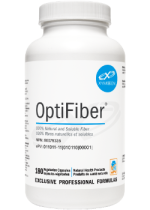
Xymogen OptiFiber features highly purified glucomannan from Amorphophallus konjac, developed through an advanced multi-stage process that enhances purity, viscosity, and stability. This soluble fiber forms a gentle, gel-like texture in the digestive tract to support regularity, promote feelings of fullness, and help maintain healthy cholesterol levels. Its unique processing ensures consistent q...
+ Earn 81 Reward PointsSale: $81.99
Reg.: $87.99 (Save $6.00)
In Stock -

This Prebiotic Fibre from NOW® is formulated with Fibersol®-2, a tasteless, soluble fibre derived from non-GMO corn that can help manage hunger and promote a feeling of fullness up to two hours after a typical meal in healthy adults while also helping maintain healthy, normal glucose levels. Fibersol®-2 also acts as a prebiotic fibre that can help to nourish intestinal flora and maintain a heal...
+ Earn 31 Reward PointsSale: $31.99
Reg.: $46.48 (Save $14.49)
Out of Stock
Get Notified When in Stock
-
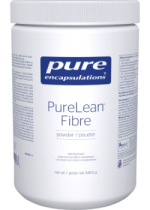
Pure Encapsulations PureLean Fibre contains a blend of PreticX™ xylooligosaccharides, soluble fibres from glucomannan, guar gum, apple pectin and prune powder, and insoluble fibres from cellulose and flaxseed. Soluble fibre helps slow the rate of digestion, promoting digestive health and nutrient absorption. It also absorbs water and adds bulk in the digestive tract to support weight management...
+ Earn 50 Reward PointsOur Price: $50.50Out of Stock
Get Notified When in Stock
The Importance of Fibre Supplements in Daily Nutrition
Dietary fibre is a naturally-occurring plant material in foods such as fruits, legumes such as dried beans, lentils, peas, soybeans, nuts and seeds, vegetables, and whole grains such as whole grain bread, cereals, crackers and pasta, brown rice, hulled barley, and oats. Interestingly, though dietary fibre cannot be completely broken down by our digestive enzymes, it is vital to our overall health and wellness. Let's take a further look at fibre supplements.
There are many different kinds of naturally occurring plant fibres, including:
- Cellulose, hemicellulose – is found in cereal grains and many fruits and vegetables.
- Lignins – are found in corn bran, nuts, flaxseeds, vegetables, and unripe bananas.
- Beta-glucans – beta-glucans found in oats and barley and metabolized and fermented in the small intestine.
- Guar gum – isolated from seeds.
- Inulin, oligofructose, oligosaccharides, and fructooligosaccharides – are found in onions, chicory root, asparagus, and Jerusalem artichokes.
- Pectins – pectin can be found in apples, berries, and other fruits.
- Resistant starch – found in legumes, unripe bananas, cooked and cooled pasta, and potatoes.
All dietary fibres fit into one of two distinct categories:
- Soluble fibre dissolves in water, forms a gel-like substance in the digestive system, and helps slow digestion so you feel full longer. Soluble fibre also promotes heart and metabolic health.
- Insoluble fibre, on the other hand, does not dissolve in water and remains whole while it travels through the digestive tract. It adds bulk to the stool.
Most high-fibre foods contain soluble and insoluble fibre, though they are typically higher in one kind of fibre or another.
Unlocking the Benefits: How Fibre Supplements Enhance Your Health
Both dietary and fibre supplements can support:
Digestive Health: Fibre promotes regular bowel movements and helps prevent constipation by adding bulk to stool. It also helps to keep the digestive system healthy by feeding beneficial bacteria in the gut.
Heart Health: High-fibre diets have been shown to reduce the risk of heart disease by lowering LDL (bad) cholesterol, reducing blood pressure, and improving blood sugar control.
Weight Management: Fibre can help with weight management by increasing satiety (the feeling of fullness) and reducing overall calorie intake. This is because fibre-rich foods take longer to digest, keeping you feeling full for longer.
Blood Sugar Control: Fiber slows the absorption of sugar into the bloodstream, which helps to prevent spikes in blood sugar levels. This is particularly important for people with diabetes, as it can help to regulate blood sugar levels.
Healthy Cell Protection: Some types of fibre, such as insoluble fibre, have been linked to a reduced risk of unhealthy cell growth, according to research.
Identifying Your Need for Fibre Supplements
It's essential to get adequate fibre daily to reap the benefits of this crucial nutrient. The recommended daily fibre intake is 25 grams for women and 38 grams for men, but most people don't get anywhere near this quantity. In fact, statistics tell us that the majority of individuals get somewhere between 15 and 16 grams of total fibre on most days. This is why fibre supplements are a wise idea for just about everyone, from children to the senior population.
Choosing the Right Fibre Supplements: Forms, Formats, and Potency Explained
Fibre supplements come in all sorts of formats, from powders to pills, chewable wafers, capsules, and even chewy chocolate bites, so they are easy to integrate into your diet. Always follow the dosing instructions on the product label carefully.
Enhancing Your Diet with Fibre Supplements: A Summary
In addition to fibre supplements, you can easily start incorporating more fibre-rich foods into your daily meals. Eat more vegetables and fruits; choose whole grain bread instead of white bread; try whole grain or bran cereals; buy nuts and seeds; and start reading the ingredient list of the foods you buy.
Opt for whole-grain pasta and brown rice over white; choose fibre-rich proteins such as beans, peas, and lentils more often.
To prevent digestive issues, such as gas, bloating or constipation, it’s important to start with a small amount and build your way up to a full serving. Also, make sure to drink plenty of water along with your fibre.
Fibre supplements can interact with cholesterol-lowering drugs, anticoagulants like warfarin, aspirin, and anti-seizure medicines.
Back to Top ↑








