

Peppermint
How To Use Peppermint For Digestion
The Laminaceae family counts roughly 7,000 species worldwide, primarily in temperate and subtropical regions. Mint, like peppermint, is part of the Lamiaceae family, alongside basil, rosemary, thyme, sage, oregano, and lavender. Plants in the mint family typically have aromatic leaves and produce essential oils used in flavourings, perfumes, and medicinal preparations. The family also includes some non-aromatic plants, such as the salvia species. Read more >-
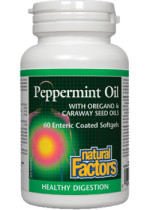
NATURAL FACTORS PEPPERMINT OIL COMPLEX PLUS OREGANO OIL SUPPORTS HEALTHY DIGESTION AND MORE. Natural Factors Peppermint Oil Complex recommended by Dr. Michael Murray for digestion concerns, particularly IBS (Irritable Bowel Syndrome). Containing peppermint oil, which has been clinically proven to help soothe the intestinal walls and provide relief to the symptoms of IBS. Plus Oregano Oil (ant...
+ Earn 14 Reward PointsSale: $14.99
Reg.: $21.99 (Save $7.00)
In Stock -

DIGESTIVE SUPPORT WITH PEPOGEST FROM NATURE'S WAY Pepogest provides natural gastrointestinal comfort. The essential oil found in peppermint leaves soothes the occasional disruptions in the bowel often caused by nervousness, overeating and/or changes in the diet. [SOFTGEL]
+ Earn 13 Reward PointsSale: $13.99
Reg.: $19.99 (Save $6.00)
In Stock -

ORGANIC PEPPERMINT TEA. Traditional Medicinal's Peppermint tea promotes healthy digestion by relieving mild gastrointestinal tract conditions that occur after eating. Mint leaves have been used in medicine for several thousand years according to records from the Greek, Roman and ancient Egyptian eras. Peppermint tea is traditionally used as a digestive aid for occasional indigestion, and it i...
+ Earn 4 Reward PointsSale: $4.99
Reg.: $5.99 (Save $1.00)
In Stock -

180MG PEPPERMINT OIL FROM NOW FOODS Now Foods Peppermint Oil is an extremely potent form of the ancient herb Peppermint. Now Foods added Ginger and Fennel Oils for their synergistic effects. Now enteric coat the softgels to allow the three herbal oils to pass through the stomach and release within the intestines. [SOFTGELS]
+ Earn 16 Reward PointsOur Price: $16.99Out of Stock
Get Notified When in Stock
-

Organic Peppermint Essential Oil Pearls from Pranarom contain 100% pure and natural essential oil from mentha x piperita (Peppermint essential oil). Peppermint is Traditionally used in Herbal Medicine to help with digestion, relieve flatulent dyspepsia and relieve nausea and vomiting. Medicinally, peppermint is known as a carminative, an herb that decreases gas and bloating. It can also decreas...
+ Earn 16 Reward PointsOur Price: $16.49Out of Stock
Get Notified When in Stock
Peppermint And Digestive Health
The Laminaceae family counts roughly 7,000 species worldwide, primarily in
temperate and subtropical regions. Mint, like peppermint, is part of the Lamiaceae family, alongside basil, rosemary, thyme, sage, oregano, and lavender. Plants in the mint family typically have aromatic leaves and produce essential oils used in flavourings, perfumes, and medicinal preparations. The family also includes some non-aromatic plants, such as the salvia species.
Peppermint is a hybrid plant, also known as Mentha × Piperita, that is a cross
between water mint (Mentha aquatica) and spearmint (Mentha spicata). It is
widely recognized for its aromatic qualities and is commonly used in culinary,
medicinal, and cosmetic applications. It has a distinctive minty scent and flavour, which comes from menthol, the main active compound in
the plant's essential oil.
Peppermint is commonly used to add a refreshing taste to various foods,
beverages, and desserts, including candies, chocolates, ice creams, and
herbal teas. It has also long been used in myriad therapeutic applications, including to relieve digestive issues, such as indigestion, bloating, and stomach cramps. It is also used topically to relieve headaches, muscle aches, and itching. Moreover, peppermint can be helpful to clear nasal congestion and soothe sore throats when sipped in tea form.
Benefits Of Peppermint For Digestion
Peppermint has long been associated with digestive health. Among its many
benefits, it has been shown to:
Relieve Indigestion – peppermint has carminative properties, so it helps to
relax muscles in the gastrointestinal tract, reducing symptoms of indigestion
such as bloating, gas, and stomach discomfort.
Alleviate Irritable Bowel Syndrome (IBS) Symptoms – Peppermint oil
effectively relieves irritable bowel syndrome (IBS) symptoms, including
abdominal pain, bloating, and altered bowel habits. It helps to relax intestinal
muscles, reduce spasms, and improve overall gut function.
Ease Nausea and Vomiting – The aroma of peppermint has been shown to
have antiemetic properties, alleviating nausea and reducing the urge to
vomit. Sipping peppermint tea or using its oil in aromatherapy can
effectively relieve nausea.
Support Healthy Digestive Function – Peppermint stimulates the flow of
bile, which aids in the digestion of fats. It also promotes the secretion of
digestive enzymes, supporting the breakdown and absorption of nutrients.
Reduce Heartburn – Peppermint can reduce symptoms of heartburn and
acid reflux by relaxing the lower esophageal sphincter, which prevents
stomach acid from flowing back into the esophagus.
Soothe Upset Stomach – Peppermint has a cooling effect and can help
soothe an upset stomach. It is commonly used to relieve stomach aches,
cramps, and diarrhea.
Peppermint – Forms, Formats, & Potency
The leaves of the peppermint plant are rich in essential oils and are used in
various forms, including fresh leaves, dried leaves, essential oil, or as an
ingredient in products such as teas, candies, chewing gums, toothpaste, and
beauty products. It also comes in a digestive health supplement
form, as capsules or softgels.
The appropriate dose of peppermint can vary depending on several factors,
including the specific product in question, the concentration of peppermint
oil in the capsules, and individual health considerations. It is always important to follow the instructions provided by the manufacturer or consult with a qualified healthcare practitioner for personalized advice.
Final Thoughts
While it is generally well tolerated, some individuals may be more
sensitive to its effects. Peppermint oil, in particular, can cause heartburn or
worsen symptoms in some people with gastroesophageal reflux disease (GERD).
Check with your health care practitioner before taking peppermint if you're
taking medications like cyclosporine, simvastatin, lovastatin, ketoconazole,
and drugs to reduce stomach acids like antacids, H2 blockers, and proton
pump inhibitors.
Back to Top ↑








