

Ph - Basic - 90 Caps - Enzymedica

We're sorry, we no longer carry this item.
Check These out
Suggested, Similar, & Related Products:

Sale: $37.99
Reg.: $44.99 (Save $7.00)
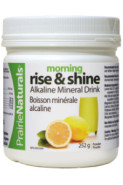
Sale: $44.99
Reg.: $74.99 (Save $30.00)
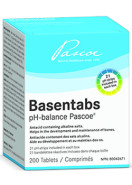
Sale: $42.95
Reg.: $45.50 (Save $2.55)
Sale: $30.75
Reg.: $39.45 (Save $8.70)

Sale: $25.99
Reg.: $29.99 (Save $4.00)
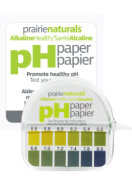
Sale: $9.99
Reg.: $14.99 (Save $5.00)

Sale: $27.99
Reg.: $49.99 (Save $22.00)

Sale: $16.99
Reg.: $19.99 (Save $3.00)
Sale: $29.95
Reg.: $31.25 (Save $1.30)
Or, Shop our Latest Deals:
Shop Now >- 30mg
- Calcium (algae)
- 4mg
- Magnesium (algae, magnesium citrate)
- 7mg
- Sodium (sodium bicarbonate)
- 47mg
- Potassium (potassium bicarbonate)
- 40mg
- Herbal Blend Marshmallow root, Papaya leaf
- 2500DU
- Amylase (thera-blend)
- 600CU
- Cellulase (thera-blend)
- 200 Endo-PGU
- Pectinase w/ Phytase
- 220 FCCFIP
- Lipase (thera-blend)
- 1000 HUT
- Protease(thera-blend)
Always take 1 hour before or 2 hours after a meal (empty stomach).
 Capsules
90 Caps
For maintenance, take 1-2 capsules before bed with at least 6 oz. of water. For therapeutic effect: 1 in the morning, 1 in the afternoon, and 2 before bed.
- Balancing
- Proven effective
- Synergistic blend of minerals, enzymes, super-foods and herbs
- Elevates body's pH
- Easy to swallow capsule

- Reviews
- POST A NEW REVIEW
pH Balance and Enzyme Optimization - The term pH stands for "potential" of "Hydrogen". It defines the amount of hydrogen ions in a particular solution. The more ions, the more acid the solution. The fewer ions the more alkaline (base) the solution. pH is measured on a scale of 0 to 14 with seven being neutral. The lower the pH number the more acidic it is and the higher the number the more alkaline. For example, a pH of 3 is more acidic than a pH of 5 and a pH of 9 is more alkaline than a pH of 6.
As humans, a normal pH of all tissues and fluids of the body (except the stomach) is slightly alkaline. The most critical pH is in the blood. All other organs and fluids will fluctuate in their range in order to keep the blood a strict pH between 7.35 and 7.45 (slightly alkaline). This process is called homeostasis. The body makes constant adjustments in tissue and fluid pH to maintain this very narrow pH range in the blood.
To be too acidic in the body can have far reaching consequences. For example, if the blood becomes too acidic the body will balance pH at all costs. This can lead to common symptoms which include but are not limited to digestive concerns such as occasional heartburn, acid reflux, indigestion and irregularity, poor metabolism, difficulty concentrating, low energy levels, and an imbalances in our hormones or weight. Similar problems may occur if we become too alkaline, though this is much less likely. Obviously, maintaining the proper pH in the blood, digestive tract, tissues and fluids is essential in supporting optimal health.
pH-Basic is formulated to assist in balancing the pH of individuals who are either too acidic or too alkaline.
How to Test Your Acid-Base Balance
The pH scale runs from zero to 14, with zero being full acid and 14 being fully alkaline. A pH of 7 is neutral, and is the pH of good quality water. It is relatively easy to test your own pH at home. There are widely available commercial pH strips or rolls that you can purchase online or from your local drug or health food store. You can tear off one strip and use it to test your first morning saliva or your second morning urine using the comparative chart it comes with. Trying to get your pH to be closer to neutral (between 6.2 and 7.4) is generally the goal, although exact aims may vary depending on any underlying health conditions or concerns you may have. If you are unsure of what your level should be, please consult your healthcare provider for more details.
Alkalinizing the Body
Changing the diet to foods that promote alkaline conditions helps to ease the body's burden and eliminate the need to pull calcium from the bones and protein from the muscles. It is theorized that an alkaline diet helps to reduce or eliminate low-grade metabolic acidosis, which allows the body's metabolic processes to continue at their optimal rates. Foods that contain higher levels of potassium are alkalinizing, as potassium can act as a natural buffer in the bloodstream. Ingesting more potassium salts is beneficial and can also help us avoid ingesting as much sodium, a mineral involved in hypertension, and cardiovascular disease. Another way of increasing alkalinity is to ingest more sodium bicarbonate (baking soda) in your diet, as bicarbonate is a strong base, and a direct means of alkalinizing your body. Fruits and vegetables are rich in potassium bicarbonate, and are an easy and natural way to alkalinize your diet. In addition to dietary changes, supplementation can be beneficial to increasing your alkalinity. Some examples of alkalinizing supplements are:
Calcium
This mineral plays an integral role in many processes in our body and many aspects of our metabolism. The role of greatest interest here is its use by the body in buffering the blood during metabolic acidosis. For more information on calcium supplementation, please click here and read "Acid-Base Balance in the Body" above.
Magnesium
Much like calcium, magnesium is a mineral that is integral to our normal enzymatic functioning and the working of our muscles. Supplementation can help to improve the absorption of calcium and further increase alkalinity.
Potassium
This mineral is one of the major contributors to alkalinizing the body. It is extremely beneficial, but supplementation must be done very carefully. Excessive amounts of potassium can result in heart palpitations and even cardiac arrest. For more information please click here.
Greens Powder
Because many people find it difficult to eat their 5-10 servings of fruits and vegetables on a daily basis, supplementing with a greens powder can help you to get most of the vitamins and nutrients you are missing out on and can also help to shift your body towards alkalinity.
Chlorophyll
Chlorophyll is the molecule found in plants that gives the leaves their green colour. It closely resembles the structure of the oxygen-carrying molecule in our blood called hemoglobin. Ingestion of chlorophyll, much like the ingestion of vegetables can help to improve alkalinity in the body.
Controversy
The acid-alkali or acid-ash diet, and other similar diets have become the focus of significant attention in the last decade or so. Although the theory behind the health benefits of increasing alkalinity in the diet was initially developed nearly a century ago, there is still a lot of controversy regarding the health benefits to this day. There is positive research showing benefit to bone health (reduced bone mineral resorption) with an increase in dietary alkalinity. On the other hand, a 2011 meta-analysis combining the results from a large number of different studies found that despite this positive effect on bone health, there was no overall effect on reducing osteoporosis. As for the other benefits, there is very little reliable research available. The final answer here is still unclear, but improving your diet in a way that reduces acidity is in line with changes that have been well established to reduce inflammation and improve your overall health. Increasing fruits and vegetables has been long established as beneficial to health in a wide variety of different ways, and can easily be seen as a means of improving wellness.
Important Information
The acid-base balance in our bodies is under extremely tight metabolic control. Exceeding the recommended dosages of supplements can be detrimental to this balance. Certain supplements such as potassium can be extremely dangerous when abused, please follow label recommendations carefully. The effects of the alkalinizing during pregnancy and breast-feeding has not been sufficiently studied, so radical dietary and supplementation changes during these times should not be attempted without consulting a healthcare professional. It can be noted that eating 5-10 fruit and vegetable servings during pregnancy and breast-feeding has been shown to be extremely beneficial, and increased intake of these foods is encouraged.
Back to Top ↑








