

Prostate Protect - 120 Caps - Health First

We're sorry, we no longer carry this item.
Check These out
Suggested, Similar, & Related Products:
Sale: $14.99
Reg.: $16.99 (Save $2.00)
Sale: $46.99
Reg.: $69.99 (Save $23.00)

Sale: $52.79
Reg.: $65.99 (Save $13.20)
(Click Add to Select Bonus)
Sale: $11.99
Reg.: $19.99 (Save $8.00)

Sale: $28.45
Reg.: $35.95 (Save $7.50)
Sale: $29.99
Reg.: $48.99 (Save $19.00)
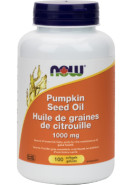
Sale: $12.99
Reg.: $16.99 (Save $4.00)
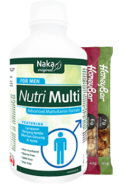
Sale: $36.99
Reg.: $69.99 (Save $33.00)
(Click Add to Select Bonus)

Sale: $55.97
Reg.: $57.97 (Save $2.00)
(Click Add to Select Bonus)
Or, Shop our Latest Deals:
Shop Now >- 350 mg
- Pumpkin Seed Oil (Curcurbitapepo)
- 240 mg
- Phytosterols (GMO-free) from soy bean
- 107 mg
- Beta Sitosterol (plant)
- 68 mg
- Stigmasterol (plant)
- 57 mg
- Campsterol (plant)
- 180 mg
- Saw Palmetto Fruit Oil (Serenoa repens) (90% fatty acids)
- 100 mg
- Nettle Root 20:1 extract (Urtica dubia)
- 100 mg
- Tomato fruit extract (Lycopersicon esculentum) (Lycopene 5%)
- 100 mg
- Cranberry fruit 25:1 extract (Vaccinium macrocarpon) (2500 mg crude equivalent)
- 60 mg
- Rye Flower Pollen 20:1 extract (Secale cereale)
- 100 mcg
- Selenium (Selenomethionine)
- 100 IU/2.5 mcg
- Vitamin D3 (Cholecalciferol)
Unbleached lecithin, yellow beeswax, soybean oil, gelcap shell (gelatin, glycerin, purified water), coating: carob, glycerin.
Free from artificial flavours, artificial colours, gluten, wheat, lactose, preservatives, added sugar and yeast. Risk information: See below.
 Softgels
120caps
Take 2 gelcaps daily, or as directed by a health care practitioner. Take away from dairy products or animal fat. Use for a minimum of 3 months and for longer use consult a health care practitioner.
- Reduce BPH discomfort
- Prostate Health
- Supplies Vitamin D
- Antioxidant Support
- Easy to swallow gelcap

- Reviews
- POST A NEW REVIEW
Helps relieves BPH urinary symptoms
Prostate Protect is one of the most complete prostate formulas available. Delivering an effective dose of Phytosterols together with complementary plant oils and herbs, Prostate Protect helps to relieve the urologic symptoms associated with benign prostatic hyperplasia (BPH). It also provides long-term prostate health support with Vitamin D and antioxidants Lycopene, Selenomethionine and Cranberry.
Health First's Prostate Protect was formulated with immediate and long-term prostate health in mind. For fast relief of BPH urinary difficulties, Prostate Protect contains a combination of nature's most effective plant-based ingredients such as phytosterols, saw palmetto, pumpkin seed oil, rye pollen extract and nettle root. To help prevent the development of more serious prostate conditions, Prostate Protect contains Lycopene, Selenium, Vitamin D and Cranberry. With these two functions, Prostate Protect is one of the most complete prostate formulas available.
Natural Ingredients for prostate health:
Phytosterols In controlled, double-blind studies, beta-sitosterol has been shown to (Beta-Sitosterol) increase urine flow and reduce residual urine volume in individuals with BPH. Beta-sitosterol also significantly improved overall "quality of life" in BPH sufferers. In Europe, beta-sitosterol is given as a recommendation for BPH treatment.
Saw Palmetto Fruit The berries of the saw palmetto plant reduce prostate inflammation, swelling and reduce the hormone absorption which leads to BPH. In clinical trials, Saw Palmetto equaled the recommendation drug Proscar for effectiveness in relieving BPH symptoms.
Pumpkin Seed Oil Pumpkin seed oil contains fatty acids, caretenoids, vitamins and phytosterols. It works well together with saw palmetto in relieving BPH symptoms. Pumpkin seed has anti-inflammatory properties and it also acts as a diuretic to ease bladder discomfort. Research in animals indicates it can improve bladder and urethral functions.
Rye Pollen Extract In clinical studies, Rye Pollen Extract was shown to be efficacious in reducing BPH symptoms in 85% of cases. Improves nocturia (urge to urinate at night). Also helps to relax bladder muscles, which can ease urine flow. There also preliminary evidence that with long-term use, rye pollen extract can reduce prostate size.
Nettle Root In addition to relieving frequent urination and weak urinary flow, nettle root also helps to stop the conversion of testosterone to dihydrotestosterone, the major cause of cell growth leading to prostate enlargement.
Lycopene An extract from tomatoes, lycopene has been shown to reduce the risk of prostate cancer. While the intake of many fruits and vegetables are associated with reduced cancer risk, tomato-based foods containing lycopene have shown the most promising results.
Selenium(Selenomethionine) Selenium is an important mineral with antioxidant effects that maintain healthy body cells and tissues. One large study showed selenium intake lead to a 63% decrease in incidence of prostate cancer.
Vitamin D Vitamin D deficiency is associated with a higher risk of several cancers, particularly prostate cancer. Canadians are commonly deficient in Vitamin D because of lack of sun exposure, especially during dark, winter months.
Cranberry Extract Cranberry extract has several benefits relating to prostate conditions. First, cranberry helps prevent urinary tract infections from developing, which can occur when urine is being retained instead of excreted. Second, cranberry extract contains flavonoid compounds that reduce the risk of hormonal related cancers.
Prostate Health
Getting up frequently at night, pain in the groin, painful urination, and reduced sexual function - all symptoms of common prostate conditions. Read on to discover how nutritional supplements and herbs can help...
The prostate is the organ responsible for producing the fluid part of seminal emissions, helping to control the flow of urine, and for the contractions that cause ejaculation during orgasm. It's no wonder that when a man has a concern with his prostate that it can be troublesome.Prostate problems occur when the gland becomes infected or swollen. Infection can occur directly in the prostate or it can be a complication of a urinary tract infection. The most common prostate condition is benign prostatic hyperplasia (BPH). It occurs in men over the age of fifty (but can occur earlier) due to hormonal imbalances, heredity, poor diet, nutrient deficiencies or high cholesterol. The growth of malignant or benign tumours can also cause prostate swelling. It is important to have your prostate monitored by your doctor. Your PSA level (prostate specific antigen) can indicate the degree of enlargement; it can also indicate whether or not you are at risk for cancer. Make at least yearly appointments past age forty for this test.Symptoms of prostate inflammation can be mild if it develops slowly or intense if it develops quickly. Prostate infections cause fever, chills, lower back pain, rectal pain, urgency for stool and urination and painful urination. The urine can be blood or pus filled. Chronic infections may cause mild, local discomfort and may result in painful ejaculation or erection. Conventionally prostate infections are treated with antimicrobial medications. They must be fairly powerful because it is difficult to get enough medication to the prostate due to its poor blood supply. Make sure to replace the helpful bacteria in your system with a probiotic supplement after antimicrobial therapy.Chronic prostatitis is not often related to a bacteria or the development of prostate cancer. Treatment is also more difficult because the exact cause is poorly understood. Treatment may include antibiotics, although more commonly chronic prostatitis is treated with alpha blockers, as in BPH. Tamsulosin and alfuzosin are two common alpha blockers. They serve to help relax the muscles of the prostate and bladder neck, thereby improving symptoms such as urinary retention. These medications have no effect on size or inflammation of the prostate.BPH affects one in three men over age 50. Symptoms appear when the prostate becomes large enough to interfere with urination. Dribbling, frequent and urgent urination occur and often cause men to wake at night to urinate. Starting and stopping urination can be difficult. When bladder emptying is impaired there is an increased risk for the development of urinary stones and infections. Drug therapy for BPH uses finasteride, which blocks the conversion of testosterone into dihydrotestosterone (DHT). DHT stimulates the growth of prostate cells. Side effects of drug therapy include impotence, decreased libido and difficulty detecting prostate cancer.
Risk information: Not to be used by women and children or people with hypotension or hypertension. Consult a health care practitioner prior to use if you are taking blood thinners, diabetes and/or blood thinner medication have a history of heart and/or kidney diseases, or non-melanoma skin cancer. Discontinue if you experience nausea, headache, dizziness or gastrointestinal discomfort. If symptoms persist after 6 months, consult a health care provider.
Back to Top ↑








