

Calendula (Marigold)
Discover Calendula's Health Benefits
Calendula (Calendula officinalis)tincture, supplements and creams come from a vibrant and versatile herb that has captured the fascination of both ancient civilizations and modern natural health enthusiasts. Its origins can be traced back to the Mediterranean region, where it has been cultivated for centuries. Read more >-
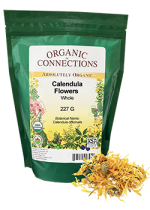
The calendula flower is a small yellow flower, that looks like a cross between a baby sunflower and marigold, which makes sense considering it’s part of the sunflower family. For many years, the flower has been used in herbal combinations supporting muscle spasms and women’s health. Organic Connections harvests the calendula flowers in a way that cares for the planet, following certified organi...
+ Earn 10 Reward PointsSale: $10.99
Reg.: $13.51 (Save $2.52)
Out of Stock
Get Notified When in Stock
Calendula Tincture Supplements
Calendula (Calendula officinalis)tincture, supplements and creams come from a vibrant and versatile herb that has captured the fascination of both ancient civilizations and modern natural health enthusiasts. Its origins can be traced back to the Mediterranean region, where it has been cultivated for centuries.
In antiquity, calendula was revered not only for its beauty but also for its multiple impressive medicinal applications. Indeed, calendula has long been a staple in traditional healing practices, often used topically to soothe skin irritations, treat wounds, and alleviate pain and discomfort. Its bright orange and yellow petals earned it the nickname "marigold," and it was often associated with symbolism in different cultures, signifying things like love, passion, and even protection.
Biochemically speaking, the calendula plant contains unique active compounds, including triterpene saponins (oleanolic acid glycosides), triterpene alcohols (α-, β-amyrins, faradiol), flavonoids (quercetin and isorhamnetin), all which impart it with its numerous health benefits.
Today, calendula's medicinal applications have endured, with modern herbalists and natural medicine practitioners harnessing its anti-inflammatory and antiseptic properties to create creams, ointments, and salves for all sorts of skin conditions. Calendula-infused oils are also a go-to for skincare enthusiasts seeking natural remedies for dryness, eczema, and even minor cuts, scrapes, and burns. Let’s take a closer look at the numerous medicinal applications of calendula.
Therapeutic Applications Of Calendula
- Anti-Inflammatory Effects: Calendula possesses robust anti-inflammatory properties that help reduce inflammation when applied topically as well as when consumed.
- Antioxidant Properties: Calendula is rich in antioxidants, which help protect cells from oxidative stress and free radical damage.
- Gastrointestinal Health: Calendula tea and extracts support digestive health and can soothe stomach ulcers and reduce gastrointestinal inflammation.
- Immune Support: Calendula tincture and supplements possess solid anti-inflammatory and antimicrobial properties, and studies have shown that it can effectively stimulate the immune system and help protect the body against infections.
- Menstrual Relief: Calendula supplements are excellent at alleviating menstrual cramps and discomfort.
- Oral Health: Calendula-infused mouthwashes or rinses help reduce oral inflammation and gum bleeding and promote oral hygiene.
- Pain Relief: The topical application of calendula helps alleviate pain and swelling associated with minor injuries and skin conditions. Orally administered calendula can also effectively soothe pain.
- Skin Health: Calendula is often used topically to soothe and heal all skin conditions, such as cuts, wounds, burns, insect bites, and rashes.
- Wound Healing: Calendula tincture contains unique compounds that have been shown to promote collagen synthesis, accelerating wound healing and tissue repair.
Calendula Tinctures & Supplement Varieties
Calendula supplements come in various forms to cater to different preferences and needs. The most common is calendula oil, extracted from the calendula flower's petals, and is used topically to soothe pain. Calendula creams and ointments are also popular for skincare purposes. Calendula supplements are also widely available for internal use in capsules, tablets, or tinctures. Additionally, calendula tea, made from dried calendula flowers, can be brewed into a soothing herbal infusion that can be enjoyed for its subtle floral flavours and robust medicinal qualities.
Shopping For Herbal Supplements
Calendula's traditional uses extended beyond medicine. In fact, it was a common ingredient in dishes, lending a subtle and slightly peppery flavour to soups, salads, and stews. Indeed, today, calendula's culinary appeal remains undiminished. It is still commonly used to add colour and flavour to salads, main dishes, and desserts.
Back to Top ↑








