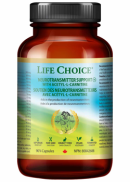
- 200 mg
- Acetyl-L-CarnitineC
- 100 mg
- R-Alpha Lipoic Acid
- 100 mg
- L-Threonine
- 50 mg
- L-Tyrosine
- 50 mg
- DMG (dimethylglycine (n- dimethylglycine))
- 25 mg
- GABA (gamma-aminobutyric acid)
- 25 mg
- Pantothenic acid (calcium d-pantothenate)
- 17 mg
- Potassium (potassium citrate)
- 10 mg
- Coenzyme Q10
- 10 mg
- Vitamin B3 (niacinamide)
- 10 mg
- Vitamin B6 (pyridoxal 5-phosphate)
- 5 mg
- L-Glutathione Reduced
- 4 mg
- Zinc (zinc picolinate 20 mg)
- 2 mg
- Manganese (manganese citrate)
- 250 mcg
- Folic Acid (folate- 5-MTHF)
- 250 mcg
- Vitamin B12 (methylcobalamine)
- 75 mcg
- Selenium (sodium selenate)
- 50 mcg
- Chromium (chromium picolinate)
- 45 mcg
- Molybdenum (molybdenum citrate)
- 45 mcg
- Boron (boron citrate)
- 45 mcg
- Copper (cupric citrate)
Cellulose, Hypromellose – all from vegetable source. 100% pharmaceutical grade ingredients. Free form, fermented amino acids.
Contains no: wheat,corn,yeast,soy or dairy
For occasional use only. Consult a health care practitioner for use beyond 4 weeks.
 Veggie Caps
90 V-caps
Adults: Take 2 capsules twice daily with food a few hours before or after taking other medications, or as directed by your health care practitioner.
- Brain Health
- Neuronal Function
- Memory Support
- Cognitive Boost
- Rich in Antioxidants

Nutraceutical Vitamins, Minerals & Advanced Wellness Supplements
Life Choice Ltd. is a Canadian Nutraceutical Company, founded in 1986 by Eldon Dahl. Life Choice uses pharmaceutical standards and their precise formulations are designed to be natural alternatives to allopathic medicine. Life Choice brings you award winning products like DMAE Liquid and Gel, DMSO, Kava Kava and Adrenal Gland. Read more >- Reviews
- POST A NEW REVIEW
Reviews By Rating
helpful votes
0
0 customers found this product review helpful
ACETYL-L-CARNITINE – In a 2010 Tokyo study, the aged rats were supplemented with Acetyl-L-Carnitine to determine its effects on memory, learning capacity, and brain synaptic functions. For 3 months, 344 rats were given Acetyl-L-Carnitine (100 mg/kg bodyweight). At the end of the study, the scientsists concluded that Acetyl-L-Carnitine increases synaptic neurotransmission in the brain and consequently improves learning capacity in aging rats.
R-ALPHA LIPOIC ACID (R-ALA) – R-ALA reduces cataract formation, and reduces oxidative stress in the heart muscle while raising levels in the heart and liver. It also lowers glucose levels by increasing insulin metabolism and decreases numbness in Diabetics, increases energy levels within the brain cells, can decrease LDL cholesterol and remove protein oxidation for a healthy heart, and inhibits free radicals more effectively than vitamin E.
L-THREONINE – Threonine is an essential amino acid and not synthesized by humans. Threonine supports cardiovascular, liver, central nervous, and immune system function. Threonine combines with the amino acids aspartic acid and methionine to help liver digest fats and fatty acids. L-threonine has been tried for ALS because, like BCAAs, it affects glutamate metabolism. Open trials and one double-blind study have shown some short-term improvement in symptoms. The research also demonstrated that symptoms of Multiple Sclerosis (MS), another disease that affects nerve and muscle, are alleviated with threonine treatment. Threonine is an immunostimulant, which promotes the growth of thymus gland.
L-TYROSINE – L-Tyrosine has been proposed as a treatment for various conditions in which mental function is impaired or slowed down, such as fatigue and depression. It has also been tried for attention deficit disorder (ADD). Preliminary evidence, including small, double-blind trials, suggests that tyrosine supplements may help fight fatigue and improve memory and mental function in people who are deprived of sleep or exposed to other forms of stress.
PANTOTHENIC ACID – Pantothenic acid is used in the manufacture of hormones, red blood cells, and acetylcholine, an important neurotransmitter (a signal carrier between nerve cells).
CO ENZYME-Q-10 – “C0-Q-10” prevents oxidation of the cell membrane and mitochondria within the cell, thereby preserving youthful neurological function, and protecting the capillaries from becoming fragile; it also enhances cerebral oxygenation.
METHYLCOBALAMIN – The neurologically-active form of vitamin B-12, Methylcobalamin is effective in slowing the progression of untreatable diseases and neurological aging. Japan’s scientific literature reveals 334 published studies on methylcobalamin; the studies consider the treatment beneficial for any neurological disease. For example, in patients with MS their cynocobalamin is destroyed, and methylcobalamin attempts to reverse this process.
DMG (DIMETHYLGLYCINE) – DMG is a dietary supplement which supports the immune, circulatory, and cardiovascular systems. It is useful for controlling epileptic seizures, and for improving neurological functions, as well as muscle recovery and endurance. DMG is a nutrient that is found in the cells of both plants and animals. The human body produces DMG in very small amounts. Supplementing the diet with higher levels of DMG greatly improves the nutritional environment of the cell. DMG has been found effective in supporting immune system function and better utilization of oxygen at the cellular level.
GABA (GAMMA AMINO BUTYRIC ACID) – The ability of the limbic system and the rest of the brain to communicate in an orderly manner depends critically on inhibition. GABA inhibits the cells from firing, diminishing the anxiety-related messages from reaching the cortex. GABA, glutamine and glycine are vital for energy and the smooth running of the brain functions. B6 (pyridoxine) is GABA’s most important partner.
What Life Choice Neurotransmitter Support is for?
Life Choice Neurotransmitter Support is a wonderful product which was created to support your memory, cognitive ability and mood.
Is Neurotransmitter Support helpful with Alzheimer’s and Dementia disorders?
Neurotransmitter Support could help reduce the risks of developing Alzheimer’s and Dementia. It also helps in the production of neurotransmitters.
What is the source of raw materials in Neurotransmitter Support?
Sourcing the raw materials for Neurotransmitter Support is one of our most challenging products to make due to the limited global quantity of the branded raw materials as most is reserved for pharmaceutical applications. Neurotransmitter Support is comprised of 21 ingredients that all directed for brain health, coming from 5 separate manufacturers around the globe, and 10 of these ingredients are branded and reserved to Life Choice by contract to preserve the clinical science and integrity of the ingredients.
Recommended Use: Source of precursors involved in production of neurotransmitters . An antioxidant and provides antioxidants for the maintenance of good health. A supplement, multi-vitamin, multi-mineral. Helps to maintain immune function, and to form red blood cells by supporting healthy glucose metabolism. Helps in connective tissue formation and repair, and in normal growth and development. Helps the body to metabolize carbohydrates, fats, and proteins and to maintain healthy skin and in the development and maintenance of bones. Helps to prevent zinc, niacin, pantothenic acid, molybdenum,vitamin b6, manganese, selenium, chromium, folate, and vitamin B12 deficiencies.
Caution/Risk information: Consult a health care practitioner prior to use if you are following a low protein diet,Taking blood pressure medication, have a history of non-melanoma skin cancer, have a disorder of the kidney or liver, or if you have diabetes. Consult a health care practitioner prior to use if you have epilepsy, seizure or spasticity or other neurological based conditions. Consumption with alcohol, other medications or natural health products is not recommended. Some people may experience drowsiness. Exercise caution if operating heavy machinery, driving a motor vehicle, or involved in activities requiring mental alertness. Do not use if you are pregnant or breastfeeding.
Brain & Nervous System Health
In aconstantly changing world full of stress, toxins, television, andcomputers, staying alert and sharp can be a challenge; supplements and herbs can help you focus when you need to the most.
It sends the information to the brain and, if necessary, the brain responds by sending a signal to muscles via peripheral nerves.The body then performs an appropriate action. Most of the sections, except for reflexes, are under our control. The autonomic nervous system is beyond our conscious control. It is involved in regulating internal organs and maintaining a stable inner environment.
The primary component of brain tissue is fat. Picture your brain as a firm jelly, bathed in fluid and protected by a membranous coating. The coating provides a barrier that allows only certain substances access to the central nervous system. The nerves are like very thin wires that are sheathed in fat to insulate them. The nerves run through the spinal column, entering and exiting at different levels, depending on the area they innervate.
There are many degenerative conditions that affect the brain. Three of the more common conditions are described below:
Alzheimer'sDiseaseis a progressive loss of mental function that interferes with one's ability to function. A decrease in cognitive ability is quite common as we age; however, Alzheimer's disease involves actual degeneration of nerve cells in the brain.
Multiple sclerosis causes a breakdown of the myelin sheath surrounding the nerves of the brain and spinal cord. Without a sheath, the nerve cannot effectively conduct information around the body.
Parkinson'sdiseaseis a degenerative brain disease that results in the death of cells responsible for the production of dopamine and acetylcholine. These chemicals transmit nerve signals and when they are lacking one loves involuntary muscle control.Although the brain and nervous system are somewhat protected from factors which can invade other body cells, its segregation also makes it prone to the build-up of toxins and other harmful agents. Because it contains a significant amount of fat, fat-soluble toxins like heavy metals, and environmental chemicals, like DDT, can concentrate in the brain.
The symptoms of brain toxicity vary depending on the area of the brain that is affected and the agent involved.
Poor diet hampers the functioning of the central nervous system because it is an extremely vital area that has high metabolic requirements. The brain uses only the sugar, glucose, for energy. Unlike other body cells, it cannot use protein or fat sugar is unavailable. Everyone has felt the foggy feeling in your head when your brain is lacking sugar. And then, after consuming a sugary snack or drink, the temporary increase in alertness you feel.
Fluctuating blood sugar is not conducive to optimal brain functioning and can become a more serious medical concern in the conditions hypoglycemia and diabetes.
Fats, amino acids, and vitamins must also be in abundant supply for nervous system functioning. The brain and nerve sheaths are made of fats that are deficient in the standard North American diet. This results in compromised nerve conduction and brain cell communication. amino acids are obtained in the diet from protein and makeup neurotransmitters. Neurotransmitters are nervous system hormones that coordinate brain cell functions. Several vitamins, especially B vitamins, are important for the production of neurotransmitters and the efficiency of nerve transmissions.
Stress and emotional upset impact on brain functioning in several ways. Firstly, it depletes neurotransmitters. Stress also keeps the body in the sympathetic state; the body is on alert. All of the body senses are ready and the digestion of nutrients is compromised. Finally, stress leads to a build-up of damaging agents called free radicals. Free radicals have been associated with the degeneration of nervous system.
Back to Top ↑