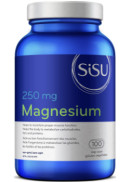
- 250mg
- Magnesium (magnesium malate*, magnesium oxide)
Non-medicinal ingredients:
Magnesium stearate (vegetable), silicon dioxide, microcrystalline cellulose. Hypromellose
Contains no dairy, wheat, gluten, corn, soy or peanuts.
 Capsules
100 Caps
Take 1 capsule per day with food, or as directed by a health professional.
- Useful in any situation where magnesium is recommended for preventive or therapeutic benefit
- Especially useful for the control of elevated blood pressure and stress-induced damage to the cardiovascular system
- In combination with malic acid, magnesium is of benefit to fibromyalgia sufferers
- Migraines may also be reduced through regular use of a magnesium supplement
- Well absorbed & Easy to swallow capsules

- Reviews
- POST A NEW REVIEW
Magnesium 250 mg From Sisu
Helps to maintain proper muscle function. Helps the body to metabolize carbohydrates, fats and proteins.
Magnesium is the second most abundant mineral inside the body's cells and is essential for hundreds of cellular reactions and the health of every organ. It is found in whole grains, nuts and green leafy vegetables but is one of the nutrients lost during cooking and processing. Magnesium is also depleted by the use of certain medications (antibiotics, diuretics, oral contraceptives) and the consumption of alcohol, processed meats and soda drinks. Researchers conclude that a significant proportion of North Americans consume less than they need. To compound our deficient diet, our need for magnesium increases when we are under stress or experiencing digestive difficulties things that affect all of us from time to time. Magnesium deficiency is difficult to diagnose and is not associated with any symptoms at first but inadequate magnesium reserves may contribute to many conditions including cardiovascular disease, diabetes, muscle pain and weakness, migraines and headaches. Supplemental magnesium has been recommended by health professionals for decades as it plays a crucial role in our physiology, allowing our bodies (including our cardiovascular system) to function properly.
Product Information
- 250 mg of elemental magnesium from magnesium malate and the natural oxide form
- Magnesium malate is made by combining a natural magnesium complex with malic acid
- Provides the approximate equivalent of 450 mg malic acid per capsule
- Malic acid is made in the body and is also found naturally in many fruits including apples and sour cherries. It is a safe food ingredient used to flavour sour candies and some wines
- Take with food and spread the daily dosage throughout the day to reduce the likelihood of gastric side effects because too much magnesium can induce diarrhea
- Fast dissolving capsule form
- Now available in a vegetarian capsule
- Suitable for vegans
- GMP manufacturing standard
- Tested for guaranteed purity and potency
- NPN approved
SISU Advantages
Magnesium & Cardiovascular Health
Magnesium is an important mineral for cardiovascular health, working in concert with calcium to regulate the heart's electrical activity.
Under stress, the body produces substances called catecholamines and corticosteroids (including adrenalin). These substances prepare the body for "fight or flight" and are a survival mechanism. Released once in a while, they do no harm. When stress is prolonged or mismanaged, however, these chemicals antagonize magnesium metabolism, causing an increased amount of magnesium to be excreted in the urine. This reduction in magnesium levels increases the risk of cardiovascular damage through thrombosis and cardiac arrhythmias.
High Blood Pressure
Magnesium is effective in reducing high blood pressure, and supplementation is an important part of any program to keep blood pressure within acceptable limits. The precise mechanism by which magnesium helps reduce high blood pressure isn't understood, and it could well be a combination of factors. People with high blood pressure are frequenty administered diuretics, which are known to cause magnesium deficiencies. Magnesium is also a potent dilator of blood vessels due to its ability to displace calcium from smooth muscle around blood vessels.
Lifespan Plus, by the editors of Prevention Magazine, reports that researchers who work with the Honolulu Heart Program examined 61 different factors in the diets of healthy, older men and found that people with the highest magnesium intake had the lowest blood pressure. The book also cites a study conducted at the Kobe University School of Medicine in Japan, where patients with mild hypertension (diastolic between 90 and 104) were given 600 mg of magnesium a day for one month. The patients' blood pressure dropped dramatically.
Fibromyalgia
Fibromyalgia is a common condition primarily affecting middle-aged women. It is characterized by general musculoskeletal pain, stiffness and aching. It is nine times more common in women than in men.
Fibromyalgia is believed to result from a reduction of oxygen levels in the affected tissues. This gives rise to the breakdown of muscle proteins and associated pain.
The synthesis of the proteins, fats and carbohydrates needed to maintain the normal activity and functions of the body's cells is dependent on a naturally-present chemical called ATP (adenosine triphosphate). ATP provides the energy needed for these vital processes.
Both magnesium and malate (from malic acid) are needed for the production of ATP. It appears that a deficiency of these compounds supports the development of fibromyalgia.
In one clinical trial, 15 fibromyalgia sufferers were given an oral preparation of 50 mg magnesium and 200 mg of malic acid at a daily dosage of 300-600 mg magnesium and 1200-2400 mg malic acid. All patients reported significant improvement of pain within 48 hours of starting the treatment. After an average eight weeks, six patients were switched to a placebo for two weeks. Recurrence of pain occurred within a 48 hour period.
Migraines
Migraines are believed to be due to an interaction of triggering chemicals, frequently present in the foods we eat, with cell receptors in the brain. This causes the blood vessels in the head to expand and contract spasmodically, giving rise to inflammation. This inflammation is accelerated by the presence of chemicals known as prostaglandins, which are present in the body in very small amounts.
Magnesium helps smooth muscle around blood vessels and skeletal muscle in the skull to relax. People who experience frequent migraines have been found to have low brain and tissue magnesium.
Back to Top ↑