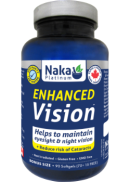
- 10 mg
- Lutein (Tagetes erecta - Herb flowering oleoresin)
- 2 mg
- Zeaxanthin (Tagetes erecta-Herb flowering oleoresin, Zeaxanthin)
- (2500IU) 750 mcg RAE
- Vitamin A (all-trans-Retinyl palmitate)
- 300 mg
- Vitamin C (Ascorbic acid)
- (200IU) 134 mg AT
- Vitamin E (d-alpha Tocopherol)
- 30 mg
- Vitamin B6 (Pyridoxal 5’-phosphate monohydrate)
- 22 mg
- Zinc (Zinc bisglycinate)
- 1 mg
- Copper (Copper (II) gluconate)
- 25 mg
- Bilberry (Vaccinium myrtillus-Fruit) (100:1, QCE 2500 mg) (Anthocyanins 36%)
- 5 mg
- Piperine (Piper nigrum-Fruit)
Lecithin, Medium chain triglycerides, Yellow beeswax, Gelatin (BSE Free Bovine source Halal certified), Glycerin (vegetable source), Caramel, Purified water.
Sealed for your protection. Keep out of reach of children. Do not use if safety seal is broken or missing. For freshness store in a cool, dry place. Ask a health care practitioner before use if you are taking medications or any other health products, as black pepper/piperine may alter their effectiveness. Ask a health care practitioner before use if you are pregnant or breastfeeding.
 Softgels
45 Sofgels
Adults: 1 softgel 1 time per day Take with food, a few hours before or after taking other medications or natural health products.
- Helps to maintain normal vision, eyesight, eye health, night vision
- Helps to improve macular pigment optical density
- Helps to reduce the risk of developing cataracts
- 3rd Party Lab Tested and Manufactured in Canada
- No added gluten, nuts, eggs, dairy products, fish or shellfish, corn, starch, wheat or yeast

Premium Quality & Canadian Made - 12 New Added
Founded in 1991, Naka’s success has been built upon introducing innovative supplements in liquid or easy-to-swallow capsule forms designed to meet the better health needs of consumers worldwide. Their most popular supplements include: Naka Pro Collagen, Naka Vital Greens, Naka Magnesium Bisglycinate, Naka Nutri Flex, Naka Vital Greens and Naka Probiotics.You can find Naka herbs and buy Naka supplements at NationalNutrition.ca Read more >- Reviews
- POST A NEW REVIEW
EYE HEALTH NATURALLY
The eye is a very important sensory organ, which is shown by the fact that a large area of our brain is committed to taking in and understanding visual information. Up to 70% of all of the sensory receptors in the body are in the eyes. Problems with the eyes become more common as we age.
How can we support eye health, throughout our lifetime, so that our vision remains clear and focused?
The eye is a small sphere with a diameter of about 1 inch. Only one sixth of the eye is visible, the rest is protected in the orbital socket. There are many accessory structures of the eye including the eyebrows, eyelids, conjunctiva, lacrimal apparatus and eye muscles. Only a small part of the eye is dedicated to photoreception. This area is on the posterior wall on the inside the eyeball and is called the retina. It contains rods, for dim light and peripheral vision, and cones, for bright light and colour vision. The lens is situated at the front of the eyeball and its job is to focus light on the retina. Glasses are used to help focus light through the lens when the accommodation of the lens is inadequate or overcompensating. As we age, the muscles that move the lens decrease functioning making the use of glasses or contacts more common among older individuals.
There two main causes of degenerative eye conditions:
- Free radical damage
- Decreased blood flow to the eye
Free radicals are unstable molecules that in their bid to become more stable must bump into healthy cells and cause damage. This can cause cell death, alterations in genetic material and autoimmune reactions to damaged cells. Food, water and ultraviolet radiation from the sun are the major contributors of free radicals that build up in the eye.
Bilberry
Bilberry became valued as a medicinal agent during World War II when British pilots claimed that eating bilberries improved their visual acuity, night vision and ability to adapt to glare. Scientific studies have backed up these testimonials by uncovering bilberry’s antioxidant properties. Free radicals are unstable molecules that in their bid to become more stable must bump into healthy cells and cause damage.
Bilberry's contain high amounts of antioxidants. These properties help to neutralize free radicals that are in our everyday lives. By doing this it reduces damage to vessels all over the body, including those in the eye. Cataracts can be caused by free radial damage in the lens of the eye, making bilberry useful in treatment. Bilberry's also contain rhodopsin which helps the eyes adapt to light changes and improve night vision. Other eye problems that are also helped by bilberry are: macular degeneration, diabetic retinopathy, and myopia.
Bilberry's also have anti-aging properties. Because of its high antioxidant properties it protects the body against environmental pollutants and other substances that and lead to aging. Bilberry also stabilizes the connective tissue called collagen. Thus it is beneficial for conditions of collagen instability in the vascular system such as varicose veins, phlebitis and heart disease. Bilberry inhibits blood clotting due to it's high levels of anthocyanidin (a strong antioxidant). Anthocyanidin improves the flexibility of blood vessels, and may stop oxidation of LDL ("bad cholesterol") which can lead to plaque build up in blood vessel. Because of this bilberry's can be useful to increase circulation in cases of atherosclerosis and diabetes.
Back to Top ↑