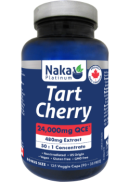
- 480mg
- Tart cherry (Prunus cerasus, Fruit) (50:1 QCE 24,000mg) standardized to NLT 2% Proanthocyanidins. US origin. Carrier free
Microcrystalline cellulose, Magnesium stearate (Vegetable source), Hypromellose (capsules ingredient).
Sealed for your protection. Do not use if safety seal is broken or missing. Keep out of the reach of children. For freshness store in a cool, dry place.
 Veggie Caps
125 V-caps
Adults: 1 capsule 1 time per day.
- Source of antioxidant that helps protect against damage caused by free radicals
- US Origin
- Non Irradiated
- Vegan & GMO free
- Contains no added gluten, nuts, eggs, animal products, dairy products, fish or shellfish, soy, wheat or yeast
Premium Quality & Canadian Made - 12 New Added
Founded in 1991, Naka’s success has been built upon introducing innovative supplements in liquid or easy-to-swallow capsule forms designed to meet the better health needs of consumers worldwide. Their most popular supplements include: Naka Pro Collagen, Naka Vital Greens, Naka Magnesium Bisglycinate, Naka Nutri Flex, Naka Vital Greens and Naka Probiotics.You can find Naka herbs and buy Naka supplements at NationalNutrition.ca Read more >- Reviews
- POST A NEW REVIEW
ANTIOXIDANTS FROM A-Z
If there's a fountain of youth out there, antioxidants are it!
What Is An Antioxidant?
antioxidants are a large class of substances that help to neutralize free radicals. Free radicals are unstable molecules with unpaired electrons that are highly reactive, damaging surrounding cell membranes, fats, and fat-soluble vitamins and nutrients. We encounter free radicals through environmental exposures, such as cigarette smoke, air pollution, processed foods, and ultraviolet radiation from the sun (UV rays).
What Are The Effects Of Free Radicals?
Because of the highly reactive nature of free radicals, they can cause damage to any aspect of our cells and tissues. When the injury affects the cellular DNA, the disease can result. When the damage is to cell membranes and nutrients, an inflammatory response can cause various diseases. Eventually, with the prolonged free radical attack, the body begins to break down, resulting in the physical signs of aging.
What Does An Antioxidant Do?
Antioxidants play a huge role in our everyday cellular processes. Because of their far-reaching effects, it is challenging to study the impact of supplementation directly. Instead, research has focused on what occurs when antioxidant levels are low and oxidative stress increases in the body. This condition has been associated with stroke, cardiovascular disease, neurodegenerative disease, arthritis, Parkinson's, Alzheimer's, diabetes, and the physical signs of aging.
Because of their ability to neutralize free radicals, antioxidants act as guardians in our bodies by protecting our cells, DNA, and nutrients from attack. Thus, antioxidants almost work as a "fountain of youth" by protecting us from the physical causes of aging and many diseases. Therefore, it seems rational to suppose that increasing the intake of antioxidants can help to protect against the development of these conditions.
ORAC Is A Measure Of Antioxidant Capability
Oxygen Radical Absorbance Capacity (ORAC) is a laboratory test used as the industry standard for measuring antioxidant capacity in foods. Although ORAC is not a universal standard, it is a commonly accepted way of comparing water-soluble antioxidants like anthocyanins to each other. Different extracts and brands of each substance tested rate differently on the ORAC scale, likely because they have been processed differently. It is recommended that the average person get at least 1670 ORAC per day. Additional health benefits occur at around 2,000 – 3,000 ORAC per day.
Antioxidant Solubility And Absorption
Like most substances in the body, antioxidants can be categorized into two main types, water-soluble and fat-soluble. This helps us to distinguish their roles and the location of the action, as well as how to ensure they are best absorbed. Water-soluble antioxidants, such as vitamin C and glutathione, are the most common. These antioxidants can help protect the nutrients and structural components in the tissue and cellular fluids. Fat-soluble antioxidants, such as vitamin E, can protect lipid membranes like those found surrounding each of the cells in our bodies. Interestingly, alpha lipoic acid is dual soluble. This means it can cross to both sides of the solubility spectrum and dissolve in water or fat.
As such, solubility is essential to keep in mind when considering how and when to take your supplements. Fat-soluble vitamins should come in a fat carrier (oil) or should be ingested with food containing natural fats to promote absorption. Water-soluble antioxidants can generally be absorbed at any time. However, taking them away from food may avoid problems with competition for absorption.
How Can I Get More Antioxidants?
One powerful way of increasing your intake of antioxidants is to increase the number of fruit and veggie servings you get in one day. The minimum recommended number is 5, with many sources suggesting closer to 10 servings a day. Due to the breakneck pace of our lives nowadays and the prohibitive cost of fresh groceries, many of us have difficulty eating as well as we should. The produce we eat is picked before ripened and shipped over long distances. We also often cook the fruits and vegetables that we do eat. Early picking, cooking, and prolonged storage reduce our food's nutritional value and antioxidant content.
If this is the case with your diet, antioxidants can also be supplemented using the sources from the list above. Often combination formulas will include a mixture of the above products in a powder or capsule form. This allows you to boost the antioxidants in your diet significantly.
Important Information
Most antioxidants are sensitive to heat and processing. Cooking and prolonged storage of your antioxidant-rich foods can lead to degradation and a loss of the full benefit. You can explore the links included in this article to learn more. Each supplement listed above has its unique dosing and safety information.
Antioxidants - Quick Facts
Parts Used
· Fresh And Frozen Fruits And Vegetables, A Variety Of Supplements (See List Above)..
Applications
· Fatigue, Inflammation, Aging, Cardiovascular Disease, Vision Health, Detoxification, Etc
Optimum Dosage
· Following Manufacturer's Recommended Dosing Suggestions. (Clinical Doses May Be Higher As Recommended By Your Practitioner).
Works Well With
· A Nutrient Rich Diet As Well As A Healthy Lifestyle
Important Information
· Each Individual Antioxidant Source Has Its Own Unique Safety Information.
Back to Top ↑