

Each tablet contains
- 100mg
- Vitamin B3 (Nicotinic Acid)
Non-Medicinal Ingredients:
Microcrystalline cellulose.
Microcrystalline cellulose.
Important Information:
Contains no artificial preservatives, color or sweeteners; no corn, dairy, starch, wheat or yeast.
Format
 Tablets
90 Tabs
Dosage
1-5 tablets daily or as directed by a health practitioner.
Product Information:
- Moderate 100mg dosage.
- Supports circulatory health.
- Triglyceride lowering properties.
- Necessary for the metabolism of carbohydrates, fats and proteins.
- May help increase HDL the good cholesterol
Trusted Wellness For 60 Years, Sold at National Nutrition.
Based in British Columbia, Natural Factors Canada is one of the largest manufacturers of nutritional products in North America. Natural Factor Supplements origins reach back to the 1950s, & right from day one, they've been fully committed to making products right. Today, Natural Factors vitamins brings you tested and true products like Acidophilus and Bifidus, Ultimate Multi Probiotics, RX Omega-3, Theracurmin, PGX Daily, Whey Factors Protein and Oil of Oregano all of which you can BUY right here at National Nutrition.ca. Read more >What People Are Saying:
- Reviews
- POST A NEW REVIEW
Reviews for:
B-3 Niacin 100mg - 90 Tabs
(2 reviews)
Reviews By Rating
helpful votes
2
2 customers found this product review helpful
More Info
The Importance of Vitamin B3
Niacin is a water-soluble B vitamin. The body can produce its own niacin from tryptophan with the help of B1, B2 and B6. It is an important vitamin for the functioning of the nervous system. Niacin has been well researched for its ability to improve mental illnesses such as schizophrenia. It also helps the digestion of fats, carbohydrates and protein because niacin is needed in the coenzymes that speed up these reactions. Niacin plays a part in the production of stomach acid and bile. One form of B3, niacin, lowers cholesterol because niacin is involved in chemical reactions that metabolize fats. Niacin also causes the release of histamine, a chemical responsible for dilating vessels. Thus it benefits cardiovascular diseases, where circulation is compromised, and diabetes, where decreased circulation causes numbness in the extremities. To further help with diabetes, niacin regulates blood sugar as a component of glucose tolerance factor. Niacin can also help allergy sufferers by depleting the body's histamine stores. Histamine release leads to allergic symptoms like runny nose and itchy, watery eyes.
Why do I Need B Vitamins?
The Nutrition Almanac states that B vitamins "may be the single most important factor for maintenance of the nerves."B vitamins are essential for healthy skin, hair, eyes, mouth and liver. Water-soluble B vitamins are not stored in the body and must be replenished daily.
All of the B vitamins work together and are best used by the body in a B complex, which is why many B complex supplements include a small dose of riboflavin in them. If additional supplementation of riboflavin is needed it should be taken in addition to a good B complex. Most B vitamins are water-soluble and any extra from large doses is flushed out of the body easily, therefore it's best to take lower dosages of the B complex several times a day than one larger dose. Spray or sublingual forms of B vitamins are easily absorbed, as are capsules - if your digestion is healthy, then the tablet form is usually suitable for most people.
Lowering High Cholesterol The Natural Way
Heart disease is one of the leading causes of death in North America. High Cholesterol contributes to heart disease when the fatty molecules build up on the inside of arteries. This leads to a decrease in the flexibility and elasticity of the walls. As the artery becomes narrower, decreased circulation leads to high blood pressure because the body struggles to maintain enough blood flow to its tissues. Pieces of the cholesterol plaque can break off or the turbulent flow of blood can cause clots to form. If the pieces or clots lodge in smaller vessels this leads to heart attack or stroke.
The Good, The Bad, and The Cholesterol
Cholesterol is not all bad; it is the amount and the ratio of the various forms of cholesterol that are a health concern. LDL (low density lipoprotein) cholesterol is fat that is being transported from the liver for use by your cells. It is commonly called bad cholesterol. HDL (high density lipoprotein) cholesterol is called good cholesterol because it is fat that is being taken unused cholesterol from your cells back to the liver, where it is broken down. Cholesterol levels are unhealthy if you have lots of circulating LDL, not enough HDL or a combination of the two.
Dietary cholesterol is different than the serum cholesterol mentioned above. Although eating foods that are high in cholesterol does raise serum cholesterol levels the liver is responsible for making cholesterol when needed. Thus a cholesterol reduction plan should include a low cholesterol diet with other treatments to help to reduce serum cholesterol. Genetics also plays a role in high cholesterol.
Niacin is a water-soluble B vitamin. The body can produce its own niacin from tryptophan with the help of B1, B2 and B6. It is an important vitamin for the functioning of the nervous system. Niacin has been well researched for its ability to improve mental illnesses such as schizophrenia. It also helps the digestion of fats, carbohydrates and protein because niacin is needed in the coenzymes that speed up these reactions. Niacin plays a part in the production of stomach acid and bile. One form of B3, niacin, lowers cholesterol because niacin is involved in chemical reactions that metabolize fats. Niacin also causes the release of histamine, a chemical responsible for dilating vessels. Thus it benefits cardiovascular diseases, where circulation is compromised, and diabetes, where decreased circulation causes numbness in the extremities. To further help with diabetes, niacin regulates blood sugar as a component of glucose tolerance factor. Niacin can also help allergy sufferers by depleting the body's histamine stores. Histamine release leads to allergic symptoms like runny nose and itchy, watery eyes.
Why do I Need B Vitamins?
The Nutrition Almanac states that B vitamins "may be the single most important factor for maintenance of the nerves."B vitamins are essential for healthy skin, hair, eyes, mouth and liver. Water-soluble B vitamins are not stored in the body and must be replenished daily.
All of the B vitamins work together and are best used by the body in a B complex, which is why many B complex supplements include a small dose of riboflavin in them. If additional supplementation of riboflavin is needed it should be taken in addition to a good B complex. Most B vitamins are water-soluble and any extra from large doses is flushed out of the body easily, therefore it's best to take lower dosages of the B complex several times a day than one larger dose. Spray or sublingual forms of B vitamins are easily absorbed, as are capsules - if your digestion is healthy, then the tablet form is usually suitable for most people.
Lowering High Cholesterol The Natural Way
Heart disease is one of the leading causes of death in North America. High Cholesterol contributes to heart disease when the fatty molecules build up on the inside of arteries. This leads to a decrease in the flexibility and elasticity of the walls. As the artery becomes narrower, decreased circulation leads to high blood pressure because the body struggles to maintain enough blood flow to its tissues. Pieces of the cholesterol plaque can break off or the turbulent flow of blood can cause clots to form. If the pieces or clots lodge in smaller vessels this leads to heart attack or stroke.
The Good, The Bad, and The Cholesterol
Cholesterol is not all bad; it is the amount and the ratio of the various forms of cholesterol that are a health concern. LDL (low density lipoprotein) cholesterol is fat that is being transported from the liver for use by your cells. It is commonly called bad cholesterol. HDL (high density lipoprotein) cholesterol is called good cholesterol because it is fat that is being taken unused cholesterol from your cells back to the liver, where it is broken down. Cholesterol levels are unhealthy if you have lots of circulating LDL, not enough HDL or a combination of the two.
Dietary cholesterol is different than the serum cholesterol mentioned above. Although eating foods that are high in cholesterol does raise serum cholesterol levels the liver is responsible for making cholesterol when needed. Thus a cholesterol reduction plan should include a low cholesterol diet with other treatments to help to reduce serum cholesterol. Genetics also plays a role in high cholesterol.
Back to Top ↑

Viewing History
-
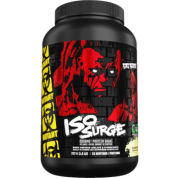
Mutant ISO Surge (Banana Cream) - 1.6lbs
Sale: $56.99
Reg.: $64.99 (Save $8.00)
Trending Products
Trending Brands












