

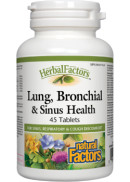
- 200mg
- N-Acetyl-L-Cysteine
- 100mg
- Bromelain (1500 MCU)
- 100mg
- Marshmallow root extract (Althaea officinalis)
- 100mg
- Mullein extract (Verbascum thapsus)
- 100mg
- Wild Cherry bark extract (Prunus serotina)
- 50mg
- Horehound extract (Marrubium vulgare)
- 50mg
- Ivy extract (Hedera helix L.)
Microcrystalline cellulose, croscarmellose sodium, coating (carbohydrate gum [cellulose], glycerin), vegetable grade magnesium stearate (lubricant).
Contains no artificial preservatives, color or sweeteners; no corn, dairy, starch, or wheat.
 Tablets
45 Tabs
1-2 tablets, 3 times daily or as directed by a health practitioner.
- Supports respiratory health.
- Helps break down mucous and phlegm.
- Helps you to breathe easier.
- May be helpful for sinusitis, asthma, bronchitis, chronic obstructive lung disease.
- Formulated by Dr. Michael Murray.

Trusted Wellness For 60 Years, Sold at National Nutrition.
Based in British Columbia, Natural Factors Canada is one of the largest manufacturers of nutritional products in North America. Natural Factor Supplements origins reach back to the 1950s, & right from day one, they've been fully committed to making products right. Today, Natural Factors vitamins brings you tested and true products like Acidophilus and Bifidus, Ultimate Multi Probiotics, RX Omega-3, Theracurmin, PGX Daily, Whey Factors Protein and Oil of Oregano all of which you can BUY right here at National Nutrition.ca. Read more >- Reviews
- POST A NEW REVIEW
Reviews By Rating
helpful votes
0
0 customers found this product review helpful
Virtually all of us take the ability to get a good breath of air for granted. However, for people suffering from chronic sinusitis, asthma, bronchitis, chronic obstructive lung disease, and other diseases of the respiratory tract, an effortless breath of air is greatly appreciated.
One of the most important features of healthy airways is the elasticity and fluidity of the respiratory tract secretions. If the mucus is too thick, it blocks airways and causes difficulty in breathing. Fortunately there is a safe and effective natural product that can make breathing easier - Lung, Bronchial & Sinus Health.
This formulation can help those with chronic respiratory problems breathe easier. It is a useful adjunct for anyone with asthma, bronchial congestion, and sinus problems. It's also ideal for occasional hay fever, or to deal with air pollution, such as car exhaust and second hand smoke. It can even help with a cold that seems to hang on too long.
Lung, Bronchial & Sinus contains:
N-Acetyl-Cysteine-Decreases mucous. It is a natural antibiotic. Increases the production of glutathione and important antioxidant in the lungs.
Bromelain-Besides being used as a protein digestive aid, the enzymes in bromelain inhibit inflammatory chemicals called prostaglandins. The anti-inflammatory effect has been studied for its effectiveness in inflammatory conditions like arthritis and sinusitis.
Marshmallow- It is a demulcent, an agent that coats and protects mucosal surfaces. The active components in marshmallow are large carbohydrate molecules that form marshmallow's characteristic texture when mixed with fluid. In the respiratory tract marshmallow decreases cough, speeds removal of mucus and helps to heal the tract.
Mullein-Expectorant herbs that help to decease lung congestion.
Wild Cherry bark- Soothes the throat by coating the tissue.
Horehound-Horehound is most frequently used in the treatment of bronchial disorders. It is most useful in relieving asthma, cough, cold, bronchitis and whooping cough.
Ivy Extract -studies indicate ivy leaf extract is helpful for people who wish to build and maintain healthy lung and bronchial passageway function.
Asthma
Asthma is a common respiratory ailment that affects people of all ages. The incidence of asthma has doubled over the last 15 years. The attacks are caused by inflammation and hypersensitivity of the airways. Spasms of the small bronchiole tubes occur and air cannot move out. This leads to difficulty breathing. Increased mucous production and swelling of the bronchioles also blocks the tubes and exacerbates the problem.
Triggers for attacks can be external, such as a food allergy, medications, smoke, environmental chemicals, dust, pollen, animal hair or dander. Internal triggers for asthma can be stress, emotions, exercise, cold air, humidity, dry air, low blood sugar or viral infections. Asthma attacks usually begin with a dry cough and tightness in he chest. They can progress to wheezing and laboured breathing. Some attacks are life threatening. Anxiety and panic attacks can result from the feelings of suffocation that the asthmatic experiences.
Avoidance of all irritating substances is important for prevention of asthma. Home air purification systems, humidifiers and dehumidifiers can be helpful. Keep plants that remove pollutants from air. These types include bamboo palm, Boston fern, dracaena, English ivy, ficus ali, peace lily, rubber plant and spider plant. Regular moderate exercise and deep breathing practices can decrease hypersensitivity of the airways. Steam inhalations with thyme or eucalyptus essential oils are antispasmodic and antimicrobial. For acute attacks place hot apple cider vinegar poultices on the arms until the attack subsides. For all of you coffee-lovers, caffeine has a dilating effect on the bronchioles and can be of help when consumed at the beginning of an asthma attack.
Dietary approaches to asthma are as follows. Increase fluid intake to decrease the viscosity of mucous secretions. Detoxify your body periodically. A diet high in raw fruits and vegetables provides a good source of vitamins, minerals and antioxidants. Onions and garlic are good sources of quercitin and vitamin C. Flaxseed and fish oils contain essential fatty acids that are anti-inflammatory. Avoid animal products because they contain inflammatory precursors. Avoid food colourings and preservatives such as sulphites. Avoid foods and drugs that contain salicylates including aspirin, white willow bark and the mint family. The most common food triggers are cow's milk, eggs, peanuts, wheat, citrus frits, shellfish, nuts, chocolate, food colourings and preservatives. If food allergies are a cause of asthma, elimination or rotation diets should be a part of the treatment protocol. Both methods involve charting the foods you eat and any reactions. Elimination diets start with a cleansing period to eliminate offending substances. Then the diet is restricted to mild, non-irritating foods. Finally the testing period begins when a new food is introduced every third day. If a food is okay then it can be added to the diet in moderation. If a food causes a reaction then it is restricted for a period of a few months. It can then be retried. Rotation diets limit your food intake to certain food families each day. It can be used to assess food allergies and is a good method to prevent the return of allergies.
Back to Top ↑
-
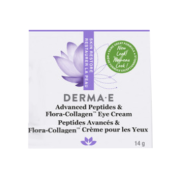
Advanced Peptides & Flora-Collagen Eye Cream - 14g
Sale: $26.49
Reg.: $29.99 (Save $3.50)
-

Your Flora Probiotic Sensitive (Digestive Irritation) - 60 V-Caps
Sale: $35.99
Reg.: $39.99 (Save $4.00)
-

Sale: $34.99
Reg.: $46.99 (Save $12.00)












