

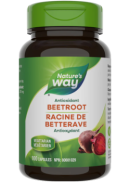
- 500 mg
- Beet root (Beta vulgaris, root)
Microcrystalline cellulose, hydrated silica, magnesium stearate, hydroxypropyl methylcellulose
Keep out of reach of children.
 Capsules
100 Caps
Adults take 2 capsules 3 times per day.
- Source of antioxidants
- 500mg per capsule
- Help treat anemia
- Supports digestion and cardiovascular health
- 100% vegetarian

Quality Herbals For Over 40 Years.
For over 40 years, Nature’s Way has built a reputation for quality and trust. Nature's Way is committed to using pure ingredients, backed by rigorous testing, which has earned them a reputation as one of Canada’s most trusted natural product brands. Shop Nature's Way Canada Fenugreek, Probiotics, Astragalus, Liquid Coconut Oil, Echinacea and other natural herbal remedies. Read more >- Reviews
- POST A NEW REVIEW
Reviews By Rating
helpful votes
1
1 customers found this product review helpful
Beets
Beets provide nutrition for healing, fibre for digestion and nitric oxide for improved athletic performance and cardiovascular health...
The doctors of Ancient Greece realized the medicinal value of beets. Beet juice was traditionally used to cure fevers, anemia, and diseases of the digestive and lymphatic systems. The leaves of the beet plant are cooked and eaten for their rich nutritional content.
In fact, Swiss chard is a close relative to beets, having been cross-bred with cabbage. Beetroot is often peeled, and cooked before it is eaten as a hearty and earthy addition to any meal. The use of beets for medicinal purposes has been proven by modern scientific study, and newer research is finding even more benefits to health!
Cardiovascular Health and Exercise Tolerance
Some of the newest health research on beets relates to its nitrate (NO3) content. Supplementation with beetroot juice over the course of 6 days was shown to help reduce systolic blood pressure. It also helped to reduce oxygen consumption during exercise, without altering the energy metabolism in the mitochondria (the cell’s furnace). It is thought that the nitrate present in beetroot is converted to nitric oxide (NO), which has a number of beneficial effects in the human body. Nitric oxide promotes dilation of the vasculature and helps to push oxygen from the blood into the muscles. Both of these effects can create a significant increase in athletic performance and can help to benefit Cardiovascular Health. This is the reason that many athletes have begun supplementing with beetroot as a source of nitric oxide. Interestingly, this cardiovascular benefit of beets is independent of the ability to stimulate choline production.
Beets create choline
Research from the last decade validated the curative properties of dark-coloured red beets and their greens. Certain constituents found in red beets, called betaine and betanin, improve the digestion of food and help to create choline. Choline increases liver cell activity, strengthens the walls of capillaries, and decreases the amount of cholesterol in the blood. Choline is a lipotropic, fat emulsifying, agent for the treatment of fatty deposits in the liver and other organs. For more information on these and other benefits, please see our article on Choline.
Fibre and Digestion
The insoluble fibre that can be found in the entire beet plant absorbs and removes toxic substances, heavy metals and cholesterol from the body when ingested. In addition, insoluble fibre strengthens intestinal contractions and promotes the active secretion of digestive juices and bile, thus helping to reduce constipation and indigestion. For more information on these benefits, please see our Fibre article. Cooked preparations are recommended for dealing with digestive complaints.
Wound Healing and Nutrition
Red beets also promote wound healing and have anti-inflammatory properties. They help to settle the immune system and stimulate an appropriate response to injury. Beet greens are richer than spinach in iron and other minerals. They are used to treat anemia, poor appetite, obesity, gout and can help to reduce blemishes.
How can I get more beets?
As mentioned above, beet tops and beetroot can simply be cooked and eaten for their rich nutritional value. Juice, made from the beet or the beet and its greens, is often used medicinally as well. Beet juice can be combined with other vegetable juices, which reportedly increases the beets’ health effects. More vitamin and minerals are found in raw juices and preparations than in cooked preparations. In general the dose for beet juice is between 100 and 500ml daily, with lower doses for general nutritional support, and higher doses for affecting athletic performance. Beets may be found alone or in combination supplements used for detoxification, nutritional support, and to help promote improved circulation and athletic performance. The dose of dried beet juice has not yet been established so it is best to follow the manufacturer’s recommended dosages.
Nutritional Information
Beets– Quick Facts
Parts Used
· Beets And Beet Greens.
Applications
· Anemia, Poor Nail And Hair Growth, Poor Appetite, Digestion, Athletic Performance, Cardiovascular Health
Optimum Dosage
· As A Digestive Aid 1-2tbsp Before Meals. Other Purposes Up To 100ml Daily. For Dried Beet Powder Follow The Manufacturer’s Recommended Dosage.(Clinical Doses May Be Higher As Recommended By Your Practitioner).
Works Well With
· Vitamin B Complex, Inositol
Important Information
· There Are No Known Adverse Effects Or Drug Interactions With Beets.
· Beets Turn The Stool And Urine A Red Colour That Is Often Mistaken For Blood.
· Those On Heart Medications And Vasodilators Like Nitroglycerine Should Use Caution When Supplementing With Beet To Prevent Low Blood Pressure.
Back to Top ↑
-

Henna Powder Hair Colour (Black) - 60g
Sale: $7.49
Reg.: $9.99 (Save $2.50)
-

Stodal Cough Syrup For Children (Honey) - 125ml
Our Price: $9.99












