

- 250mg
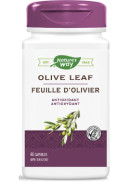
- Olive Leaf (Olea europaea ) Extract 10:1 (20.0% Oleuropein)
- 180mg
- Olive leaf (Olea europaea)
Hydroxypropyl methylcellulose, magnesium stearate, silica.
Consult a health care practitioner prior to use if you are pregnant or breastfeeding. Do not use if allergic to plants of the Oleacea family. Consult a health care practitioner prior to use if you have high or low blood pressure. Keep out of reach of children.
 Capsules
60 Caps
Adults, take 1-2 capsules 2 times per day with meals.
- Strong anti-fungal, anti-parasitic & anti-bacterial activity
- Ideal for Candida, viral or bacterial infections
- Supports healthy immune function
- Standardized to 20% oleuropein
- Easy to swallow capsule

Quality Herbals For Over 40 Years.
For over 40 years, Nature’s Way has built a reputation for quality and trust. Nature's Way is committed to using pure ingredients, backed by rigorous testing, which has earned them a reputation as one of Canada’s most trusted natural product brands. Shop Nature's Way Canada Fenugreek, Probiotics, Astragalus, Liquid Coconut Oil, Echinacea and other natural herbal remedies. Read more >- Reviews
- POST A NEW REVIEW
Olive is best known for its use in the kitchen as oil. However the leaves of the plant are a good addition to the medicine cabinet. The extract of the leaf has been found to have antibacterial, antiviral, antifungal and antiparasitic activity. Even new emerging viruses, like SARS, seem to be inactivated by compounds in olive leaf. It interferes with the microbe's use of amino acids so that they cannot grow and multiply.
Olive leaf also promotes the growth of beneficial organisms in our gastrointestinal tract, probiotics. Probiotic organisms protect us from infections with harmful microbes. Olive leaf is similar to olive oil in that it has benefits for cardiovascular health by lowering blood pressure. It also has a beneficial effect on the high blood sugar levels that are seen in the condition diabetes. Olive leaf may be recommended for treating colds, yeast infections, parasitic infections like tapeworm, hookworm, flatworm and roundworm, viral infections, bacterial infections, diabetes and high blood pressure.
Candidiasis
Candida albicansis a fungus that is normally found in the human gastrointestinal and genital tracts. A Candida infection occurs if the fungus overgrows or spreads to other areas of the body. People with Candida overgrowth typically feel fatigued and have trouble concentrating which are both caused by the toxin that the yeast produces and which is absorbed easily through the intestinal lining.
Apart from this test, a definitive diagnosis of candidiasis is difficult because the symptoms can be non-specific and vary depending on the part of the body that is involved. For example, Candida can cause headaches, fatigue, itching, tingling or burning sensations, memory loss, joint and muscle pain, constipation or diarrhea, PMS prostatitis, and even diabetes or hypothyroidism. The symptoms may be worse in damp or mouldy places. They may also worsen after consuming sugary or yeast-based foods. Visually a Candida infection appears as white spots that may grow together. The skin surrounding the spots is very red. There may be a white, curdly discharge with a yeasty smell.
Conventional treatment of Candida involves antifungal agents applied topically or taken orally. These agents take care of the current infection but do not address the root cause of the infection. Candida often returns and the strains become drug resistant.
EliminateCandida Naturally
Dietary therapy depends upon the severity of the condition. It is aimed at starving the yeast of its food source, sugar. This can result in flu-like symptoms that are due to the toxins that are released as the yeast die. The symptoms will go away once the yeast is under control. They can be countered by drinking lots of filtered water and taking in lots of fibre.
Dietary restrictions involve a total elimination of all sugar, yeast and fungal products from the diet. This includes fruit, aged cheese, alcohol, baked goods, chocolate, fermented foods, gluten containing grains, ham, honey and all sweeteners, nut butters, potatoes, mushrooms, soy sauce, sprouts and vinegar.
Less severe cases restrict all of the above-mentioned products for a short period of time and then allow some products back into the diet. Vegetables, fish and gluten free grains are the bulk of the diet. Live yogurt or other products containing live bacterial cultures can be added at a later time.
Back to Top ↑
-

Anti - Parasitic Liquid Herb - 50ml - Botanica
Sale: $23.96
Reg.: $29.95 (Save $5.99)
-

Perfect Protein Elevated (Brain Booster Vanilla Organic) - 606g - B...
Sale: $47.99
Reg.: $59.99 (Save $12.00)
-
Sale: $25.87
Reg.: $34.49 (Save $8.62)












