

Immune Advanced Kit - Gift Packet (11 Items) - Naturopathic Labs

We're sorry, we no longer carry this item.
Check These out
Suggested, Similar, & Related Products:
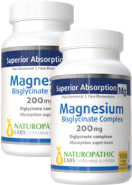
Sale: $17.99
Reg.: $29.99 (Save $12.00)
(Click Add to Select Bonus)
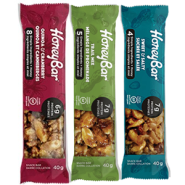
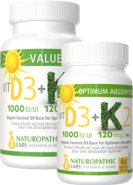
Sale: $19.99
Reg.: $39.99 (Save $20.00)
(Click Add to Select Bonus)
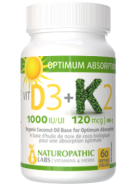
Sale: $12.99
Reg.: $17.99 (Save $5.00)
Sale: $27.99
Reg.: $49.99 (Save $22.00)
(Click Add to Select Bonus)
Sale: $56.45
Reg.: $70.57 (Save $14.12)
(Click Add to Select Bonus)
Sale: $14.99
Reg.: $19.99 (Save $5.00)
(Click Add to Select Bonus)
Sale: $9.99
Reg.: $14.99 (Save $5.00)
Sale: $9.99
Reg.: $12.99 (Save $3.00)
Or, Shop our Latest Deals:
Shop Now >- 200ml
- NLAB Elderberry
- 120ml
- NLAB Medi-San Spray
- 15ml
- NLAB Oregano Oil
- 20 Bags
- TDM Echinacea Tea
- 30ml
- ALAB Eucalyptus Oil
- 250 Tabs
- NF Vitamin C 500mg
- 60 Tabs
- NF Zinc Lozenges
- 30ml
- Naka Vitamin D Liquid 1000iu
- 3
- National Nutrition Masks
Keep out of reach of kids & pets. Do not use if safety seal is broken. For freshness store in a cool, dry place. Follow all cautions and warning as stated on each product.
 Kit
Kit
Kit
Follow dosages as stated on each bottle.
- Kills Off Colds, Flus, Viruses, Bacteria, Fungal And So Much More
- Support Healthy Immune Functions
- Easy To Use
- Convenient Gift Pack

#1 Canadian Clinical Brand
Naturopathic Labs Canada is an exclusive natural supplement brand to National Nutrition. They offer high-quality supplements for a fraction of the cost compared to the competitors. Naturopathic Labs supplements include Omega-3, Serrapeptase, 5-HTP, Biotin, B Complex, Collagen, Curcumin, EGCG Green Tea and more. Naturopathic Labs Clean Omega-3 Liquid contains a full 800mg of EPA and 500mg of DHA per dose (TG form) making it among the highest potency omega-3 supplements available. Buy Naturopathic Labs now at National Nutrition.ca Read more >- Reviews
- POST A NEW REVIEW
Immune System
Reduced in activity by stress, nutrient deficiencies and toxins in the body, your immune system response can be optimized with the right food, supplements and approach to life...
The immune system is the police force of the body. It is a complex system of cells that defend the body from invading organisms, regulate inflammation and control abnormal cell growth. Many organs are involved in the immune response, the bone marrow, lymphatic system, thymus, liver and spleen. Bone marrow produces red blood cells, white blood cells and platelets.
The spleen is a location where immune cells can monitor the blood for foreign matter. It also speeds up red blood cell production and activates blood clotting. The liver can increase body temperature and induce sweating to help fight off infections. The thymus produces B cells, which make antibodies, and T cells, which are part of the immune response.
The immune system is capable of fighting off intruders and remembering them so that they are killed off quickly if they invade again. The immune system must be able to differentiate self from non-self in order to know what to attack. If it does not recognize the body’s own tissue than autoimmune diseases occurs.
The immune system can be compromised by:
- Physical or emotional stress
- Poor dietary habits
- Exposure to chemicals and medications
- Lack of sleep
- Deficiency in friendly bacteria
- Lack of physical activity
Physical and emotional stress has been shown in studies to depress the amount of circulating immune cells. Examples of possible stressors are excessive exercise, surgery, a long illness, and loss of a job or death of a loved one. The sympathetic nervous system is activated by stress and causes increased heart rate and blood pressure, and a heightening of the body’s senses. It decreases the functioning of systems that are not essential for fighting or fleeing a situation. This includes immunity. Stress also causes increased inflammation and a build –up of damaging agents called free radicals. These substances can interfere with normal immune functioning.
Poor dietary habits inhibit the immune system by creating deficiencies in protein, vitamins and minerals. A healthy diet, with sufficient protein intake, supports the immune system because the immune cells are made of protein and are in a constant state of renewal. The immune cells use a variety of vitamins and minerals to carry out their jobs. The most important nutrients are vitamin A, vitamin B6, vitamin C, vitamin E, selenium, zinc and essential fatty acids. For example, vitamin C strengthens white blood cells and prevents the multiplication of bacteria and viruses. Deficiency of any one of these nutrients impairs the immune response.
Dietary sugar, especially white sugar, has been directly linked to depression of the immune system, immediately after its consumption. One study showed that eating three and a half oz. of simple sugar reduced the ability of white blood cells to destroy bacteria. Sugar also provides fuel for invading organisms, like bacteria and fungus, thus strengthening their attack.
Sleep is an essential component of our body’s repair mechanisms. During sleep the body in an anabolic, or building, state. Insomnia prevents the renewal of immune cells. Over time this leads to a decrease in immune functioning. Lack of sleep also stresses the body and usually occurs with an increase in sympathetic nervous system function. The immune system is depressed by the mechanism described in previous paragraphs.
Many medications, especially cortisone and antibiotics, affect the immune system, especially when taken for long periods of time. Cortisone suppresses the bone marrow and antibiotics kill beneficial bacteria. Toxic substances, including excessive alcohol and heavy metals, depress the function of the immune system or cause immune cells to prematurely die.
Some of the most important players in the immune system are not part of our own body. Friendly bacteria, often called probiotics, line the digestive tract, sinuses and other mucosal surfaces. On all of the surfaces they prevent infection with other microbes.
In the digestive tract they also break down food particles and manufacture vitamins. Friendly bacteria are in a constant state of renewal. Frequent infections can be due to an imbalance of friendly bacteria. It is easy to upset this balance by improper diet or taking medications like antibiotics.
Lack of physical activity weakens the immune response by hampering the ability of immune cells to get to where they are needed.
The lymphatic channels act as highways for immune cells but they contain no musculature of their own. They depend on the activity of surrounding muscles to push the lymph fluid around the body.
Optimize the health of your immune system by:
- Consuming a nutrient-rich diet
- Reducing physical and emotional stress
- Getting adequate exercise, rest and relaxation
- Limiting your exposure to environmental toxins & medications
Back to Top ↑
-

Acetyl L - Carnitine 500mg - 120 V-Caps - Innovite
Sale: $31.99
Reg.: $41.99 (Save $10.00)












