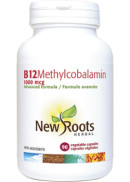
- 1000mcg
- Vitamin B12 (methylcobalamin)
- 374mg
- Red beet (Beta vulgaris) root
- 50mg
- Pau D'Arco (4:1)
- 40mg
- Dandelion (Taraxacum officinale) root extract, 3% flavonoids
- 50mg
- Lapacho (Tabebuia heptaphylla) inner bark
- 0.2533 FCC
- Plant digestive enzymes:
alpha-galactosidase
- 157.5 FCC
- alpha-galactosidase units, alpha-amylase
- 9600 FCC PU
- alpha-amylase dextrinizing units, bromelain
- 16.8 FCC
- cellulase
- 0.666 FCC AGU
- cellulase units, glucoamylase
- 0.453 FCC HCU
- hemicellulase
- 1.05 FCC INVU
- invertase
- 7.253 FCC ALU
- lactase
- 40 FCC LU
- lipase
- 1.73 FCC DP
- maltase
- 4000 FCC PU
- papain
- 0.8 FCC endo‑PG
- pectinase
- 0.0333 FCC FTU
- phytase
- 552.5 FCC HUT
- fungal protease
- 0.76 FCC SAP
- acid protease
- 60 FCC HUT
- neutral protease
- IV 27.33 FCC HUT
- dipeptidyl-peptidase
Vegetable magnesium stearate and silicon dioxide in a non‑GMO vegetable capsule composed of vegetable carbohydrate gum and purified water.
Contains no: preservatives, artificial flavour or colour, sugar, milk, starch, wheat, yeast, citrus or egg.
 Veggie Caps
90 V-caps
Take 1 capsule daily with meals or as directed by your health care provider.
- Advanced B12 formula with supporting herbs.
- Supports healthy nervous system functions.
- Needed fro proper digestive functions and to support overall good health.
- May be helpful for anemia.
- Easy to swallow non GMO capsule.

Proudly Manufactured In Canada & Available National Nutrition.
New Roots Herbal offers high-quality natural health products like their best-selling probiotics, digestive enzymes, chill pills, strong bones, acidophilus ultra and black cumin seed oil among hundreds more herbal remedies. Founded in 1985 New Roots Canada delivers formulas that were designed to contribute to the prevention and cure of disease at their core. You can buy all New Roots supplements at National Nutrition.ca Read more >- Reviews
- POST A NEW REVIEW
Reviews By Rating
helpful votes
0
0 customers found this product review helpful
New Roots Advanced B12 Formula
Vitamin B12 is a member of the vitamin B complex also called cobalamin and is important to good health. It helps maintain healthy nerve cells and red blood cells, and is also needed to make DNA, the genetic material in all cells. Vitamin B12 is bound to protein in food. Hydrochloric acid in the stomach releases vitamin B12 from protein during digestion. Once released, B12 combines with a substance called intrinsic factor (IF) before it is absorbed into the bloodstream.
Bacteria synthesize B12 exclusively and common sources are found primarily in meat, eggs and dairy products. Vitamin B12 is necessary for the synthesis of red blood cells, the maintenance of the nervous system, and is very important for the growth and development in children. Deficiency can cause anemia and the degeneration of nerve fibres. Irreversible neurological damage can also occur.
Vitamin B12 is also necessary for the rapid synthesis of DNA during cell division. This is especially important in tissues where cells are dividing rapidly, particularly bone marrow tissues responsible for red blood cell formation. If a deficiency occurs, DNA production is disrupted and abnormal cells called megaloblasts are formed. This results in anemia. Symptoms include excessive tiredness, breathlessness, listlessness, pallor, and poor resistance to infection. Other symptoms can include a smooth, sore tongue and menstrual disorders. Anemia may also be due to folic acid deficiency, folic acid also being necessary for DNA synthesis.
The Nervous System
An insulating fatty sheath comprised of a complex protein called myelin surrounds our nerves. B12 plays a vital role in the metabolism of these fatty acids essential for the maintenance of myelin. Prolonged B12 deficiency can lead to nerve degeneration and irreversible neurological damage.
When deficiency occurs, it is more commonly linked to a failure to effectively absorb B12 from the intestine rather than a dietary deficiency. Absorption of B12 requires the secretion from the cells lining the stomach of a glycoprotein, known as intrinsic factor. The B12- intrinsic factor complex is then absorbed in the ileum (part of the small intestine) in the presence of calcium. Certain people are unable to produce intrinsic factor and the subsequent pernicious anemia is treated with injections of B12.
Vitamin B12 can only be stored in small amounts by the body. Total body store is 2-5 mg in adults and around 80% of this is stored in the liver.
Vitamin B12 is excreted in the bile and is effectively reabsorbed. This is known as the enterohepatic circulation. The amount of B12 excreted in the bile can vary from 1 to 10 mcg (micrograms) a day. Reabsorption is the reason it can take over 20 years for deficiency disease to develop in people changing to diets absent in B12. In comparison, if B12 deficiency is due to a failure in absorption it can take 3 years for deficiency disease to occur.
Back to Top ↑