

- 180mg
- Cascara sagrada (Frangula purshiana) aged bark
- 160mg
- Butternut (Juglans cinerea) bark
- 110mg
- Chinese rhubarb (Rheum officinale) root
- 20mg
- Whole Iris moss (Chondrus crispus)
- 20mg
- Cayenne (Capsicum annuum) fruit
- 20mg
- Ginger (Zingiber officinale) rhizome
Vegetable magnesium stearate in a non-GMO vegetable capsule composed of vegetable carbohydrate gum and purified water.
Do not use if safety seal is broken. Keep out of reach of children. Please see below for warnings.
 Veggie Caps
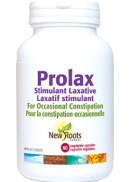
60 V-caps
Adults: Take 2–6 capsules in a single dose the same day, two to three times per week. Allow at least 6 to 12 hours for laxative effect to occur. If results are not observed, the frequency of use may be increased up to once daily. The correct individual dose is the smallest required to produce a soft-formed stool. If you are taking other medications or natural health products, take this product a few hours before or after them.
- Aids in the relief of Occasional Constipation
- Stimulant Laxative
- Herbal alternative
- No gluten, soy, wheat, corn, eggs, dairy, yeast, citrus, preservatives, artificial flavour or colour, starch, or sugar

Proudly Manufactured In Canada & Available National Nutrition.
New Roots Herbal offers high-quality natural health products like their best-selling probiotics, digestive enzymes, chill pills, strong bones, acidophilus ultra and black cumin seed oil among hundreds more herbal remedies. Founded in 1985 New Roots Canada delivers formulas that were designed to address health imbalances and support the body's natural healing processes and overall well-being. You can buy all New Roots supplements at National Nutrition.ca Read more >- Reviews
- POST A NEW REVIEW
NEW ROOTS HERBAL PROLAX:
Cautions and warnings: Consult a health-care practitioner if symptoms persist or worsen. Consult a health-care practitioner prior to use if you are taking cardiac medications such as cardiac glycosides or antiarrhythmic medications, thiazide diuretics, corticosteroids, licorice root, or any other medication or health product which may aggravate electrolyte imbalance; or if you have a kidney disorder, fecal impaction, or symptoms such as abdominal pain, nausea, vomiting, or fever. Reduce dose or discontinue use if you experience abdominal pain, cramps, spasms and/or diarrhea. Call a Poison Control Center immediately if overdose or accidental ingestion occurs.
Contraindications: Do not use if you are pregnant or breast-feeding; if you have abnormal constrictions of the gastrointestinal tract, potential or existing intestinal blockage, atonic bowel, appendicitis, inflammatory colon disease such as Crohn’s disease or ulcerative colitis, abdominal pain of unknown origin, undiagnosed rectal bleeding, severe dehydration with depleted water or electrolytes, or diarrhea; if you have hypokalemia, high blood pressure, or a kidney or cardiovascular disorder; if you have arthritis. Contraindicated in those with a weak stomach and those who do not have constipation.
Known adverse reactions: Discontinue use if hypersensitivity/allergy occurs. With chronic use or abuse, disturbances of electrolyte balance—especially potassium deficiency, albuminuria, and hematuria—may occur; rectal bleeding or failure to have a bowel movement after the use of a laxative may indicate a serious condition. May cause cramp-like discomfort of the gastrointestinal tract, which may require a reduction of dosage. The astringent effect of rhubarb may exacerbate, rather than relieve, symptoms of constipation.
WHAT IS A LAXATIVE?
While most people know what laxatives are, most probably don't know precisely how they work inside the body. They are used to promote regular bowel movements and relieve constipation. They do this by increasing the frequency of bowel movements and/or by softening the stool, making it easier to pass. Various types of laxatives exist, each with its mechanism of action. They include:
Bulk-forming laxatives contain fibre that absorbs water, increasing the bulk of the stool and stimulating bowel movements. They are considered some of the gentlest and safest types of laxatives.
Osmotic laxatives draw water into the colon, softening the stool and promoting bowel movements. These can be divided into saline laxatives (magnesium citrate) and non-absorbable sugar alcohols (lactulose and sorbitol).
Stimulant laxatives – these laxatives irritate the intestinal lining, which causes muscle contractions and promotes bowel movements. They are usually used for short-term relief and include substances like senna and cascara sagrada.
Stool softeners – these laxatives enable water and fats to penetrate the stool, making it softer and easier to pass. Docusate sodium is a commonly used stool softener.
Lubricant laxatives coat the stool with a slippery substance, such as mineral oil, allowing it to move through the intestines more easily.
Choosing Between Natural and Conventional Laxatives
Many laxatives are available over the counter in pharmacies, and many others are sold under prescription for more robust constipation relief. Conventional laxatives are typically synthetic or chemically formulated substances. Natural laxatives, on the other hand, while having similar mechanisms of action, relieve constipation with the use of natural compounds that promote constipation relief and regular bowel movements. Some of the most commonly used natural laxatives are:
Aloe vera is both soothing and can also act as a natural laxative. Whether taken in juice or gel, it stimulates bowel movements safely and effectively.
Cascara sagrada is a bark extract that stimulates the intestines and promotes bowel movements.
Castor Oil is derived from the seeds of the Castor Oil plant (Ricinus communis) and has been used for centuries as a stimulant laxative that stimulates the muscles in the intestines to move stool along and promotes bowel movements.
Flaxseeds are an excellent dietary fibre source and contain soluble and insoluble fibre. They add bulk to the stool and help promote regular bowel movements.
magnesium has a laxative effect when taken in higher doses. It draws water into the intestines, softens the stool and promotes bowel movements.
Psyllium husk is a soluble fibre derived from the seeds of the Plantago ovate plant. It absorbs water and forms a gel-like substance in the intestines, adding bulk to the stool and promoting regular bowel movements.
Senna is a stimulant herb that has a profound laxative effect. It stimulates the muscles in the intestines, promoting bowel movements. It is often found in herbal teas or capsules.
The Advantages of Natural Laxatives for Digestive Support
- Help Soften Stool
- Promotes Regularity
- Reduce The Buildup Of Gas & Waste Material In The Bowel
- Relieves Constipation
- Soothes Bloating & Discomfort Associated With Constipation
Selecting the Right Natural Laxative Supplements
You can purchase natural laxatives in health food stores, online supplement retailers, and many pharmacies. They come in a variety of delivery formats, including tablets, capsules, chewable, liquids and powders. Always follow instructions carefully to avoid stomach upset and other GI symptoms.
Concluding Insights on Natural Laxatives for Improved Digestion
Certain foods, drinks and herbs can make it easier to be regular and prevent constipation. Drinking plenty of fresh, filtered water and adhering to a clean and healthy diet are the best ways to promote regularity. Fruits, leafy greens and other veggies, seeds, certain herbs, and probiotic foods are some of the best foods to include in your diet to promote regularity. Fibre, especially insoluble fibre, is also essential to add bulk to the stool, making it easier to pass through the digestive system. This helps to prevent stool from becoming hard and dry, which can contribute to constipation. Fibre also enhances gut motility and serves as food for beneficial gut bacteria, so it helps improves gut health and one's overall health in general.
Back to Top ↑
-

Hand Soap (Meyer Lemon + Mandarin) - 377ml
Sale: $7.99
Reg.: $9.49 (Save $1.50)












