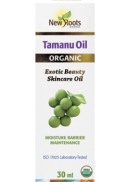
- 30ml
- 100% organic tamanu (Calophyllum inophyllum) seed oil (cold-pressed) (non deodorized) with added natural vitamin E.
Do not consume internally.
Do not use if you're allergic to nuts.
 Liquid
30ml
Place 5-8 drops in your hand and gently massage the oil on your face and neck. Larger body parts may require more oil. Best applied to moist skin, such as following a shower or bath.
- Antimicrobial, antibiotic, antioxidant & anti-aging
- Accelerates healing of cuts, sores, burns, boils, acne, eczema, psoriasis
- Contains Vitamin E

Proudly Manufactured In Canada & Available National Nutrition.
New Roots Herbal offers high-quality natural health products like their best-selling probiotics, digestive enzymes, chill pills, strong bones, acidophilus ultra and black cumin seed oil among hundreds more herbal remedies. Founded in 1985 New Roots Canada delivers formulas that were designed to address health imbalances and support the body's natural healing processes and overall well-being. You can buy all New Roots supplements at National Nutrition.ca Read more >- Reviews
- POST A NEW REVIEW
Reviews By Rating
helpful votes
1
1 customers found this product review helpful
TAMANU OIL
In Pacific island folk medicine, tamanu oil is applied topically to treat a wide variety of skin conditions. Some examples include: cuts, scrapes, burns, insect bites and stings, abrasions, acne and acne scars, psoriasis, diabetic sores, sunburn, dry or scaly skin, blisters, eczema, herpes sores, and to reduce foot and body odor.
The oil is valued for its analgesic and pain-relieving properties and has also been used to treat neuralgia, rheumatism, and sciatica. It is used in Chinese traditional medicine to treat rheumatism, skin infections, wounds, leprous nephritis, pain, eye diseases, and inflammation. Tamanu oil contains constituents that are believed to be anti-microbial and anti-viral as well as regenerative, causing tamanu oil to become extremely popular in the cosmetics industry. It has recently exploded into the spotlight due to being mentioned as an anti-aging oil by Dr. Oz on his popular TV show. There is very little research into the effects of topical use of tamanu oil, and current recommendations are generally based on its traditional uses.
Tamanu oil Research
Of the scarce available research on tamanu oil, there were two interesting findings on certain constituents having antibacterial and antiviral properties. Xanthones isolated from tamanu have antibacterial activity, and the constituent calophyllolide found in the oil has been reviewed as having potential anti-HIV activity. More recent research has also examined its possible role as a biodiesel fuel and as a UV protectant. More research is required on safety and efficacy of the use of Tamanu oil.
How can I use tamanu oil?
Tamanu oil can be found alone in bottles or in combination products for use on the skin. Simply apply topically as required and gently massage into the affected area, or use as a general skin moisturizer on problem areas.
Important Information
There have been reports of allergic reactions to contact with tamanu oil. People with sensitivity to plants in the Clusiaceae family should avoid its use
Skin Health
The skin is the largest organ in the body. It has several important functions. It acts as a barrier to the external environment including harmful microbes, chemicals and radiation. It allows the exchange of water and some nutrients. It can eliminate toxins, minerals and other substances that have built up inside the body.
It modifies vitamins, like vitamin D, into more active forms. It helps to regulate body temperature. It is a monitor as to the health of our internal environment because the skin is one of the last organs to be nourished. Signs of deficiency often show in the skin before other areas of the body have been affected.
Healthy skin also impacts on our mental and emotional well-being because skin is one of the first things we notice when we see someone. Skin can be used to judge a person's age, social status and health. Billions of dollars are spent each year in the cosmetics and personal hygiene industry. A great majority of this is to make our skin look healthier and more youthful. What can we do naturally to help our skin so that it will be healthy and maintain its youthful appearance?
Skin is made up of several layers. The epidermal outer layer contains keratinized skin cells. It is the fibrous, protective shield for the body. The epidermis is firmly attached to inner layers of irregular connective tissue, the dermis. The dermis contains collagen, the structural support, and elastin, the stretchy support. Only the dermis has blood supply, nutrients reach the outer skin layers only by diffusion.
Degeneration of the skin occurs for several reasons:
- Free radical damage
- Lack of moisture (water) and oil
- Lack of nutrients and protein
Free radicals are unstable molecules that in their bid to become more stable must bump into healthy cells and cause damage. This can cause cell death, alterations in genetic material and autoimmune reactions to damaged cells. Ultraviolet radiation from the sun is the major contributor of free radicals that build up in the skin.
Skin oil is produced in the sebaceous glands. Its job is to coat the skin and prevent too much water from evaporating off the skin's surface. Water keeps the skin hydrated. The connective tissue in the dermis is composed of elastin and collagen. These substances need a supply of protein and nutrients to repair damage and form new tissue when needed.
Acne
Acne is a common skin complaint is characterized by pimples, blackheads, and whiteheads. It affects most of our society at some point in their life.
Nutritional deficiencies, exposure to environmental toxins, stress, genetics, hormonal imbalances and some pharmaceutical drugs can cause acne. It is rarely caused by uncleanliness.
Psoriasis
Psoriasis is a common skin condition in which there is an increase in the production of skin layers. Thick, silvery scales surrounded by a red border characterize psoriasis patches. Triggers for psoriasis include hormonal changes, emotional stress, recurrent skin irritations, surgery, cuts, medications, poor diet, and poor digestive function and alcohol consumption.
Anti-Aging (Wrinkles)
Wrinkles form when the skin loses its elasticity and maintains a permanent crease. It usually happens around the eyes, cheeks and lips because these areas repetitively form facial expressions like smiling or frowning. The most important factor in the development of wrinkles is sun exposure. Damage from UVA rays, which are present all year round, can attribute to up to 90 percent of skin aging. Other factors that contribute to wrinkled skin are nutritional status, habitual facial expressions, stress, skin care, environmental pollutants, smoking and heredity
You can optimize your skin health and protect against skin degeneration in many ways, including:
- Follow a healthy dietary plan
- Drink lots of filtered water.
- Reduce the accumulation of toxins and waste products with regular organ detoxification
- Have a balanced lifestyle with time for exercise and relaxation
- Minimize exposure to the sun and wear sunscreen year round.
- Do not smoke.
- Have a daily skin regimen that includes skin-nourishing hygiene products.
- Use appropriate nutritional and herbal supplements
Back to Top ↑