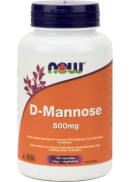
- 500mg
- D-Mannose
Veg Capsule (hypromellose, water), Rice Flour, Stearic Acid (vegetable source), Silica, Magnesium Stearate (vegetable source)
If you are pregnant or breastfeeding, consult a health care practitioner prior to using this product. If symptoms persist or worsen, consult a health care practitioner.
 Veggie Caps
120 V-caps
Adult Dosage: Take 2 capsules twice daily
- Support and maintain a healthy urinary tract
- May help prevent UTI's & Bladder infections
- Naturally derived from corm and sweet potatoes
- Completely safe & effective
- Does not interfere with blood sugar regulation

- Reviews
- POST A NEW REVIEW
Reviews By Rating
helpful votes
1
1 customers found this product review helpful
What is Mannose?
Technically known as D-Mannose this simple six-carbon sugar is also sold as Seminose or Carubinose. Mannose is a sterioisomer of Glucose and naturally occurs as a monosaccharide in fruit like pineapple and cranberry as well as in the glycoproteins of many plants and fungi. NOW Foods pure Mannose is derived from corn, white and sweet potatoes and has a caloric value similar to other sugars of 4 calories per gram.
Mannose exists in two anomeric forms - alpha and beta. The alpha form is mild sweet while the beta form is bitter. The manufacturing methods for Mannose produce a mixture of these two anomers; thereby yielding a product that is mildly sweet with a slight bitter aftertaste. Occasionally a batch of Mannose will have a much more bitter taste, indicating a predominance of the beta anomer over the alpha one.
How can a simple sugar like Mannose be good for me?
Studies suggest that Mannose may maintain and support a healthy urinary tract by blocking the adhesion of disease causing organisms like E. coli to the surface of the host tissue. In most cases pathogenic bacteria that cause urinary tract infections do so by utilizing tiny hair-like projections on their surface called fimbrium. Protruding from the tips of these fimbrium are glycoproteins called lectins. It’s these lectins that bind to certain sugar components like Mannose that are present on the surface tissues that line the urinary tract thereby initiating the bacterial infection process. When sufficient Mannose is consumed the excess molecules of this sugar present in the resident urine act as a sacrificial bodyguards that attach themselves to the lectins thereby blocking the disease causing E. coli from adhering to the tissues of the bladder and subsequent colonization. The Mannose bound E. coli bacteria are subsequently flushed away by the urine through the urinary tract and down the “ porcelain drain”.
Does Mannose act like sucrose once digested?
Though Mannose is a simple sugar and is absorbed in the upper gastrointestinal tract, it is absorbed at a slower rate than most sugars and is not readily converted to glycogen for storage. A substantial amount of Mannose is absorbed into the bloodstream mostly unchanged and after passing through the kidneys it’s excreted into the urine and continues its journey through the ureters, bladder and urethra where it performs a valuable service to support and maintain a healthy urinary tract before exiting the body.
What causes UTIs?
Infections of the urinary tract are quite common, especially in women. Infections usually begin when bacteria colonize the bladder lining and cause inflammation (cystitis). The infection may spread up into the kidney causing nephritis or to the prostate causing prostatitis.
Interstitial cystitis is a chronic infection between the bladder lining and muscular layer. Its exact cause is unknown but it is usually non-infectious and occurs subsequent to several cystitis episodes.
Factors that predispose an individual to bladder infections are poor hygiene, the use of perfumed of coloured hygiene products, antibiotic use, oral contraceptive use, catheter use, sexually transmitted diseases, stress, Candida, and poor nutrition.
Symptoms of cystitis are urinary frequency and urgency with burning pain on urination. Emptying the bladder may not relieve the symptoms. The urine may be cloudy or “coke coloured”, due to the presence of blood. Lab testing of the urine reveals the presence of bacteria. Symptoms can be mild, with gradual onset or severe, with a quick onset. Fever and lower back pain signal that the kidney is affected. The symptoms of interstitial cystitis are the same but are usually recurring and lab testing is negative for bacteria.
Conventional treatment of cystitis involves the use of antibiotics to clear up the current infection. However, the body becomes susceptible to subsequent infections if friendly bacteria are not replaced. The overuse of antibiotics has also lead to antibiotic resistant strains of urinary tract pathogens. Individuals can help to minimize resistance by using antibiotics sparingly and always taking recommendations until they are finished.
Can I Help Prevent UTIs?
To prevent cystitis proper hygiene is essential. Do not use scented or coloured toilet paper or feminine hygiene products. Douches, lubricants, latex condoms, spermicides and seminal fluid can also cause bladder irritation. For women, always wipe from front to back when using the toilet and both partners should urinate as soon as possible after sexual intercourse. Wear breathable cotton underwear. Exercise the bladder by contracting the bladder muscles as you would to stop the flow of urine. Repeat this several times a day.
Dietary interventions to prevent cystitis include drinking 2-2.5 litres of filtered water or unsweetened cranberry juice daily. This flushes the urinary tract. Cranberry juice inhibits bacterial growth and prevents the binding of the bacteria to the bladder wall. Carrot and watermelon juices also flush the urinary tract. Eat garlic for its antibacterial properties. Avoid spicy foods, acidic foods, refined carbohydrates, sugar in all forms, coffee, black tea, tomatoes, spinach and yeast because they may irritate the bladder. For interstitial cystitis maintain an alkaline diet.
Back to Top ↑