

- 470 mg
- Organic Senna (Cassia angustifolia) (Leaves)
Veg Capsule (hypromellose, water), Magnesium Stearate (vegetable source)
Keep out of reach of children. Please see below for more information.
 Capsules
100 Caps
Adult & Adolescents 11+ Dosage: Take one capsule 3-4 times per day. Allow for at least 6 to 12 hours for laxative effect to occur. Take a few hours before or after taking other medications or health products. Take a single dose at bedtime. Take two to three times per week. If results are not observed, the frequency of use may be increased up to once daily.
- For the short-term relief of occasional constipation
- Gentle action
- herbal laxative to support regularity
- Kosher & Vegan
- Free from corn, dairy, egg, gluten, soy, nut & GMOs

- Reviews
- POST A NEW REVIEW
Cautions & Warnings: Consult a health care practitioner prior to use if you are taking thiazide diuretics, corticosteroids, licorice root, or other medications or health products that may aggravate electrolyte imbalance, or if you have a kidney disorder, or are taking cardiac medications such as cardiac glycosides or antiarrhythmic medications. Consult a health care practitioner prior to use if you have faecal impaction or symptoms such as abdominal pain, nausea, vomiting, or fever, or if symptoms persist or worsen. Reduce dose or discontinue use if you experience abdominal pain, cramps, spasms, and/or diarrhoea. Consult a health care practitioner if symptoms persist or worsen. Do not use if you are pregnant or breastfeeding, and/or if you have abnormal constrictions of the gastrointestinal tract, potential or existing intestinal blockage, atonic bowel, appendicitis, inflammatory colon disease such as Crohn’s disease or ulcerative colitis, abdominal pain of unknown origin, undiagnosed rectal bleeding, or severe dehydration with depleted water or electrolytes. Hypersensitivity is known to occur, in which case, discontinue use.
SENNA HERB SUPPLEMENT
Senna (Senna alexandrina) is an ornamental herb plant that figures prominently in herbalism. Its name is from the Arabic word "sana," meaning a medicinal plant. The plant belongs to the legume family Fabaceae and thrives in semi-arid climates, originating in the Sudanese region of North Africa, where it was first cultivated for medicinal use. Over time, Senna's popularity spread across the Middle East and eventually reached the Indian subcontinent. Today, Senna can be found in various tropical and subtropical regions worldwide.
The Senna herb contains anthraquinones, particularly sennosides A and B, which impart the leaves with powerful laxative effects. Notably, these compounds stimulate the muscles of the colon, which promotes bowel movements and, ultimately, relieves constipation. The Ebers Papyrus, one of the oldest preserved medical texts, mentions using Senna as a laxative, with ancient Greek and Roman physicians later recognizing the plant's digestive properties in general.
Beyond its role as a laxative and digestive aid, recent research suggests that Senna may have other exciting benefits, such as weight management. While Senna is generally safe for short-term use, it's important to mention that it should be used with caution, as prolonged or excessive use may lead to dependence, electrolyte imbalance, and other complications. Always follow the dosing instructions on the product you purchase. Do not use Senna for an extended period without consulting a qualified healthcare practitioner.
Top Health Benefits Of Senna
- Aids Colon Cleansing By Promoting The Elimination Of Wastes & Toxins
- May Provide Relief From Hemorrhoids
- Promotes Bowel Regularity
- Relieves Constipation & Bloating
- Supports Gastrointestinal Health
- Weight Loss Aid
Who Should Consider Senna Herbs?
Individuals who may benefit from using Senna include those experiencing temporary constipation or needing relief from occasional irregularity. It can be beneficial for people with conditions such as irritable bowel syndrome (IBS) or those recovering from surgery when temporary assistance in promoting regular bowel movements is necessary.
Senna Supplement Varietes & Herbs
Sessa can be purchased by itself either in dried leaf form, as well as in teabags, or as a supplement, in capsules, tablets, liquid tincture, or powder. It is also frequently added to combination laxative supplement blends alongside other herbs such as cascara sagrada, aloe, rhubarb, slippery elm, and psyllium.
Final Considerations
Senna should be used with caution in pregnant and breastfeeding women, as its safety in these situations is not well-established. Notably, it can cause uterine contractions. Also noteworthy, Senna is generally not recommended for use in children under the age of 2, and those over age 2 should only use it under the guidance of a healthcare professional.
Senna should not be used if there is a known or suspected intestinal obstruction, as it can worsen the condition. People with Crohn's disease or ulcerative colitis should avoid Senna, as it may exacerbate intestinal inflammation.
Back to Top ↑

-
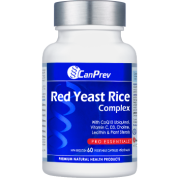
Red Yeast Rice Complex - 60 V-Caps
Sale: $39.99
Reg.: $43.99 (Save $4.00)












