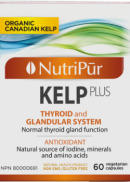
- 225 mg
- Organic Canadian Kelp blend (Fucus vesiculosus, Laminaria species, Ascophyllum nodosum)
- 150 mcg
- Provides: Iodine
Hypromellose (vegetarian capsule), magnesium stearate (vegetable source).
Seek medical advice before taking this product if you have iodine or kelp allergies or a thyroid gland disorder. Consult a healthcare practitioner before taking if you have thyroid medication, are pregnant or breast feeding women. Consult a healthcare practitioner before taking if you suffer from cardiac disease.
 Veggie Caps
60 V-caps
Adults: Take 1 capsule, one to three times a day, or as directed by a health practitioner. As an alternative for the glandular system: Take 1 capsule, 5 times a day
- Helps in the normal function of the thyroid gland
- An exceptional source of iodine and minerals
- Helps relieve excessive fatigue and exhaustion
- Strengthens hair and nails
- Provides antioxidants
- No artificial colours, preservatives, gluten, lactose and GMO free and vegan
- Reviews
- POST A NEW REVIEW
KELP
By: Articles by a Naturopathic Doctor and a Holistic Nutritionist
This beautiful plant from the ocean is a great way to ensure your mineral status is sufficient ...
Kelp is an edible seaweed, of the brown algae family (Phaeophyceae) that is extremely rich in health-promoting nutrients. It contains all of the B vitamins, plus macro minerals and trace minerals. Kelp contains iodine, a major component of thyroid hormone, the hormone responsible for setting the body's metabolic rate. The fibre content of kelp, known as "alginate", has also been shown to help slow fat absorption in the gut, thus aiding in weight loss.
Nutritional Content
Kelp's mineral content also supports the brain, nerves, blood vessels, hair, skin and nails. It can also help to protect the body from damage due to radiation both from the sun and due to cancer therapy. Natural health practitioners recommend kelp for a variety of conditions including: hypothyroidism, hair loss, obesity, ulcers, constipation, radiation sickness and poor mineral status.
Alginate and Weight Loss
There is a fibre extracted from kelp called alginate that has been used as a thickener in a number of processed products such as: jellies, desserts, toothpaste and even dog food. One 2010 study found that alginate from kelp is better at slowing fat absorption than most over the counter weight loss treatments. In this way, alginate is used much like agar before or during a meal to increase bulk in the stomach to speed the feeling of "fullness" with the meal, and to slow the absorption of excess fat during digestion.
Iodine & Kelp
Iodine has become so difficult to get in the diet that staple foods like table salt are now enriched with iodine. In the case of iodized salt the inorganic form of iodine is added. Natural, organic sources, such as those derived from the seaweeds known as kelp and bladderwrack are much more absorbable and easier for the thyroid gland to use that the inorganic (mined) sources used to enrich foods.
Iodine Content and Radioactive Iodine
Kelp, rich in iodine, has the potential to protect the thyroid from taking up radioactive iodine, in the case of nuclear disaster, as seen in Japan in March of 2011. Radioactive iodine is strongly associated with the development of thyroid cancer, especially in infant and children populations. The iodine found in kelp binds with receptors on the thyroid gland, essentially filling the receptors, making it impossible for radioactive iodine to bind and be utilized by the gland in the making of thyroid hormone. Excess iodine can cause thyroid dysfunction, so it is not advised long-term, especially in children. Individuals with a hyperthyroid condition are not advised to take Kelp or iodine.
Hypothyroidism
Some cases of hypothyroidism can be attributed to lack of iodine, and this causes a swollen thyroid (goiter). When there is insufficient iodine available to the thyroid gland, it is not able to produce sufficient thyroid hormone. Thus, it cannot properly regulate the body's metabolism, a condition known as hypothyroidism. Hypothyroid individuals experience many symptoms due to a lack of thyroid hormone including: fatigue, weight gain, hair loss, constipation, and frequent colds and flus.
How Can I Get More Kelp?
Kelp can be eaten raw but it is usually found dried in sheets, or powdered for use as a salt substitute. A liquid form can be added to drinking water. As a supplement kelp is found in tablets. Some commercial "green food" smoothies and "energy" drinks may contain kelp. Green food supplements are combinations of medicinal foods and herbs, and may contain kelp. In a supplement form, iodine is usually derived from natural seaweed sources and is available in both liquid and capsule, or tablet, forms. The standardized types of these supplements contain a higher level of iodine and a consistent amount in each tablet – usually about 150mcg (0.15mg). This is the preferred form for clinical use in low thyroid conditions, while the un-standardized kelp is suitable for people in need of a daily supplement for health maintenance.
Kelp – Quick Facts
Sources
· Wild Harvested From The Ocean. Often Found In Green Food Supplements.
Applications
· Hypothyroidism, Hair Loss, Obesity, Ulcers, Constipation, Radiation Sickness, Poor Mineral Status
Optimum Dosage
· As A Salt Substitute To Taste. As A Supplement, As Recommended On Product Label. (Clinical Doses May Be Higher As Recommended By Your Practitioner).
Works Well With
· Other Detoxification Supplements, Green Food Supplements
Important Information
· Kelp Contains Iodine And Should Be Used With Caution By Individuals With Thyroid Conditions.
· Like All Sea Extracts - Depending On Its Source Location, Kelp May Contain Heavy Metals. Be Sure To Use Trusted Sources Only.
· Do Not Use Kelp If You Have An Allergy To Seafood, As An Allergic Reaction Can Occur.
· Use Caution When Using Kelp With Blood Thinners As Kelp May Have An Additive Blood Thinning Effect.
Back to Top ↑