

Store in a cool, dry place. Keep out of reach of children.
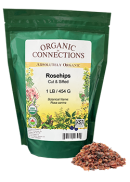
Cut & Sifted
454g
Add to your own herbal combinations or brew as a tea.
- Cut & Sifted
- Organic
- Absent of harmful chemicals and GMOs
- Slight tart, sweet taste
- Brew with hibiscus for a refreshing summer drink
- Packed with vitamin C and antioxidants
Certified Organic Loose Herbal Teas & Remedies
Organic Connections makes quality food supplements including: Organic ground Cinnamon powder, both Ceylon and Cassia and Organic Slippery Elm Bark powder to provide fibre and support intestinal health. Organic Connections believes in quality, natural and organic ingredients to provide the best in natural health. Read more >- Reviews
- POST A NEW REVIEW
Reviews By Rating
helpful votes
0
0 customers found this product review helpful
Antioxidants
By: Articles by a Naturopathic Doctor (N.D.)
If there's a fountain of youth out there, antioxidants are it!
What are they?
Antioxidants are a large class of substances that help to neutralize free radicals. Free radicals are unstable molecules with an unpaired electron that are extremely reactive, and damage surrounding cell membranes, fats, and fat-soluble vitamins and nutrients. We encounter free radicals through environmental exposures, such as cigarette smoke, air pollution, processed foods, and ultraviolet radiation from the sun (UV rays).
What are the effects of free radicals?
Because of the highly reactive nature of free radicals, they can cause damage to any aspect of our cells and tissues. When the damage affects the cellular DNA, cell growths can result. When the damage is to cell membranes and nutrients, an inflammatory response results, which can cause a wide variety of different diseases. Eventually, with prolonged free radical attack, the body begins to break down and this results in the physical signs of aging.
What do they do?
Antioxidants play a huge role in our everyday cellular processes. Because of their far-reaching effects, it is difficult to study the effects of supplementation directly. Instead, research has focused on what occurs when antioxidant levels are low and oxidative stress becomes high in the body. This condition has been associated with stroke, cardiovascular disease, neurodegenerative disease, arthritis, Parkinson's, Alzheimer's, diabetes, and the physical signs of aging. Thus, it seems rational to suppose that increasing the intake of antioxidants can help to protect against the development of these conditions. Because of their ability to neutralize free radicals, antioxidants act as guardians in our bodies by protecting our cells, DNA, and nutrients from attack. Thus, antioxidants almost act as a "fountain of youth" by protecting us from the physical causes of aging and many diseases.
Antioxidants
Some examples of the better sources of antioxidants are listed below. Please note that fruits and vegetables naturally contain varying combinations and concentrations of many of the vitamins and nutrients listed here:
Vitamin A
This vitamin is required for the creation of the molecules in the back of our eyes responsible for vision. It also plays a role in blood cell development, immunity, and skin health.
Vitamin C
This vitamin speeds tissue growth and repair, supports hormone production, increases immune system functioning, protects the body from toxins and prevents cell growths. It also regulates cholesterol, blood pressure and blood clotting.
Vitamin E
Is a class of molecules that act as powerful antioxidants that can prevent, and treat, many conditions associated with aging such as: cardiovascular disease, cataracts, Alzheimer's, and even cancer.
Alpha Lipoic Acid
Alpha lipoic acid is a potent dual solubility antioxidant and mitochondrial coenzyme that aids in the burning of glucose to form energy (as ATP). It is soluble in both fats and water, and aids in blood sugar control, and liver detoxification. It also helps to regenerate other antioxidants so they can continue to function even after they have been used once.
Carotenoids
This class of molecules is responsible for much of our vision, and greatly benefits eye health. Some examples of common carotenoids are: astaxanthin, zeaxanthin, lutein, lycopene and beta-carotene.
CoEnzyme Q10 (CoQ10)
CoQ10 plays a role in the prevention of a number of cardiovascular diseases such as: heart attacks, strokes, high blood pressure, and high cholesterol.
Super Oxide Dysmutase (SOD)
This enzyme is present in each of our cells and is responsible for converting the free radical superoxide into hydrogen peroxide and oxygen. It plays a huge role as an antioxidant and anti-inflammatory molecule.
Glutathione
This peptide is found in our liver and plays a large role in our detoxification pathways. It is used to change toxic chemicals and metabolic byproducts into harmless substances for excretion from the body.
Matcha
Like super-concentrated green tea, matcha helps to provide a massive dose of antioxidants that is the equivalent to drinking 10 cups of regular green tea!
Melatonin
This naturally occurring hormone is released in our brain and is responsible for the feeling we refer to as "sleepy". Levels decline with age, and it is theorized that supplementation can help reverse the effects of aging.
Superfruits
These fruits contain such high levels of antioxidants by weight that they have earned the title "superfruit". Some examples of superfruits are: açaí berry, goji berry, noni fruit, and sea-buckthorn.
Back to Top ↑
-

RegenerLife Creatine Monohydrate (Unflavoured) - 300g
Sale: $23.97
Reg.: $29.99 (Save $6.02)
-

Coconut Hand & Body Lotion (Nourishing) - 237ml
Sale: $13.77
Reg.: $16.17 (Save $2.40)
-
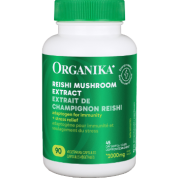
Reishi Mushroom 250mg - 90 Caps
Sale: $19.99
Reg.: $24.99 (Save $5.00)












