- 20
- Calories
- 5g
- Carbohydrates
- 0g
- Fibre
- 4g
- Sugars
- 25mg
- Potassium
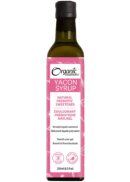
Organic Yacon Root Syrup
Certified organic by Ecocert Canada. Keep refrigerated
 Liquid
250ml
Use 1-2 teaspoons in every recipe instead of sugar, honey or agave.
- Natural sweetener
- Ideal for those on carb-cautious diets
- Low glycemic score with no effect on blood sugar
- Prebiotic
- Contains FOS

It’s Not A Trend, It’s a Tradition... Naturally
Organic Traditions Fibre Flow range offers an easy and delicious way to support daily digestive health and increase fibre intake, with options like Fibre Flow (Strawberry), Fibre Flow (Unflavoured), Fibre Flow (Yuzu Lime), and Fibre Flow (Variety Pack), all made with clean, plant-based ingredients to support gut wellness. The functional latte collection includes nourishing blends such as Matcha Latte With Probiotics, Turmeric Latte With Probiotics And Saffron, Beet Latte With Probiotics, Chocolate Latte With Ashwagandha And Probiotics, Lavender Latte, Pumpkin Spice Latte, Holiday Spice Latte, Mint Chocolate Latte, and Yerba Mate Mint Latte With Matcha And Probiotics, delivering targeted benefits for energy, immunity, relaxation, and overall wellness. Shop these high-quality superfoods right here at National Nutrition.ca Read more >- Reviews
- POST A NEW REVIEW
Reviews By Rating
helpful votes
1
1 customers found this product review helpful
Since Dr. Oz did his Yacon Syrup Project everyone's been buzzing about this oh, so sweet sugar substitute with the potential to aid in weight loss! This is great news for those of you watching your waistline (it'll soon be time to fit into that holiday dress!), as well as those struggling to regulate blood sugar. That's right, diabetics can enjoy yacon syrup! It's low on the glycemic index and therefore does not increase blood sugar levels. It is also low calorie and all natural, so the nasty side effects associated with many aritificial sweeteners are not an issue here. Although this is not a new product (Yacon has been used in Peruvian communities for thousands of years), we are learning more and more about its many health benefits and it's quickly become a hot item and flying off the shelves at National Nutrition!
So where did it come from?
The Yacon is a member of the Asteraceae family, close to the sunflower, and native to the Andean region of South America. The yacon itself looks very similar to a potato, but tastes more like an apple! The tuberous root is boiled down to produce a syrup that is often compared to molasses.
What makes it so great?
The Yacon is high in inulin, a complex sugar that breaks down slowly into fructooligosaccharides (FOS). In fact, the Yacon has one of the highest concentrations of FOS in any plant. For those not familiar with FOS, it is a term that has become synonymous with PRE BIOTIC, meaning it helps to stimulate our own production of probiotic bacteria in the gut. FOS is non-digestible, resistant to gastric acidty and enzymatic processes that allow us to break down what we consume. This means it travels untouched to the large intestine, where it selctively stimultes the growth of intestinal bacteria (selective b/c it increases the bacteria we need, in the amounts we need it!). A balanced gut flora promotes a healthy immune system and regulates digestion. Inulin is also considered a soluble fibre, known for its ability to help balance blood sugar levels, as well as lower cholesterol. Yacon is also an excellent source of minerals including potassium, calcium, phosphorous and iron, as well as 20 amino acids. Again, of great benefit to diabetics in particular, yacon syrup is naturally sweet, while coming in extremely low on the glycemic index (almost 0), meaning there's no spike in blood sugar levels after consumption.
Prebiotics/FOS
A balanced gut flora helps to promote health absorption and digestion, and significantly improves and regulates our immune function. What many people do not know is that FOS, or 'prebiotics', can help to naturally increase our production of 'healthy bacteria', no live cells required.
Prebiotics are defined based on 3 criteria; 1) The (food)source must be non-digestable and resistant to gastric acidity, hydrolysis by intestinal digestive enzymes, and gastrointestinal absorption. 2) It must be fermentable 3) should, in a selective way, stimulate growth and/or metabolic activity of intestinal bacteria, which it does at the expense of pathogenic bacteria.
Two specific fructooligosaccharides (FOS), inulin and oligofructose, are considered by Marcel Roberfroid, the man who both discovered and named prebiotics in 1995, to be the only sources to fully meet his definition of prebiotics.
Although a food cannot be considered a prebiotic, certain foods can be a rich source of prebiotic or have higher prebiotic potential. Foods with a high inulin content, for example include Jerusalem artichoke, onion, garlic, and chicory root. These foods are said to selectively increase the production of both the lactic acid producing bacteria (Lactobacillus species) and the bifidobacterium species of 'beneficial' bacteria. FOS is a form of fibre, meaning it also has the added benefit of being able to regulate blood sugar, applicable not only to individuals with diabetes or prediabetic, but helpful for those looking to control cravings and weight gain. Fibre has also been shown to help to lower cholesterol.
A synbiotic diet is one that is high in both prebiotic and probiotic foods/supplements. Pre and probiotics when taken together enhance each others' effects. This is why many companies are now including prebiotic fibre/FOS/inulin in with the live cells of a probiotic. Prebiotics can be taken this way, in capsule form, or in powder. Some companies are now combining these rich prebiotic substances with protein, multi mineral combinations and greens to increased overall health.
Back to Top ↑