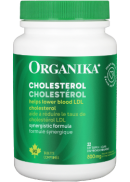
- 200mg
- Free Plant Sterols (Seed [Glycine max]) Containing 80% combined beta-sisterol, campsterol & stigmasterol)
- 150mg
- Oat Seed Standardized to contain 22% beta-glucan
- 80mg
- Green Tea Dried Leaf Extract Standardized to contain 60% total catechins and 1.5% caffeine
- 50mg
- Lovastatin-free Red Yeast Rice
croscarmellose sodium, magnesium stearate, microcrystalline cellulose, silica
Not just for those looking to lower cholesterol
 Tablets
90 Tabs
Take 2 tablets twice daily with meals and a glass of water.
- Helps lower blood total LDL cholesterol
- Supports heart health
- Supports healthy balance between LDL (bad) & HDL (good) cholesterol
Nourishment Rooted in Nature - 12 New Added
Organika, formulators of Canada’s best-selling Collagen and marine collagen and Bone Broth supports skin and joint health. Organika's health products also include; Organika spirulina, Chlorella, Curcumin to support inflammation, Organika Enhanced Collagen Protein, and Adaptogens to provide balance. Shop Organika here at National Nutrition.ca for quality, Canadian-made supplements. Read more >- Reviews
- POST A NEW REVIEW
Reviews By Rating
helpful votes
2
2 customers found this product review helpful
high cholesterol
Cholesterol is an essential molecule in our bodies. Our body cells use cholesterol to support their cell membranes and some of the membrane associated receptor molecules. Cholesterol is also used to make steroid hormones in the body. Some examples of steroid hormones are reproductive hormones such as estrogen, progesterone, testosterone, and the stress hormone cortisol. Because of this, it is essential to keep cholesterol in balance in the body.
Blood Cycle
Cholesterol cycles from the liver to the body cells, and back again, via the blood. LDL cholesterol consists of fats that are being transported from the liver for use by your cells. HDL cholesterol consists of fat that is taking unused (excess) cholesterol from your cells back to the liver, where it is excreted. Because of this, high levels of LDL are not a big concern, so long as there are sufficient levels of HDL to retrieve any excess cholesterol left behind in the body. Thus, cholesterol levels are unhealthy if you have excess circulating LDL, insufficient HDL, or a combination of the two. Cholesterol that is left in the rest of the body and not retrieved by sufficient HDL can build up inside the arteries and when combined with systemic inflammation, can cause cardiovascular disease. Thus, maintaining cholesterol balance, or a good cholesterol ratio on your blood work is actually more important than targeting LDL cholesterol directly. Supplementing fish oil is an excellent way to boost your HDL cholesterol.
Cardiovascular Disease
Heart disease is one of the leading causes of death in North America. High cholesterol contributes to heart disease when the fatty molecules build up on the inside of arteries. This leads to a decrease in the flexibility and elasticity of the walls and a narrowing of the space inside. As the artery becomes narrower, it leads to high blood pressure because the body struggles to maintain enough blood flow to its tissues. Pieces of the cholesterol plaque can break off or the turbulent flow of blood can cause clots to form. If the pieces or clots lodge in smaller vessels this leads to heart attack or stroke.
Cholesterol Cycle
Interestingly, the liver not only synthesizes cholesterol, it is also responsible for excreting any excess. It does this by mixing it in with the bile, and releasing it into the digestive tract. This cholesterol in the gut gets mixed with any food and is bound by any soluble fibre present. For more information on its cholesterol-binding capability, please see our Fiber article. Once it is bound, the cholesterol is shed with the stool. Unfortunately, any unbound cholesterol in the gut is free to be reabsorbed by the body and to again cycle in the bloodstream.
Lifestyle Changes
Lifestyle factors such as smoking, obesity, improper diet, stress and lack of exercise contribute to your risk of developing high cholesterol and heart disease by causing inflammation and increasing the burden on your liver. It is encouraging to note that adopting a healthier lifestyle and using natural therapies can maintain a healthy vascular system.
Conventional treatment
Standard treatment of high cholesterol with lipid-lowering drugs decreases serum cholesterol but makes only small improvements to your chances of developing heart disease. This may be due to the role of systemic inflammation in arteriosclerosis.
Also, these drugs have many side effects. The most troublesome is the increased risk of depression and suicide amongst medicated individuals. The drugs also deplete vital nutrients for heart health such as coenzyme Q10. For more information, please see our coenzyme Q10 article. These medications can interact with natural products. Consult a health professional before starting any new therapy.
Dietary Changes
There are a number of dietary changes that can be used for high cholesterol. These include maintaining adequate fiber intake and lowering the fat and cholesterol content of your foods. Be sure to drink lots of clear fluids and eat raw fruits, vegetables and whole grains. Include green leafy vegetables, nuts, and seeds. Try to focus on vegetable proteins like legumes and soybeans. Also try to preferentially use unrefined oils like olive, flax and sunflower in your daily diet. Foods to avoid are any margarines, hydrogenated oils, junk foods, fried foods, processed foods, fast foods, white flour products, white sugar products, red meat, ice cream, salt, coffee, colas and other caffeine sources. Eliminate alcohol, tobacco and highly spiced foods to help reduce your systemic inflammation. Use diet, exercise and supplements to maintain a healthy weight.
Limits of Dietary Changes
Dietary cholesterol is different than the serum (blood) cholesterol mentioned above. Eating foods that are high in cholesterol can raise serum cholesterol levels, but the liver is responsible for synthesizing cholesterol as the body requires. This is the way in which genetics plays a role in high cholesterol. Thus, a cholesterol reduction plan should include a low cholesterol diet with other treatments to help to reduce serum cholesterol by treating the liver.
Stress Reduction
Stress reduction techniques such as deep breathing, yoga or biofeedback will help to maintain a healthy stress level. Reducing stress can help to reduce systemic inflammation, and thus help to reduce the risk of cardiovascular disease.
Back to Top ↑
-

Holy Basil Liquid Herb - 50ml - Botanica
Sale: $15.99
Reg.: $19.99 (Save $4.00)