

- 1500mcg
- Beta-Cartoene (natural) (2500IU)
- 5mg
- Vitamin B1 (thiamine) (benfotiamine)
- 5mg
- Zinc (zinc methionine)
- 500mcg
- Copper (copper citrate)
- 50mcg
- Selenium (L-(+)-Selenomethionine)
- 5mg
- Lutein (Tagetes erecta L. (Asteraceae)
- 1mg
- Astaxanthin (Haematococcus pluvialis-whole microalgae)
- 50mg
- Dark Berry 4:1 Extract Blend (Bilberry fruit- Vaccinium myrtillus 25mg, Blackberry fruit- Rubus plicatus 12.5mg, Blueberry fruit- Vaccinium corymbosum 12.5mg)
- 50mg
- Black Currant Fruit 200:1 Extract (Ribes nigrum) (10% cyanidin-3-glucoside C3G)
- 50mg
- Non-GMO Vitamin E Mixed Tocopherol Concentrate (75 IU)(41 IU gamma-tocopherol, 22 IU delta-tocopherol, 11 IU D-alpha-tocopherol,1 IU beta-tocopherol)
- 200mg
- Taurine (L-Tarine)
Do not use if you are allergic to plants of the Asteraceae/Compositae/Daisy family. Consult a health care practitioner prior to use if you are pregnant or breastfeeding. Store in a tightly sealed, light and oxygen-resistant container in a cool, dry place. Free of all common allergens, including: wheat, dairy, eggs, corn, and yeast. Free of all common allergens, including: wheat, dairy, eggs, corn, and yeast.
 Softgels
60 Softgels
Adults: Take 1 softgel two times daily with a meal, or as directed by a health care practitioner. Take a few hours before or after taking other medications.
- With Lutein!
- Contains potent bilberry herb
- A full complex of nutritional supplements for eye health in one convenient product
- Ideal nutritional support for cataracts and macular degeneration
- Easy to swallow and digest softgel form

- Reviews
- POST A NEW REVIEW
Reviews By Rating
helpful votes
3
3 customers found this product review helpful
Damage to the eye from free radicals is largely preventable with the right antioxidant supplements. Read on to discover how you can support long term eye health naturally.The best time to start taking care of your eyes is before a problem even starts. While the progressive loss of vision from the degeneration of the macula does not usually appear until after age forty, the damage to the eye actually begins long before. It begins slowly as damage to individual cells, which after time affects tissues on a larger scale, ultimately resulting in the advanced vision impairment characteristic of this disorder. The earlier you begin intervening against this damage with antioxidants, the better.
Lutein, Clinically Proven to Reduce Macular Degeneration
Macular degeneration is the leading cause of visual loss in North America. It is caused by free radical damage to the macula, the area of the retina responsible for central vision. Blurring in the centre of the visual field eventually makes detail work and reading impossible. The periphery of the visual field remains unaltered. Thus a kind of reverse tunnel vision results.
Free radical damage to light receptor sites of the macula can be slowed and even stopped completely with the right nutritional supplements. The most important supplement to use for reducing the oxidative damage to these cells is the carotenoid lutein.Derived in a supplemental form from marigold flowers and related to beta carotene, lutein has an affinity for the tissues that make up the macula. So, when you take lutein, it protects the macula specifically, while other antioxidants, although useful, are used throughout the whole body.
An analogy that researchers often use to describe this effect is that it is similar to applying a high SPF suntan lotion to your skin to prevent sunburn. A second carotenoid, zeaxanthin, also has a affinity for the macula of the eye and is often included in lutein supplements.
Bilberry, The Eye Herb
Nobel Prize winner Linus Pauling proved that he could slow - and in some cases reverse - the onset of cataracts with supplemental doses of antioxidants. Bilberry extract contains high concentrations of antioxidants called anthocyanosides. These nutrients have been shown in clinical studies to decrease the damaging effects that both ultraviolet light and poor circulation can cause to tissues in the eyes - in particular to the macula and the tiny but fragile blood vessels that feed the eyes with oxygenated blood and nutrients.The macula is the central area in the retina of the eye responsible for fine vision. When it degenerates, so does the eyesight.
Why not Eat blueberries?
Fresh blueberries contain about 0.1 - 0.25% anthocyanoside content by weight. By comparison, bilberry capsules contain 25% anthocyanoside content. To get the same amount of antioxidant effect by eating the fresh fruit, you would have to eat at least 60 grams of blueberries EVERY DAY.
What Makes Bilberry different From Other Antioxidants?
The anthocyanoside antioxidants in bilberry are different than other antioxidants like vitamins C or E because they have a much stronger affinity (or attraction) to the tissues in the eye than any other common antioxidants. This means that bilberry is much more appropriate for therapeutic applications when the eyes are affected than vitamins C or E.
Back to Top ↑
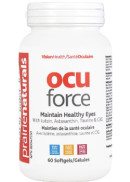
-

Neptune Krill Oil 500mg - 60 Softgels
Sale: $34.99
Reg.: $39.99 (Save $5.00)
-
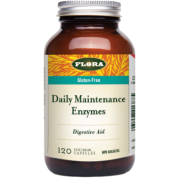
Ultimate Digestive Daily Maintenance Enzymes - 120 V-Caps
Sale: $26.69
Reg.: $32.19 (Save $5.50)
-
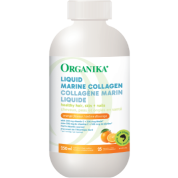
Liquid Marine Collagen (Orange) - 250ml
Sale: $40.99
Reg.: $52.99 (Save $12.00)












