

Soya Protein
Why Select Soy Protein Powder?
The soybean is a legume originally native to East Asia but it's currently grown and cultivated around the world for its edible bean. Nutritionally speaking, soybeans contain significant amounts of phytic acid, a variety of dietary minerals, B vitamins, isoflavones, plant sterols, prebiotics and more. Read more >-

ORGANIC BAOBAB POWDER Ethnoscience Baobab is natural fruit powder from the dried pulp of the Baobab. Mix this RAW powder into a smoothie, juice, or food to benefit from a myriad of amazing health properties: Potent Antioxidant (19,100 ORAC units of Antioxidants), high in fiber, excellent source of prebiotics, rich in amino acids & essential fatty acids, twice as much milk as calcium, six times...
+ Earn 19 Reward PointsSale: $19.99
Reg.: $26.99 (Save $7.00)
In Stock -
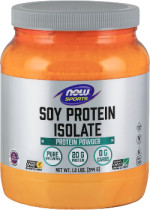
ENSURE THE BASIC BUILDING BLOCK OF GOOD HEALTH ARE MET NOW Non-GMO Soy Protein is a good vegetable source of high quality complete protein that is very low in fat and carbohydrates, and contains an excellent amino acid profile. Soy products, including Soy Protein, are high in phytoestrogens, which may positively support healthy natural estrogen levels in women. Soy Protein also provides benefi...
+ Earn 24 Reward PointsSale: $24.99
Reg.: $29.99 (Save $5.00)
Out of Stock
Get Notified When in Stock
Soy Protein Powder
The soybean is a legume originally native to East Asia but it's currently grown and cultivated around the world for its edible bean. Nutritionally speaking, soybeans contain significant amounts of phytic acid, a variety of dietary minerals, B vitamins, isoflavones, plant sterols, prebiotics and more. Soybeans, of course, are also an excellent source of plant-based protein. It is a complete protein providing all 9 essential amino acids and contains high amounts of protein. Soy protein can be found as a powder supplements, in protein blends or in tofu.
Beyond its use as a supplement, soy protein also offers other considerable advantages to health. In fact, research tells us that consuming soy protein regularly helps to: optimize the body's lipid profile, including lowering total serum cholesterol, LDL cholesterol (the bad one), and triglyceride concentrations, all of which help protect heart health. Soy also offers distinct health benefits for women, thanks to the presence of isoflavones. Indeed soy has been shown to increase estrogen levels in the body, which can help quell symptoms during the perimenopausal and menopausal years (35 to 51). Soy is also beneficial for younger women as it's been shown to help regulate menses and improve fertility.
Benefits of Soy Protein Powder
- Athletic Performance
- Lowers Cholesterol & Triglycerides
- Promotes Heart Health
- Supports the Female Cycle
- Weight Management
Why Select Soy Protein Powder
Soy is an integral part of the diet for most vegetarians and vegans, thanks to its nutritional quality and accessibility. However, it is an excellent option for vegans and meat eaters alike. Soy protein may be especially well suited to helping you lose weight, boost energy and build muscle. It is the perfect option for anyone looking for help with their hormone balance and to protect against heart disease and osteoporosis. Soy is also fantastic for anyone trying to incorporate more plant-based options into their diet.
Soy Protein Supplements
Soy protein is sold in powder form in various flavour profiles and, less frequently, in capsules and tablets as soy protein isolate (containing 90% protein). Soy protein can be blended into milk (animal or plant-based), juice, or your favourite beverage and can be added to smoothie bowls, yogurt, applesauce, oatmeal, and many other foods. Soy protein powders will, more often than not, supply between 15 and 20g of protein per serving.
Final Thoughts
Soy is well tolerated by most people; however, it's important to note that it is also a common allergen. If fact, those that are allergic to dairy are often also allergic to soy. If you're allergic to soy, do not consume soy protein powders.
Certain individuals may experience side effects when they start using soy protein, such as bloating, constipation, nausea, allergies, rash & itching, and fatigue. These typically diminish as you get used to the protein. If you experience GI disturbances, you should start slowly and gradually build your way up to a full dose.
Back to Top ↑








