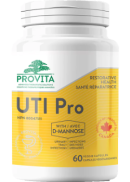
- 300 mg
- D-Mannose
- 200 mg
- Cranberry (Vaccinium macrocarpon)
- 100 mg
- Betula pendula
- 25 mg
- Arctostaphylos uva-ursi
- 15 mg
- Juniperus communis
Microcrystalline cellulose. Capsule shell: hypromellose (plant gelatin).
Consult a healthcare practitioner if symptoms persist or worsen, if you are taking blood thinners or have a history of kidney stones. Consult a healthcare provider before use if you are pregnant or breastfeeding or if you have oedema due to a kidney or cardiovascular disorder. Do not use if seal is broken. Keep out of reach of children. Keep sealed, store in a cool, dry place.
 Veggie Caps
60 V-caps
Adults take 2 capsules per day.
- Helps prevent the re-occurrence of urinary tract infections
- Fast acting against multi-strain bacteria
- Efficient against E. coli infections
- 100% natural - unique and synergistic formula
- Does not contain dairy, egg, gluten, soy, wheat, corn, yeast, nuts, artificial sweeteners, colours or flavours

High-Potency Herbal Supplements by Provita
Provita offers targeted natural solutions for sleep, stress, and cognitive health with formulas like Dream-On for deep, restful sleep without melatonin, GABA Pro to support calm and relaxation, Lion’s Mane 5000 for memory, focus, and brain function, and PS-100+ With ALC for cognitive support and mental clarity. These advanced, non-habit-forming supplements are designed to support neurotransmitter balance, reduce mental fatigue, and promote overall brain health and wellness. Read more >- Reviews
- POST A NEW REVIEW
Reviews By Rating
helpful votes
0
0 customers found this product review helpful
URINARY TRACT INFECTIONS & BLADDER HEALTH
By: Articles by a Naturopathic Doctor and a Holistic Nutritionist
Urinary tract infections can be frustrating and downright painful. While anti-biotics are useful for severe cases, the right supplements and herbs can give you long term relief for recurrent UTIs...
Infections of the urinary tract are quite common, especially in women. Infections usually begin when bacteria colonize the bladder lining and cause inflammation (cystitis). The infection may spread up into the kidney causing nephritis or to the prostate causing prostatitis.
Interstitial cystitis is a chronic infection between the bladder lining and muscular layer. Its exact cause is unknown but it is usually non-infectious and occurs subsequent to several cystitis episodes.
Factors that predispose an individual to bladder infections are poor hygiene, the use of perfumed of coloured hygiene products, antibiotic use, oral contraceptive use, catheter use, sexually transmitted diseases, stress and poor nutrition.
Symptoms of cystitis are urinary frequency and urgency with burning pain on urination. Emptying the bladder may not relieve the symptoms. The urine may be cloudy or “coke coloured”, due to the presence of blood. Lab testing of the urine reveals the presence of bacteria. Symptoms can be mild, with gradual onset or severe, with a quick onset. Fever and lower back pain signal that the kidney is affected. The symptoms of interstitial cystitis are the same but are usually recurring and lab testing is negative for bacteria.
Conventional treatment of cystitis involves the use of antibiotics to clear up the current infection. However, the body becomes susceptible to subsequent infections if friendly bacteria are not replaced. The overuse of antibiotics has also lead to antibiotic resistant strains of urinary tract pathogens. Individuals can help to minimize resistance by using antibiotics sparingly and always taking prescriptions until they are finished.
Good personal hygiene habits can go a long way in preventing cystitis. Women should never wipe back to front when using the toilet and both men and women should urinate following sexual activity and intercourse. Any feminine hygiene products and toilet paper that are scented, coloured or contaminated should be avoided and underwear should be breathable and not too tight. Some products that might cause irritation of the bladder include lubricants, spermicides, douches and latex condoms.
Dietary interventions to prevent cystitis include drinking 2-2.5 litres of filtered water or unsweetened cranberry juice daily. This flushes the urinary tract.
Cranberry juice inhibits bacterial growth and prevents the binding of the bacteria to the bladder wall. Carrot and watermelon juices also flush the urinary tract. Eat garlic for its antibacterial properties. Avoid spicy foods, acidic foods, refined carbohydrates, sugar in all forms, coffee, black tea, tomatoes, spinach and yeast because they may irritate the bladder. For interstitial cystitis maintain an alkaline diet. Read the article entitled “Acid/Alkali balance” for more information.
Back to Top ↑