

Salt
Different Salt Varieties For Everyday Cooking
Salt, that humble white crystal, has been an essential part of human history and cuisine for thousands of years. What was once a precious commodity traded and fought over is now a staple in every kitchen. But there's more to salt than meets the eye (or taste buds). Read more >-
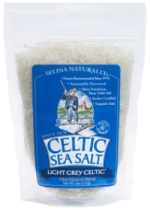
Celtic Sea Salt Brand salt is authentic, unprocessed whole salt from pristine coastal regions. Light Grey Celtic is a mineral-rich, whole crystal (coarse), moist salt that is completely unrefined and hand harvested. Dried by the sun and the wind; it retains the ocean's moisture, locking in a vast array of vital trace elements. Light Grey Celtic gets its light grey hue from the pure clay lining ...
+ Earn 4 Reward PointsSale: $4.99
Reg.: $5.49 (Save $0.50)
Out of Stock
Get Notified When in Stock
-
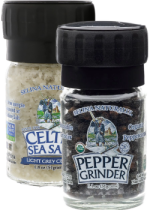
Salt and pepper together, where they belong. This convenient dual package comes with a mini Light Grey Celtic grinder as well as a mini Pepper grinder to meet all of your culinary needs. Celtic Sea Salt Brand salt is authentic, unprocessed whole salt from pristine coastal regions. Light Grey Celtic is a mineral-rich, whole crystal (coarse), moist salt that is completely unrefined and hand harve...
+ Earn 17 Reward PointsSale: $17.99
Reg.: $22.99 (Save $5.00)
Out of Stock
Get Notified When in Stock
Salt: A Staple Seasoning In Everyday Cooking
Salt, that humble white crystal, has been an essential part of human history and cuisine for thousands of years. What was once a precious commodity traded and fought over is now a staple in every kitchen. But there's more to salt than meets the eye (or taste buds). Let's dive into its fascinating history, explore the different types of salt available today, and discover how each can transform your cooking.
Salt - From Currency To Kitchen Staple
Salt's history is as rich and flavourful as the dishes it seasons. Ancient civilizations revered salt not just as a seasoning but as a preservative and even as currency. Indeed, the word "salary" comes from "salarium," a term used by the Romans to describe the payment given to soldiers for purchasing salt. This "white gold" was so valuable that wars were fought over it, and entire economies were built around its trade.
Here are some fun facts about salt: In ancient Egypt, salt was used in religious offerings, and to preserve mummies, ensuring the Pharaohs' safe journey to the afterlife. Salt production in China dates back over 4,000 years, and the Chinese were among the first to extract salt from brine. Medieval European cities like Salzburg in Austria were named after the salt mines that fueled their wealth.
Today, salt is ubiquitous and affordable, but its importance in history has left a lasting legacy in language, culture, and, of course, food.
Salt Varieties: Table Salt To Specialty Salts
Like all things, not all salts are created equal. Each type offers a unique flavour profile, texture, and nutritional content. Here are some of the most common varieties that can elevate your dishes from ordinary to extraordinary.
Table Salt:
Table salt is the most common salt found in kitchens worldwide. It's highly refined, removing impurities and trace minerals, leaving pure sodium chloride behind. Often, it's iodized, meaning iodine is added to prevent deficiencies. Table salt has a fine texture that dissolves quickly. However, its intense saltiness can overwhelm delicate dishes, so it's best used sparingly in recipes where subtlety isn't key. It’s also worth noting that regular table salt gets stripped of its natural minerals during processing, leaving it very nutrient-poor.
Sea Salt:
Sea salt is harvested through the evaporation of seawater, retaining trace minerals like magnesium, calcium, and potassium. These minerals give sea salt a more complex flavour than table salt and a denser nutrient profile. Sea salt can range from coarse to fine depending on where it's harvested and may have a slightly briny taste. It's perfect for finishing dishes, where its crunchy texture and nuanced flavour can shine, whether sprinkled over a fresh salad, roasted vegetables, or even a slice of dark chocolate.
Kosher Salt:
Kosher salt, named for its use in koshering meat, is prized by chefs for its large, flaky crystals and mild flavour. It dissolves more slowly than table salt, allowing for greater control during cooking. Kosher salt is perfect for seasoning meats, as its coarse grains help draw out moisture, leading to a deliciously crispy crust. It's also easier to pinch and sprinkle, making it ideal for cooking where precision is key.
Himalayan Pink Salt:
Himalayan pink salt is mined from ancient salt deposits in the mountains of Pakistan. Its pink hue comes from trace minerals like iron, giving it a slightly different flavour from regular table salt. Its coarse texture makes it a popular choice for salt grinders, and it's often used as a finishing salt to add a burst of colour and flavour to dishes like grilled meats or roasted root vegetables.
Fleur De Sel:
Fleur de sel, literally "flower of salt," is a rare and delicate salt harvested by hand from the surface of salt ponds in coastal France. It's known for its moist texture and rich, complex flavour, which includes hints of sweetness. Fleur de sel is often considered the finest of finishing salts, used to enhance the flavour of dishes without overpowering them. A pinch of fleur de sel can elevate a simple dish like buttered bread or a fresh tomato salad into something extraordinary.
Using Salt In Cooking
Choosing the right salt for your dish can make all the difference. Table salt works well in baking and when you need a quick, even distribution of saltiness. Sea salt and kosher salt are ideal for cooking and finishing, where texture and flavour complexity are desired. Himalayan pink salt adds a visual and flavorful twist, especially as a finishing touch. Fleur de sel, with its delicate crystals and nuanced flavour, should be reserved for dishes where its subtlety can be appreciated, like fresh vegetables, fine chocolates, or even a perfectly cooked steak.
Salt may be a simple ingredient, but its impact on cooking is profound. By understanding the differences between the various types of salt, you can unlock new flavours and textures in your dishes, transforming the ordinary into the extraordinary. So next time you're seasoning, remember: that not all salt is created equal, and choosing the right one can make all the difference in the world.
Back to Top ↑








