

Adrenal Support
Discover How Stress Affects Your Adrenal Health
Nestled atop your kidneys, like little hats, are the adrenal glands—two tiny, triangular powerhouses that play a crucial role in keeping your body balanced and resilient in the face of stress. These glands might not get as much attention as the heart or brain, but when it comes to managing stress, they are the ones working behind the scenes. Read more >-
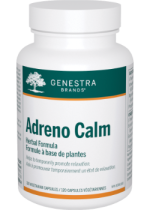
FOR FAST RELAXATION Adreno Calm from Genestra offers a calming combination of phosphatidylserine, L-theanine and herbs encapsulated to promote relaxation when taken at rest, after a mentally draining task or physically exhausting activity. Adreno Calm is quickly absorbed to begin mediating the release of neurotransmitters like GABA, serotonin and dopamine. L-theanine effectively promotes a sta...
+ Earn 91 Reward PointsOur Price: $91.25In Stock
Adrenal Health & Stress Management
Nestled atop your kidneys, like little hats, are the adrenal glands—two tiny, triangular powerhouses that play a crucial role in keeping your body balanced and resilient in the face of stress. These glands might not get as much attention as the heart or brain, but when it comes to managing stress, they are the ones working behind the scenes.
The adrenal glands are vitally important to your overall health as an integral part of the endocrine system. Each adrenal gland is divided into two main parts: the adrenal cortex (the outer layer) and the adrenal medulla (the inner core). Together, these parts produce different hormones that help regulate everything from metabolism to the immune system and, most importantly, stress response.
The adrenal cortex produces hormones like cortisol and aldosterone. Cortisol, often dubbed the "stress hormone," helps the body respond to stressful situations by increasing blood sugar levels, suppressing the immune system, and aiding in metabolism. Aldosterone, on the other hand, helps regulate blood pressure by managing the balance of sodium and potassium in the body. The adrenal medulla produces adrenaline and noradrenaline, the hormones responsible for the "fight-or-flight" response.
The Stress Connection: How Your Adrenal Glands Help You Cope
When faced with a stressful situation—an impending deadline, a traffic jam, or a scary movie—your adrenal glands jump into action. They release adrenaline and noradrenaline, which prepare your body to either confront the stressor or make a quick escape. This is the classic "fight-or-flight" response and is instrumental in short bursts.
But when stress becomes chronic—think ongoing work pressure, financial worries, or relationship challenges—your adrenal glands are constantly in overdrive, pumping out cortisol to help you cope. While cortisol is essential for managing stress, too much of it over a prolonged period can lead to a host of problems, including fatigue, weakened immunity, weight gain, and even high blood pressure. This is where the importance of adrenal support comes into play.
Why Supporting Your Adrenal Glands Is Crucial
Given how vital our adrenal glands are in helping us manage stress, it's clear that they need to be in top shape to keep us feeling our best. When the adrenal glands are overworked (think chronic stress), they can become fatigued, leading to adrenal fatigue. Although not officially recognized as a medical diagnosis, adrenal fatigue is a term used to describe a collection of symptoms that arise when your adrenal glands cannot keep up with the demands of chronic stress.
Symptoms of adrenal fatigue can include feeling tired even after a full night's sleep, craving salty or sweet foods, experiencing difficulty concentrating, and having a reduced ability to handle stress. Essentially, your body is telling you that it's time to give your adrenal glands some much-needed TLC.
How To Show Your Adrenal Glands Some Love
Supporting your adrenal glands doesn’t require a complete lifestyle overhaul, but small, consistent changes can make a big difference. Here’s how you can start:
1. Prioritize Rest And Relaxation: Chronic stress depletes your adrenal glands, so make sure you're getting enough sleep and carving out time to relax. Meditation, yoga, and deep breathing exercises can help reduce stress and give your adrenal glands a break.
2. Eat a Balanced Diet: Fuel your body with nutrient-rich foods that support adrenal function. Focus on a diet rich in whole foods like vegetables, fruits, lean proteins, and healthy fats. Avoid excessive caffeine and sugar, which can overstimulate your adrenal glands.
3. Stay Hydrated: Proper hydration is essential for maintaining adrenal health. Dehydration can put extra stress on your body, so ensure you drink enough water throughout the day.
4. Consider Adaptogens: Adaptogenic herbs like ashwagandha, astragalus, rhodiola, holy basil, schisandra, and licorice have been shown to help the body adapt to stress and support overall adrenal function. Other wonderful nutrients to support your adrenal glands include 5-HTP, L-theanine, lavender, cordyceps, magnesium, and magnolia. You can purchase these either in isolated form or, perhaps most preferably, in combination blends that work synergistically to support the adrenals while relieving the symptoms of stress.
The Bottom Line: Keep Calm And Support Your Adrenals
Your adrenal glands might be small, but their role in managing stress is enormous. By understanding how these glands function and taking steps to support them, you can better navigate life's ups and downs with resilience and vitality. Remember, your body is a complex system, and when one part is out of balance, it can affect the whole. So, care for your adrenal glands—they're working hard to care for you.
Back to Top ↑








