

Gaba
GABA: A Neurotransmitter For Stress Relief
Gamma-aminobutyric acid, more commonly known as GABA, was discovered in 1950 by biochemists Eugene Roberts and J. Awapara. Initially regarded as just another neurotransmitter, GABA has since emerged as a key player in maintaining mental calm and promoting restful sleep. Indeed, this humble molecule plays a profound role in managing stress and achieving restorative sleep, making it a subject of growing interest in scientific and wellness communities. Read more >-
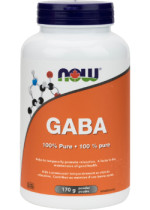
100% PURE GABA POWDER FROM NOW FOODS NATURAL MOOD SUPPORT FORMULA. Gaba (gamma aminobutyric acid) is a non-essential amino acid that plays an important role in neurotransmission. Now offers 500mg of this important neurotransmitter + 2mg of vitamin B-6 (for its synergistic effect) in each serving (1/4 tsp). Gaba works to inhibit over-stimulation of nerve cell activity in the brain which may hel...
+ Earn 18 Reward PointsOur Price: $18.99In Stock
Learn How GABA Lowers Feelings of Stress
Gamma-aminobutyric acid, more commonly known as GABA, was discovered in 1950 by biochemists Eugene Roberts and J. Awapara. Initially regarded as just another neurotransmitter, GABA has since emerged as a key player in maintaining mental calm and promoting restful sleep. Indeed, this humble molecule plays a profound role in managing stress and achieving restorative sleep, making it a subject of growing interest in scientific and wellness communities.
GABA: The Brain's Natural Calming Agent
GABA is the brain's primary inhibitory neurotransmitter, reducing neuronal excitability throughout the nervous system. In simpler terms, GABA helps prevent your brain from becoming overstimulated, which is particularly important when managing stress. Under normal conditions, GABA is released to counteract the excitatory neurotransmitters responsible for stimulating the brain. By balancing these opposing forces, GABA helps maintain a sense of calm and well-being.
When GABA levels are sufficient, the brain can more effectively regulate feelings of anxiety and stress. However, when GABA levels are low, the result can be heightened anxiety, stress, and difficulty sleeping. GABA’s role in mitigating these issues has made it a focal point in the study of anxiety disorders and sleep disturbances.
How GABA Can Improve Sleep Quality
The relationship between GABA and sleep is well-established. GABA's calming effects extend to its ability to promote better sleep. By reducing neuronal excitability, GABA helps quiet the mind, making it easier to fall and stay asleep. This neurotransmitter is essential for ensuring that the brain transitions smoothly from wakefulness to sleep and maintains sleep throughout the night.
Research indicates that GABA not only helps people fall asleep faster but also improves the quality of sleep. Individuals with insomnia or other sleep disorders often exhibit reduced levels of GABA, which tells us that enhancing GABA activity is beneficial for improving sleep.
Supplementing With GABA: Finding Quality Products
While GABA is naturally produced in the brain, supplementation has become a popular method for those looking for help managing stress and anxiety or struggling with sleep issues. GABA supplements are available in several forms, including capsules, powders, chewable tablets, liquids, and teas.
You can find GABA supplements in health stores, pharmacies, and online. Many of these combine GABA with other nutrients known for their anxiety-reducing properties. Though supplements may come in many potencies, the right dose for an individual will vary based on age, sex and weight. Generally speaking, for stress support a daily dose is typically around 750–800mg daily, in divided doses.
Those interested in trying GABA should start with a low dose, especially if used for the first time. Many people find taking GABA 30 to 60 minutes before bedtime helps them wind down and prepare for sleep.
Supporting GABA Production Naturally
Beyond supplementation, there are natural ways you can support your body's production of GABA. Diet and lifestyle choices can play a significant role in maintaining optimal GABA levels. Foods rich in glutamate, an amino acid that serves as a precursor to GABA, can help boost production. Fermented foods like kimchi and miso, as well as green tea, which contains theanine (an amino acid known to enhance GABA activity), are excellent dietary sources.
Regular physical activity, particularly yoga, has also been shown to increase GABA levels in the brain. This increase may contribute to the feelings of relaxation and reduced stress often experienced after a workout.
Final Considerations on Taking GABA
In today's fast-paced world, managing stress and ensuring quality sleep are more important than ever. GABA offers a natural solution, helping to restore balance and calm to both mind and body. By understanding its critical role in stress regulation and sleep enhancement and by thoughtfully incorporating GABA supplementation into their daily regimen, individuals can leverage this neurotransmitter to improve their overall well-being.
Back to Top ↑








