

Supreme Protein Bar (Peanut Butter Crunch) 86g - 12 Bars - Supreme Protein

We're sorry, we no longer carry this item.
Check These out
Suggested, Similar, & Related Products:
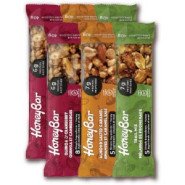
Sale: $4.99
Reg.: $6.99 (Save $2.00)
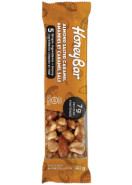
Sale: $1.19
Reg.: $1.69 (Save $0.50)
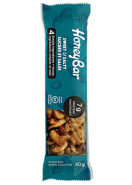
Sale: $1.19
Reg.: $1.69 (Save $0.50)
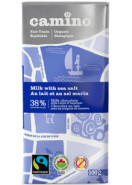
Sale: $4.99
Reg.: $5.99 (Save $1.00)
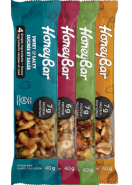
Sale: $6.99
Reg.: $9.99 (Save $3.00)

Sale: $44.99
Reg.: $49.99 (Save $5.00)
(Click Add to Select Bonus)
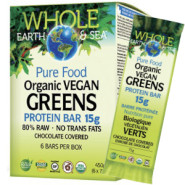
Sale: $18.97
Reg.: $19.99 (Save $1.02)
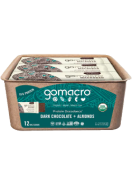
Sale: $44.99
Reg.: $49.99 (Save $5.00)

Sale: $44.99
Reg.: $49.99 (Save $5.00)
(Click Add to Select Bonus)
Or, Shop our Latest Deals:
Shop Now >- Nutrition Facts:*Based on 2000 calorie diet.
- 30g
- Protein
- 26g
- Total Carbohydrate
- 2g
- Dietary Fiber
- 10g
- Sugars
- 14g
- Sugar Alcohols
- 18g
- Total Fat
- 9g
- Saturated Fat
- 0g
- Trans Fat
- 390
- Calories
- 170
- Calories from fat
- 10mg
- Cholesterol
- 270mg
- Sodium
- 65mg
- Potassium
- 30%
- Vitamin A
- 20%
- Vitamin C
- 10%
- Calsium
- 10%
- Iron
- 40%
- Vitamin E
- 8%
- Riboflavin
- 10%
- Niacin
- 25%
- Vitamin B6
- 25%
- Folate
- 20%
- Vitamin B12
- 8%
- Botin
- 8%
- Pantothenic Acid
- 15%
- Phosphorus
- 4%
- Magnesium
- 8%
- Zinc
- 2%
- Selenium
- 15%
- Copper
- 10%
- Manganese
Supreme Protein Blend 30G: (Whey Protein Isolate, Whey Protein Concentrate, Milk Protein Isolate), Chocolate Coating (Whey Protein Concentrate, Palm Kernel Oil, Maltitol, Cocoa Powder, Sugar, Soy Lecithin [An Emulsifier], Vanillin), Peanuts, Peanut Butter (Peanuts, Salt), Powdered Sugar, Maltodextrin, Water, Protein Crisps (Isolated Soy Protein, Tapioca Starch, Salt), Hydrolyzed Collagen, Soy Lecithin (An Emulsifier), Vitamin Mix (Dicalcium Phosphate, Magnesium Phosphate, Dl-Alpha-Tocopherol Acetate, Ascorbic Acid, Copper Gluconate, Niacinamide, Vitamin A Palmitate, Ferric Orthophosphate, Biotin, Zinc Oxide, Pyridoxine Hydrochloride, Cyanocobalamin, Folic Acid, Manganese Sulfate, Calcium D-Pantothenate, Riboflavin, Sodium Selenite, Thiamine Mononitrate), Flax Seed Oil, Salt, Potassium Sorbate (A Preservative).
Allergen Information: Contains Peanuts, Soy And Milk. Produced On Equipment That Also Processes Tree Nuts (Almonds), Wheat And Eggs.
 Bar
Bar
12 Bars
Enjoy 1 bar per day!
- Promote muscle growth
- Support muscle recovery
- Increase protein requirement
- Regulate glucose responses
- Great tasting!

- Reviews
- POST A NEW REVIEW
Science: About Whey Protein Isolate
The scientific debate over which form of protein possesses the greatest anabolic power came to an end a few years ago, with one form emerging the clear winner. Compared to whey concentrates, caseins, milk or soy proteins, whey protein isolate (WPI) contains the highest amounts of the valuable microfractions in whey that support increases in lean muscle mass. It has higher concentrations of the essential branched chain amino acids L-isoleucine, L-leucine, and l-valine, and is a rich source of the powerful microfractions alpha-lactalbumin and glycomacropeptides, which are key factors in enhancing bioavailability, boosting immune response and greatly increasing anabolic activity. Whey isolate also has demonstrated a nutrient partitioning effect, driving nutrients away from fat storage and toward accumulation of lean muscle tissue. Finally, high quality whey protein isolate contains no fat, lactose or impurities.
Clearly, premium-grade whey protein isolate is your best muscle-building protein value. And no other bar on the market today contains more whey isolate than the amazing Supreme Protein - a masterpiece of nutrition and flavor in every bite!
Protein Research
A wealth of new information is now available supporting the widespread health benefits of diets containing adequate amounts of high quality protein and restricted amounts of sugar and processed carbohydrate. Whether you are looking to improve your health, increase energy levels, lose body fat, or build muscle. Here is just a sampling of why Supreme Protein feels so passionate about the power of protein and why they developed Supreme Protein Bars to help people achieve peak wellness.
Bodybuilders know that adequate protein is necessary to build muscle mass. But higher protein intakes have also been linked to helping preserve muscle mass during weight loss and helping prevent muscle loss as we age (sarcopenia). Since protein can be more satiating and thermogenic than carbohydrate and fat, spacing the right amount of protein throughout the day helps you feel full while promoting a greater caloric burn. This explains why higher protein diets have consistently resulted in greater weight loss and fat loss than conventional diets. Quality of protein and the timing of ingestion are additional factors that cannot be ignored.
Have you ever skipped a meal or not eaten anything after a workout? Then most of your efforts could have been wasted because if protein is not consumed after exercise the body can remain in an overall catabolic state. Timing of protein ingestion around workouts is absolutely critical to get the most from your hard work in the gym. Incredible advances have also been made in our knowledge of protein quality especially whey protein. Cutting edge research has highlighted several novel features that make whey a highly desirable source of protein for athletes, dieters, and people wanting to improve overall health.
A notable feature of whey is its prevalence of essential amino acids, particularly leucine, which signals protein synthesis. Whey protein is digested and absorbed quicker than other protein sources, making it a preferred pre- and post-workout protein source. Whey may result in improved body composition including the potential to increase lean body mass and decrease fat mass. Whey protein has antioxidant effects because it is a unique rich source of cysteine necessary for synthesis of the potent antioxidant glutathione. Several peptides from whey protein have been shown to lower blood pressure and enhance immune function.
- Supreme Protein
Whey And Blood Glucose Responses
Rapid fluctuations in blood sugar wreak havoc on your metabolism. Recent evidence indicates that whey protein plays a role in how the body processes carbohydrate. Canadian researchers examined the effects of adding different levels of whey protein to a standard carbohydrate intake containing 50 grams of sugar. Test subjects ingested the sugar solution alone (control) and then with 5, 10 and 20 grams of whey protein. The protein consisted of a blend of intact whey and peptides from whey rich in branched-chain amino acids. Glucose levels were measured several times for 2 hours after the drinks were consumed. Compared to sugar only drink, there was a dose-response reduction in the glucose responses with increasing dose of whey protein. The 5, 10, and 20 gram whey trials reduced the blood glucose response by 8, 13, and 38%, respectively. The results provide evidence that whey protein has positive effects on carbohydrate metabolism. The implications are that addition of whey protein to foods with carbohydrate may be an effective method to smooth out glycemic responses and avoid the adverse health effects of high glycemic meals.
Higher Protein Assists Preservation Of Muscle During Weight Loss In Athletes
For many athletes, maintaining a specific body weight is a demand of their sport. Other athletes are judged on physical appearance. Thus for many reasons athletes cut calories in an attempt to lose body weight. However, when calories are reduced there is a high probability that muscle will be lost as well. Consuming adequate protein is important for athletes when they are maintaining or gaining weight, but recent research indicated protein is even more important when calories are being slashed to lose weight. Researchers from the United Kingdom examined how the protein content of a calorically reduced diet affected changes in lean body mass. The subjects were resistance trained athletes with normal body weight. After a controlled feeding period, these athletes were recommended a diet that consisted of 60% of their caloric needed for 2 weeks. One diet contained a typical amount of protein and served as the control group, whereas the other consumed a high protein diet. Protein was 15% of total energy (1 gram protein per kilogram body weight) in the Control diet and 35% energy (2.3 g protein per kilogram body weight) in the High Protein group. Both groups lost the same fat mass. However the Control group lost significantly more lean mass. After just 2 weeks lean mass was down well over 3 pounds, but lean mass was nearly preserved on the High Protein diet. These findings highlight the importance of consuming adequate protein during low calories diets to help preserve lean mass in young healthy athletes.
Whey Provides Post-Exercise Burn
Consuming protein pre- and post-exercise is critical for promoting a positive environment to build muscle. In addition to the well documented effects of whey protein on increasing muscle protein synthesis, findings from a recent study suggest further benefits. In this study, subjects with resistance training experience participated in 2 trials that involved performing a workout consisting of several resistance exercises. On one occasions they consumed a carbohydrate supplement 20 min before exercise and during the other trial they consumed an equivalent amount of whey protein (18 grams). Energy expenditure was measured post-exercise. Regardless of supplementation, the resistance exercise session increased energy expenditure measured at 24 and 48 hr after exercise and fat oxidation 24 hr. The increase in resting energy expenditure was significantly greater 1 and 2 days after exercise when whey protein was consumed pre-exercise. These results show that just a single bout of resistance exercise effectively raises resting metabolism and promotes greater fat oxidation for days. The effects are augmented when whey protein is consumed before exercise. These findings have implications for enhancing body composition and suggest that performing resistance exercise with pre-exercise whey protein supplementation would be an effective strategy to help promote fat loss while building lean body mass.
Importance Of Protein For Ultra-Endurance Athletes
Ascendancy of Carbohydrates
Reducing Muscle Soreness Recognition and the importance of carbohydrates for athletes dates back to 1925 when top athletes running the Boston marathon used carbohydrate feeding to revent the decline in blood glucose and improve performance. However the notion that carbohydrate feeding was important for athletes was not fully appreciated until the late 1960s shortly after the advent of the biopsy needle which allowed histological and biochemical studies of human muscle before, during and after exercise. This early research led to the understanding of the importance of muscle glycogen, the storage form of carbohydrate in muscles, as a fuel for active muscle during prolonged exercise and made the connection between glycogen depletion and fatigue(1, 2). Researchers discovered that manipulating an athlete's training combined with a high carbohydrate diet several days prior to exercise (carbohydrate loading) significantly increased muscle glycogen levels and delayed fatigue(3). Subsequent work throughout the 1970s and continuing through to the present day have confirmed that carbohydrate feeding during exercise improves prolonged endurance performance by preventing low blood sugar (hypoglycemia), sparing glycogen, and maintaining high rates of carbohydrate oxidation. However up until recently there was little interest in the effect of protein for the endurance athlete.
The Power of Protein
Protein is derived from the Greek word for primary. Strength and power athletes know all too well the primary role protein plays in building muscle mass, but endurance athletes don't need the extra bulk. Does that mean protein should be given less priority? Most definitely not! Here are 5 reasons that endurance athletes, especially those involved in ultra-endurance events lasting several hours, should seriously consider protein key to their success.
1. Enhance performance
At the end of the day what really matters to competitive athletes is performance. Several recent studies have indeed shown that adding protein to carbohydrates can help you reach the finish line faster.
I'm not talking about an isolated anomaly either; at least half a dozen studies point to a performance benefit. In one study highly trained cyclists completed a bout of exercise to deplete muscle glycogen levels. Immediately after the exercise and 2 hours into recovery they were provided one of three beverages: a commercial carbohydrate-based fluid replacement drink (31 g carbs), a commercial high carbohydrate drink (73 g carbs), and a beverage matched for energy that contained both carbohydrate (63 g carbs) and protein (14 g protein). After 4 hours into recovery, the cyclists improved their performance in a ride to exhaustion test when they consumed carbohydrate with protein by 51% compared to carbohydrate alone. In another recent study, trained cyclists rode to exhaustion on 4 separate occasions. During each trial they consumed either: a carbohydrate beverage with added protein (carb-prot), a matched carbohydrate beverage (carb), a matched carbohydrate beverage with additional carbs to match the calories provided by protein (carb-carb), and a placebo (water). They cycled the longest with the carb-prot beverage (126 min); with the next best performance in the carb-carb trial (121 min) followed by the carb (118 min) and water (107 min) trials. Interestingly, the carb-prot trial also had lower levels of muscle damage markers. Consistent with less muscle damage, the carb-prot trial had increased muscle strength 24 hours after exercise compared to the other trials indicating better recovery. At least four other studies have shown that protein added to carbohydrate enhances endurance performance.
2. Help Boost synthesis of skeletal muscle proteins
Second to performance, the next most important reason to consume protein is for its critical role in recovery promoting an anabolic signal to increase synthesis of the many different proteins that make up muscle. Prolonged endurance exercise causes significant protein breakdown to provide fuel for exercise, which may be offset by adding protein. Protein may aid recovery from exercise by providing amino acid building blocks for protein synthesis that would otherwise need to be broken down from existing muscle. In this way, protein augments repair and remodeling of tissue, speeds recovery and ultimately helps maintain muscle mass and optimal functioning of muscle. Here's how it all works. When you ingest protein, your body breaks the amino acid bonds during digestion so they can be absorbed into the bloodstream. Amino acids are then transported to different parts of the body to provide the building blocks to construct and repair your muscles, tissues, bones, cartilage, nervous system, and organs. Keep in mind the proteins in your body are in constant flux, being both torn down and built up, and this whole process is radically accelerated during ultra-endurance exercise. The key to keeping protein breakdown and synthesis in balance with such demanding physical exertion is to bump up protein synthesis greater than or equal to protein breakdown by consuming protein. Performing a single bout of resistance or endurance exercise increases protein synthesis and breakdown, but the end result is still a negative protein balance. That single fact is a major reason to ingest protein, which clearly pushes the balance in a highly positive direction whether it is resistance or endurance exercise. If protein ingestion creates a positive protein balance even for endurance athletes, then why don't they develop large muscles like bodybuilders? Studies have shown that in trained athletes resistance exercise stimulates synthesis of contractile proteins which contribute to expansion of muscle size, whereas endurance exercise stimulates synthesis of other protein such as mitochondria that function in aerobic (oxidative) metabolism and contribute less to total muscle size. What does this mean for endurance athletes? Simply put, the amino acids provided by protein serve as the building blocks for building muscle proteins that contribute to enhanced performance. If you do not provide the amino acids in your diet, the body breaks down its own muscle proteins to provide the amino acids to increase protein synthesis whether its proteins associated with contraction or mitochondrial function.
3. Minimize muscle damage
Prolonged exercise is associated with a profound metabolic and mechanical stress, especially the continuous pounding that occurs with each running stride. The physical tearing of membranes and the normal organized structure of muscle proteins within the cell, in combination with the biochemical stress associated with accelerated rates of metabolism, results in significant disruption to normal functioning of muscle. These processes contribute to delayed muscle soreness and eventually decreased functional capacity of muscle for several hours and days after exercise. Many studies indicate that protein helps dampen the overall stress response. In one study protein added to carbohydrate reduced muscle damage by an average of 27 % and muscle soreness by 30 % in runners. In another study, researchers found that compared to a carbohydrate only supplement that adding protein reduced markers of muscle damage and improved muscle performance the day following exercise in cyclists.
4. Assist glycogen synthesis
Refilling the glycogen tank after exercise can help recovery and prepare for the next day's challenges. Research studies show a beneficial effect of ingesting protein and/or amino acids in combination with carbohydrate on glycogen synthesis after cycling exercise compared to the same amount of carbohydrate. In comparison to a carbohydrate only beverage, when athletes consumed a carbohydrate-protein drink immediately after and 2 hr post exercise, they had a 128% greater storage of muscle glycogen and 55% greater performance during a subsequent exercise test. The effects on glycogen synthesis appear to be related to a more rapid replenishment during the window of time right after exercise.
5. Augment fuel utilization and prevent fatigue
Although protein is generally considered to be an inefficient fuel source and contribute minimally to the overall energy demands of exercise, during ultra-endurance events protein oxidation can become significant. Protein ingestion during a marathon was shown to increase protein oxidation during exercise, and thereby potentially spare blood glucose and muscle glycogen, and contribute to an overall anti-catabolic effect by preventing muscle protein breakdown. There are 3 amino acids called branched chain amino acids (BCAAs) that are used as fuel for muscles. The BCAAs (leucine, isoleucine, valine) are essential and make up about one-third of muscle proteins. They are oxidized in proportion to energy expenditure so the demand for them increases several-fold with prolonged ultra-endurance events. There levels in blood and muscle drop significantly during exercise, and therefore of all the amino acids in protein these are the most important to consume. One other benefit of providing a rich source of BCAAs is preventing central fatigue. A decline in BCAA results in an increase in the plasma free tryptophan (f-TRP) to BCAA which facilitates increased uptake of tryptophan in the brain that get converted to serotonin. Increase in the concentration of serotonin can impair central nervous system function during prolonged exercise, a phenomena called central fatigue. Consuming BCAAs during exercise can influence the ratio of f-TRP to BCAA to decrease serotonin levels and thereby delay central fatigue.
Go for Whey
Nearly all the studies showing positive effects of protein for endurance athletes have used whey in some form. Whey has several unique qualities that make it an attractive protein source for athletes.
Complex protein source with a high prevalence of essential amino acids, particularly the BCAAs like leucine, which help to rapidly stimulate protein synthesis.
10% leucine which directly activates a critical compound in muscle cells called the mammalian target of rapamycin (mTOR) that turns on protein synthesis.
Digested and absorbed quickly resulting in a more rapid increase in plasma amino acids, which results in a larger and more rapid increase in protein synthesis.
Chronic ingestion of whey results may improve body composition including helping to increase lean body mass and decrease fat mass.
Whey protein has antioxidant effects due because it is a unique rich source of cysteine and thiol groups (3-4 times higher than soy) that are rate-limiting for synthesis of glutathione (GSH), one of the most important nonenzymatic antioxidant defense systems.
Whey may have positive effects on immune function possibly attributed to a variety of whey fractions such as lactoferrin, glutamine, immunoglobulins, and other peptides (eg, lysozome, -lactoglobulin, and -lactalbumin).
Back to Top ↑








