

Cal - Mag Chelated 2:1 Chelated With Zinc Vitamins D And C - 90 Tabs - Swiss

We're sorry, we no longer carry this item.
Check These out
Suggested, Similar, & Related Products:
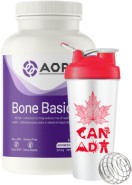
Sale: $58.08
Reg.: $72.60 (Save $14.52)
(Click Add to Select Bonus)
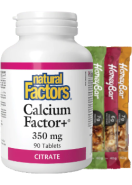
Sale: $12.99
Reg.: $16.99 (Save $4.00)
(Click Add to Select Bonus)
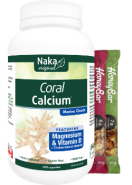
Sale: $27.99
Reg.: $54.99 (Save $27.00)
(Click Add to Select Bonus)
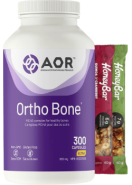
Sale: $56.45
Reg.: $70.57 (Save $14.12)
(Click Add to Select Bonus)
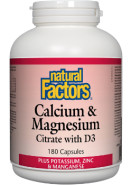
Sale: $14.99
Reg.: $19.99 (Save $5.00)
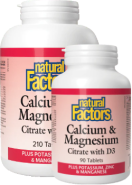
Sale: $24.99
Reg.: $34.99 (Save $10.00)
(Click Add to Select Bonus)
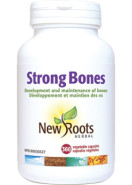
Sale: $95.59
Reg.: $108.45 (Save $12.86)

Sale: $46.00
Reg.: $57.50 (Save $11.50)
(Click Add to Select Bonus)

Sale: $23.99
Reg.: $32.99 (Save $9.00)
(Click Add to Select Bonus)
Or, Shop our Latest Deals:
Shop Now >- 175mg
- Elemental Magnesium (HVP* Chelate, Oxide)
- 350mg
- Elemental Calcium (Carbonate [from Oyster Shell], HVP* Chelate)
- 10mg
- Elemental Zinc (Citrate)
- 30mg
- L-Glutamic Acid (molasses)
- 25mg
- Vitamin C (Ascorbic Acid)
- 20mg
- Bromelain (Pineapple fruit and stems) (Ananas comosus)
- 5mcg
- Vitamin D3 (Cholecalciferol)
- 10mg
- Rosehips Powder (Fruit) (Fructor rosae canina)
colloidal silicon dioxide, croscarmellose sodium, hypromellose, magnesium stearate, microcrystalline cellulose
No artificial flavours, colours, preservatives, dairy, gluten or wheat
 Capsules
90 Tabs
Adults: Take 1 caplet daily with food or as directed by healthcare practitioner. Take a few hours before or after taking other medications.
- Strengthen bones & teeth
- Builds immune system
- Lowers blood sugar & keeps heart healthy
- Magnesium & zinc increase calcium uptake into bones
- Keeps heart healthy

- Reviews
- POST A NEW REVIEW
An adult human has 206 bones, which are constantly being renewed and remodelled. Bones perform several important roles in the body. Bones form a framework that supports the body and protects soft organs. They are an essential part of movement because muscles attach here and the arrangement of bones determines the type of movement that can be done.Bones are important storehouses of minerals, including the major buffer, calcium. They also contain an inner core of marrow that produces blood and immune cells.
Most people do not think about bone health until they are in their later years. This is a mistake because significant increases in bone density can only be made in childhood or early adulthood (up to age 30). For the remainder of our lives the goal is to maintain our bones.
Calcium
Calcium is an important mineral for the optimal functioning of many body systems. Calcium is a major mineral found in the bones and teeth. Deficiency of calcium causes bone and joint diseases such as osteomalacia, osteoporosis and osteo-arthritis. It also leads to poor growth and poor bone density in children.Calcium also protects the body from heavy metal toxicity because if calcium is deficient lead is absorbed by the body and deposited in the teeth and bones. Supplying optimum levels of active and absorbable calcium is crucial for maintaining bone mass.
Synergistic Nutrients
Synergistic nutrients can make a substantial difference in the uptake of calcium by the bones. For a variety of different reasons calcium can be difficult to absorb - one of them being that as a mineral, calcium has a negative charge that can repel it from the cells of the body. It's very important, then, for people concerned about bone health that nutrients be taken along with calcium. Some of them include: magnesium (in a 2:1 ratio), zinc, silica, manganese, copper, boron, and potassium. While there are others, these are the ones that can make the biggest difference for bioavailability. Some of these, like magnesium and zinc, can increase absorption in the gut, while others, like the boron and silica increase the actual uptake of calcium by the bones and its subsequent integration as new bone mass.
Help Maintain Healthy Bones by:
- Taking a high quality Calcium Supplement.
- Eating plenty of vegetables (for their high mineral content).
- Avoiding coffee and other caffeinated beverages (they leach calcium from the bones).
- Exercising regularly to maintain bone mass.
- Tracking your pH and maintaining an alkaline state.
- Balance hormones with essential fatty acids and herbs.
Who needs magnesium?
In short, most people...Recently, there has been some debate in regards to the efficacy of magnesium status testing using blood. It is argued that blood testing may not show deficiencies until they are dangerously low because only around 1% of the body's magnesium is found in the blood. It is possible that 50% or more of the population have low magnesium stores despite normal serum levels (a condition called "subclinically deficient"). These deficiencies may have to do with low dietary intake of magnesium, due to poor dietary habits, or loss through the refining and processing of foods. Chronic vomiting or diarrhea, excessive urination and sweating can also deplete magnesium. Foods rich in magnesium include dark leafy vegetables, bananas, avocado, peas, legumes, soy and whole grains.
Deficiency
Without magnesium, the transmission of nerve and muscle impulses is compromised. This can lead to nervous system disorders, muscle weakness or contraction, as well as cramps and spasms. For example, magnesium has been shown to decrease menstrual pain by relaxing the uterine muscles. Magnesium deficiency has also been strongly associated with depression, migraines, ADD, PMS, fibromyalgia, asthma, allergies and type II diabetes. Magnesium loss can be caused by some medications such as diuretics, antibiotics and some anti-cancer drugs. Foods high in fat and oxalic acid interfere with the absorption of magnesium. Oxalic acid containing foods include almonds, chard, cocoa, rhubarb, spinach and black tea. Body requirements for magnesium increase with increased intake of zinc and vitamin D.
Back to Top ↑








