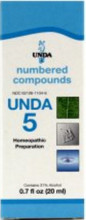
- 4X
- Tormentilla (Bloodwort) Rhizome
- 4X
- Tussilago farfara (Coltsfoot) Whole Plant
- 4X
- Adiantum capillus-veneris (Maidenhair) Leaf
- 4X
- Glycyrrhiza glabra (Licorice) Root
- 4X
- Drosera (Sundew) Whole Plant
- 4X
- Grindelia Aerial Parts
- 4X
- Inula helenium (Elecampane) Root
- 12X
- Cuprum metallicum (Copper)
- 12X
- Argentum metallicum (Silver)
Ethanol (beet), purified water
If symptoms persist or worsen, consult your healthcare practitioner. If you are pregnant or breastfeeding, consult your healthcare practitioner prior to use.
 Liquid
20ml
Adults and Children (13 years and older): Take 10 to 30 drops one to three times daily, or as recommended by your healthcare practitioner.
Acute Dosing: Follow the above age recommended drop amounts and take every 15 to 60 minutes (up to 12 times per day) or until symptoms improve, then resume general dosing.
- Relieve symptoms associated with respiratory infections
- Defends against infection and inflammation
- Can serve as a natural cough suppressant
- Homeopathic remedy

Homeopathic Liquid Compounds for Whole Body Health
Unda formulates homeopathic supplements including Unda #245 for hormone support, Unda #30 for insomnia support, Unda #8 to support circulation and Unda #6 for digestive support. Unda uses quality herbal blends to help support overall health and provide a diverse range of homeopathic supplements. Read more >- Reviews
- POST A NEW REVIEW
Reviews By Rating
helpful votes
0
0 customers found this product review helpful
LICORICE
Natural licorice can help you deal with stress, stomach ulcers, coughs and colds...
Glycyrrhiza glabra is a plant commonly known as licorice (or liquorice), whose root has been used for flavouring and as medicine for centuries. It has a delicious flavour and is often used to sweeten other herbal formulas, although it should not be confused with the common "black licorice" flavour that is actually produced using anise seeds.
The extracts of licorice are adaptogens, demulcents and may have antiviral properties. They have also been found to contain anti-inflammatory properties and weak estrogen hormone balancing activity.
Natural health practitioners recommend licorice for a variety of needs including increased energy, stress, colds and coughs. A processed form of licorice called DGL is recommended for stomach and intestinal ulcers, as well as for people with high blood pressure and heart or kidney disease because it does not contain the chemical responsible for most of the side-effects of licorice use.
Licorice as an Adaptogen
Adaptogens are medicines that help us cope during stressful times and aid in recovery from illness and fatigue. Studies show that licorice contains chemicals that have a structure that is similar to steroid hormones. The end result is stimulation of the adrenal gland and activation of the body's energy reserves. This response keeps us alert and increases: heart rate, blood pressure and blood flow to the brain, muscles, lungs and heart. Licorice also contains substances that regulate blood sugar, which further enhances energy levels. Thus licorice leads to increased energy, better mental and physical performance. Ongoing stimulation can eventually deplete the body and have other detrimental effects, so licorice must be used in moderation.
Licorice as a Demulcent
Demulcents are substances that soothe, coat and protect irritated mucous membranes. In the respiratory tract licorice decreases cough, speeds removal of mucus and helps to heal the airways. In the stomach and intestines, DGL licorice protects the lining from ulceration. Because of the longer term of use generally required, DGL is usually the form of licorice used for gastrointestinal concerns.
How can I take licorice?
Licorice can be found in a variety of different forms. Teas, capsules, tablets, powders and liquid extracts are available. Standardized products give the consumer assurance that some active compounds are present in the formulation. Generally licorice supplements should be standardized to at least 20% glycyrrhizinic acid. It can be found in formulas for energy, stress reduction, and cough and cold relief. Many traditional Chinese formulas contain licorice as well, but use caution when purchasing these formulas because their quality varies widely, toxic contaminants may be present and manufacturing practices in China are not well regulated.
Important information
Licorice contains components that have blood thinning, blood pressure altering and blood sugar altering properties. Do not use licorice for more than one week at a time without consulting your healthcare practitioner. Also, licorice supplements should be used with caution by individuals with: active bleeding, blood clotting disorders, high blood pressure, diabetes, individuals with liver or kidney disease, hypertension, heartbeat irregularities, heart failure, edema, or estrogen sensitive tumours. It should not be used while pregnant or breast-feeding. Licorice can alter the effects of anti-hypertensives, laxatives, corticosteroids, blood thinners, NSAIDs, diuretics, digoxin, potassium, hormone replacement therapy, oral contraceptives or hypoglycemic agents. Some practitioners recommend co-supplementation with potassium while using licorice because licorice's diuretic properties deplete potassium.
Licorice QUICK FACTS
SOURCES
Roots.
APPLICATIONS
Low energy, stress, cough, cold.
OPTIMUM DOSAGE
Licorice 750-1500mg daily, standardized to 20% glycyrrhizinic acid (Clinical doses may be higher as recommended by your practitioner).
WORKS WELL WITH
Bee pollen, Propolis, adrenal glandular, vitamin B complex, glutamine, marshmallow, potassium.IMPORTANT INFORMATION
Licorice should not be used by pregnant women or nursing mothers, individuals with liver or kidney disease, hypertension, heartbeat irregularities, heart failure, edema, diabetes or estrogen sensitive tumours.
Licorice should not be used with anti-hypertensives, laxatives, corticosteroids, blood thinners, NSAIDs, diuretics, digoxin, potassium, hormone replacement therapy, oral contraceptives or hypoglycemic agents.
DGL licorice does not have the same contraindications as licorice. It must not be taken with nitrofurantoin.
Back to Top ↑
-
Sale: $12.99
Reg.: $17.99 (Save $5.00)
-
 Our Price: $26.50