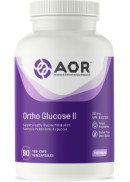
Each capsule contains:
- 166mcg
- Chromium (from chromium picolinate)
- 33mg
- Cinnamon Cassia (Cinnamon) extract (10:1)
- 66.5mg
- Gymnema sylvestre (Gurmar) Extract (20:1)
- 85mg
- Momordica charantia (Bitter Melon) Extract (10:1)
- 100mg
- *R(+) alpha -Lipoic Acid (sodium salt)
*Contains 10 mg sodium per capsule
Non-medicinal Ingredients:
microcrystalline cellulose, maltodextrin, sodium benzoate, sodium stearyl fumarate. Capsule: hypromellose
Non-medicinal Ingredients:
microcrystalline cellulose, maltodextrin, sodium benzoate, sodium stearyl fumarate. Capsule: hypromellose
Important Information:
Contains no wheat, gluten, nuts, peanuts, sesame seeds, sulphites, mustard, soy, dairy, eggs, fish, shellfish or any animal byproduct. This product is not suitable for children. This product contains corn derived ingredients, do not use if you have an allergy. See Below For Further Cautions
Format
 Veggie Caps
90 V-caps
Dosage
Take one capsule daily half an hour before a meal, or as directed by a qualified health care practitioner.
Product Information:
- Increases insulin sensitivity
- Supports normal blood sugar balance
- Helps lower the postprandial glucose response
- Improves glucose metabolism by reducing insulin resistance
- Clinically proven

Innovative Formulas by AOR Canada found at National Nutrition
AOR Canada is the innovative formulators of Canada’s best-selling antioxidant support, AOR Advanced B Complex and AOR Tri-B12. They are also known for their top bone health supplements, Ortho Adapt and Bone Basics. You can also SHOP AOR's Nattokinase, and trusted Curcumin Ultra, Curcumin Active and Curcumin95 inflammation support at National Nutrition.ca. AOR are leaders in natural health with innovative product development. Read more >What People Are Saying:
- Reviews
- POST A NEW REVIEW
Reviews for:
Ortho-Glucose II - 90 V-Caps
(3 reviews)
Reviews By Rating
helpful votes
1
1 customers found this product review helpful
More Info
Cautions:
Do not use if you are pregnant or breastfeeding, hypersensitive or allergic to cinnamon or Peruvian balsam, if you have acid reflux, stomach or intestinal ulcers, liver disease, alcoholism, or are taking acetaminophen. Discontinue use and consult a health care practitioner if you experience symptoms of hypoglycemia including feelings of anxiety, dizziness and/or confusion, tremor, sweating, paleness, chills, nausea or headache or in the case of an allergic reaction. May cause irritation of the gastric mucous membranes and reflux. Consult a health care practitioner prior to use if you have a kidney disorder, diabetes, or for use beyond six months. This product is not suitable for children. This product contains corn derived ingredients, do not use if you have an allergy.
Ortho GlucoseII Support & Information
Diabetes is a syndrome characterized by abnormally elevated sugar levels in the blood. There are two types of diabetes mellitus: type 1 or insulin-dependent diabetes and type 2, which is non-insulin-dependent. Insulin is central to diabetes simply because it is the hormone that regulates the metabolism of glucose. Insulin regulates the entry of glucose in our cells, thereby regulating blood sugar levels. The cells of the pancreas produce insulin. Insulin is released when blood glucose levels rise, as is the case after a meal. Glucose is the main source of energy for our cells and without the action of insulin, there is improper glucose utilization and storage, which leads to several metabolic derangements including elevated blood sugar levels.
The incidence of diabetes is rapidly increasing and in 2005, 7% of the United States population had diabetes. The prevalence of the disease increases with age.
In type 1 diabetes, the immune system is attacking the pancreas's insulin-producing cells. This leads to the inability to produce adequate levels of insulin and without the presence of insulin, blood sugar levels rise uncontrollably. Type 1 diabetes sufferers require additional insulin to regulate their blood glucose levels. Type 1 diabetes is typically diagnosed in childhood or early adulthood. Unfortunately, the cause remains unclear.
Type 2 diabetes usually develops in late adulthood and although insulin production may be compromised later in the course of type 2 diabetes, the condition is primarily the result of increased insulin resistance. Insulin resistance refers to the inability of our cells to respond to insulin even when normal levels of insulin are present. Once cells become insulin resistant, glucose cannot enter cells and blood glucose levels rise. Type 2 diabetes is far more common, comprising 90% of diabetic patients.
Insulin resistance has another serious consequence; not only does it lead to elevated blood sugar levels but it also predisposes to heart disease. Diabetics are twice as likely to suffer from cardiovascular disease and are five times more likely to experience a heart attack. Insulin resistance gives rise to risk factors for heart disease such as lower HDL cholesterol levels (the beneficial cholesterol fraction), abdominal obesity, higher triglyceride levels and elevated low-density cholesterol (the unfavourable cholesterol fraction). Obesity is closely related to insulin resistance and is one of the main risk factors for the development of type 2 diabetes. There is also a strong genetic influence on the development of type 2 diabetes with identical twins (which share the same genes) having a 90% concordance in the occurrence of the disease.
Other frequent complications of diabetes include retinal damage, blindness (diabetes causes 8% of blindness cases in the US), hypertension (73% of diabetics have elevated blood pressure), neuropathy (affecting 60-70% of diabetics), arteriosclerosis, dental disease, increased susceptibility to infections, stroke, kidney failure (main cause of dialysis in developed countries) and ulcer formation, which can lead to gangrene and amputation (one amputation every 30 seconds worldwide). In type 2 diabetes, especially earlier in the disease process, exercise, dietary changes and weight loss may restore insulin sensitivity and normalize blood sugar levels. Patients that control their blood sugar levels minimize the damage to their organs (mainly kidneys, blood vessels and eyes) and their incidence of complications is significantly reduced and nearly normal.
Several well-researched nutrients have demonstrated that they can encourage healthy glucose metabolism. OrthoGlucoseTM is a nutritional formula that contains nutrients capable of supporting the action of insulin and that encourage healthy glucose metabolism:
Cinnamon
Cinnamon is a popular spice that has been known since antiquity. It is no coincidence that cinnamon is often used for the preparation of desserts. Indeed, laboratory work has demonstrated that cinnamon enhances cellular glucose uptake and utilization. Animal studies have also confirmed that supplementation with cinnamon improves the action of insulin, increases insulin levels and prevents the development of insulin resistance in animals fed a diet high in sugar.
Clinical trials have revealed that the bark of this small tree is a great choice for patients suffering from type 2 diabetes mellitus. Cinnamon improves the cellular uptake of glucose through its insulin-like activity. It also appears to reduce the gastric emptying rate, which results in lower levels of blood glucose after eating. Reported reduction of fasting plasma glucose levels varied from 10 to 29% depending on the initial glucose levels, and patients with poorly controlled blood glucose levels benefited even more from supplementation with cinnamon.
Diabetic patients often have abnormal blood lipid and cholesterol levels, which predisposes them to cardiac complications. After 40 days of cinnamon supplementation, blood triglycerides and cholesterol levels were significantly reduced. Cinnamon can therefore be used to avoid type 2 diabetes, decrease blood glucose levels in diabetics and reduce the risks of common complications associated with diabetes.
Chromium
Chromium is an essential mineral for the metabolism of carbohydrates. Chromium increases the sensitivity of insulin receptors, which increases the cellular transport of glucose and reduces blood sugar levels. Double-blinded, placebo-controlled studies have demonstrated that chromium supplementation lowers blood glucose levels, reduces hemoglobin A1c concentrations, and improves cholesterol levels.
Momordica Charantia
Momordica charantia, or MC (commonly known as bitter melon), is a fruit from the Cucurbitaceae family that is found in tropical areas throughout the world. It has been known as a 'healing food' in traditional circles, and in modern scientific ones the fruit extract has been studied for its potential with respect to a number of clinical applications, including microbial infections, cytotoxicity - and most notably - diabetes.
The MC plant is exceptionally dense with micronutrients: the ones that are attributable to its hypoglycemic effects are charantin, cucurbutanoids, momordicin, oleanolic acids, and insulin-like peptide (plant (p)-insulin), the latter being structurally similar to bovine insulin; other micronutrients found in MC include vitamins A and C and beta-carotene, as well as iron, phosphorus, and potassium.
Scientists have determined that the mechanism of action for MC extract's ability to reduce blood sugar levels by increasing glucose utilization by the liver, inhibiting gluconeogenesis (glucose production from non-carbohydrate sources), and improving glucose oxidation. MC extract has been clinically tested with both type I and type II diabetes, and in the latter, blood sugar reductions of as much as 54% have been observed after 3 weeks of MC extract supplementation.
Gymnema Sylvestre
Gymnema sylvestre (GS) is an herb belonging to the Asclepiadacea family with an established history of use within the Ayurvedic tradition of medicine in India. The hypoglycemic effect of this herb was scientifically tested for the first time in 1930. Further studies revealed that GS significantly lowered blood glucose levels in both insulin-dependent and non-insulin-dependent diabetic rats. In human clinical trials, GS extracts were effective in patients with type 1 and type 2 diabetes. In 22 type 2 diabetes patients, GS extract resulted in a significant reduction in blood glucose, and in sugar-modified haemoglobin and plasma proteins. 5 of the 22 patients were able to discontinue their standard medications and maintain healthy blood glucose levels with GS alone. Similar results were found in a study of 27 type 1 diabetes patients. The GS, along with its other effects, reduced the requirements for insulin and brought serum lipids to almost normal levels. The GS extract appeared to enhance the body's own insulin, possibly by regenerating or repairing beta cells which produce insulin.
R(+)- LIPOIC ACID
Lipoic acid, particularly in the form of alpha-lipoic acid, is primarily an exceptionally versatile antioxidant which also exerts an effective glucose-metabolizing action. The latter has been demonstrated in numerous trials, including one randomized, double-blind, placebo-controlled study where 60 Type II diabetics were given at least 600 mg of alpha-lipoic acid daily and subsequently reported a 27% improvement in insulin-stimulated glucose disposal over their placebo-receiving counterparts. It is important to note that this study used alpha-lipoic acid, which is 50% comprised of the inert S(-)- enantiomer, with the effective R(+)-enantiomer making up the remainder.
OrthoGlucose II contains chromium picolinate, momordica charantia, gymnema sylvestre, cinnamon extract, and R(+)- lipoic acid. These nutrients and plant extracts are supported by clinical research in diabetic subjects. They have been shown to reduce elevations in blood sugar levels, potentiate the action of insulin, improve the cellular utilization of glucose and reduce risk factors for complications associated with diabetes. They are the ideal choice for those trying to regain normal carbohydrate metabolism and striving to achieve normal blood glucose levels.
Do not use if you are pregnant or breastfeeding, hypersensitive or allergic to cinnamon or Peruvian balsam, if you have acid reflux, stomach or intestinal ulcers, liver disease, alcoholism, or are taking acetaminophen. Discontinue use and consult a health care practitioner if you experience symptoms of hypoglycemia including feelings of anxiety, dizziness and/or confusion, tremor, sweating, paleness, chills, nausea or headache or in the case of an allergic reaction. May cause irritation of the gastric mucous membranes and reflux. Consult a health care practitioner prior to use if you have a kidney disorder, diabetes, or for use beyond six months. This product is not suitable for children. This product contains corn derived ingredients, do not use if you have an allergy.
Ortho GlucoseII Support & Information
Diabetes is a syndrome characterized by abnormally elevated sugar levels in the blood. There are two types of diabetes mellitus: type 1 or insulin-dependent diabetes and type 2, which is non-insulin-dependent. Insulin is central to diabetes simply because it is the hormone that regulates the metabolism of glucose. Insulin regulates the entry of glucose in our cells, thereby regulating blood sugar levels. The cells of the pancreas produce insulin. Insulin is released when blood glucose levels rise, as is the case after a meal. Glucose is the main source of energy for our cells and without the action of insulin, there is improper glucose utilization and storage, which leads to several metabolic derangements including elevated blood sugar levels.
The incidence of diabetes is rapidly increasing and in 2005, 7% of the United States population had diabetes. The prevalence of the disease increases with age.
In type 1 diabetes, the immune system is attacking the pancreas's insulin-producing cells. This leads to the inability to produce adequate levels of insulin and without the presence of insulin, blood sugar levels rise uncontrollably. Type 1 diabetes sufferers require additional insulin to regulate their blood glucose levels. Type 1 diabetes is typically diagnosed in childhood or early adulthood. Unfortunately, the cause remains unclear.
Type 2 diabetes usually develops in late adulthood and although insulin production may be compromised later in the course of type 2 diabetes, the condition is primarily the result of increased insulin resistance. Insulin resistance refers to the inability of our cells to respond to insulin even when normal levels of insulin are present. Once cells become insulin resistant, glucose cannot enter cells and blood glucose levels rise. Type 2 diabetes is far more common, comprising 90% of diabetic patients.
Insulin resistance has another serious consequence; not only does it lead to elevated blood sugar levels but it also predisposes to heart disease. Diabetics are twice as likely to suffer from cardiovascular disease and are five times more likely to experience a heart attack. Insulin resistance gives rise to risk factors for heart disease such as lower HDL cholesterol levels (the beneficial cholesterol fraction), abdominal obesity, higher triglyceride levels and elevated low-density cholesterol (the unfavourable cholesterol fraction). Obesity is closely related to insulin resistance and is one of the main risk factors for the development of type 2 diabetes. There is also a strong genetic influence on the development of type 2 diabetes with identical twins (which share the same genes) having a 90% concordance in the occurrence of the disease.
Other frequent complications of diabetes include retinal damage, blindness (diabetes causes 8% of blindness cases in the US), hypertension (73% of diabetics have elevated blood pressure), neuropathy (affecting 60-70% of diabetics), arteriosclerosis, dental disease, increased susceptibility to infections, stroke, kidney failure (main cause of dialysis in developed countries) and ulcer formation, which can lead to gangrene and amputation (one amputation every 30 seconds worldwide). In type 2 diabetes, especially earlier in the disease process, exercise, dietary changes and weight loss may restore insulin sensitivity and normalize blood sugar levels. Patients that control their blood sugar levels minimize the damage to their organs (mainly kidneys, blood vessels and eyes) and their incidence of complications is significantly reduced and nearly normal.
Several well-researched nutrients have demonstrated that they can encourage healthy glucose metabolism. OrthoGlucoseTM is a nutritional formula that contains nutrients capable of supporting the action of insulin and that encourage healthy glucose metabolism:
Cinnamon
Cinnamon is a popular spice that has been known since antiquity. It is no coincidence that cinnamon is often used for the preparation of desserts. Indeed, laboratory work has demonstrated that cinnamon enhances cellular glucose uptake and utilization. Animal studies have also confirmed that supplementation with cinnamon improves the action of insulin, increases insulin levels and prevents the development of insulin resistance in animals fed a diet high in sugar.
Clinical trials have revealed that the bark of this small tree is a great choice for patients suffering from type 2 diabetes mellitus. Cinnamon improves the cellular uptake of glucose through its insulin-like activity. It also appears to reduce the gastric emptying rate, which results in lower levels of blood glucose after eating. Reported reduction of fasting plasma glucose levels varied from 10 to 29% depending on the initial glucose levels, and patients with poorly controlled blood glucose levels benefited even more from supplementation with cinnamon.
Diabetic patients often have abnormal blood lipid and cholesterol levels, which predisposes them to cardiac complications. After 40 days of cinnamon supplementation, blood triglycerides and cholesterol levels were significantly reduced. Cinnamon can therefore be used to avoid type 2 diabetes, decrease blood glucose levels in diabetics and reduce the risks of common complications associated with diabetes.
Chromium
Chromium is an essential mineral for the metabolism of carbohydrates. Chromium increases the sensitivity of insulin receptors, which increases the cellular transport of glucose and reduces blood sugar levels. Double-blinded, placebo-controlled studies have demonstrated that chromium supplementation lowers blood glucose levels, reduces hemoglobin A1c concentrations, and improves cholesterol levels.
Momordica Charantia
Momordica charantia, or MC (commonly known as bitter melon), is a fruit from the Cucurbitaceae family that is found in tropical areas throughout the world. It has been known as a 'healing food' in traditional circles, and in modern scientific ones the fruit extract has been studied for its potential with respect to a number of clinical applications, including microbial infections, cytotoxicity - and most notably - diabetes.
The MC plant is exceptionally dense with micronutrients: the ones that are attributable to its hypoglycemic effects are charantin, cucurbutanoids, momordicin, oleanolic acids, and insulin-like peptide (plant (p)-insulin), the latter being structurally similar to bovine insulin; other micronutrients found in MC include vitamins A and C and beta-carotene, as well as iron, phosphorus, and potassium.
Scientists have determined that the mechanism of action for MC extract's ability to reduce blood sugar levels by increasing glucose utilization by the liver, inhibiting gluconeogenesis (glucose production from non-carbohydrate sources), and improving glucose oxidation. MC extract has been clinically tested with both type I and type II diabetes, and in the latter, blood sugar reductions of as much as 54% have been observed after 3 weeks of MC extract supplementation.
Gymnema Sylvestre
Gymnema sylvestre (GS) is an herb belonging to the Asclepiadacea family with an established history of use within the Ayurvedic tradition of medicine in India. The hypoglycemic effect of this herb was scientifically tested for the first time in 1930. Further studies revealed that GS significantly lowered blood glucose levels in both insulin-dependent and non-insulin-dependent diabetic rats. In human clinical trials, GS extracts were effective in patients with type 1 and type 2 diabetes. In 22 type 2 diabetes patients, GS extract resulted in a significant reduction in blood glucose, and in sugar-modified haemoglobin and plasma proteins. 5 of the 22 patients were able to discontinue their standard medications and maintain healthy blood glucose levels with GS alone. Similar results were found in a study of 27 type 1 diabetes patients. The GS, along with its other effects, reduced the requirements for insulin and brought serum lipids to almost normal levels. The GS extract appeared to enhance the body's own insulin, possibly by regenerating or repairing beta cells which produce insulin.
R(+)- LIPOIC ACID
Lipoic acid, particularly in the form of alpha-lipoic acid, is primarily an exceptionally versatile antioxidant which also exerts an effective glucose-metabolizing action. The latter has been demonstrated in numerous trials, including one randomized, double-blind, placebo-controlled study where 60 Type II diabetics were given at least 600 mg of alpha-lipoic acid daily and subsequently reported a 27% improvement in insulin-stimulated glucose disposal over their placebo-receiving counterparts. It is important to note that this study used alpha-lipoic acid, which is 50% comprised of the inert S(-)- enantiomer, with the effective R(+)-enantiomer making up the remainder.
OrthoGlucose II contains chromium picolinate, momordica charantia, gymnema sylvestre, cinnamon extract, and R(+)- lipoic acid. These nutrients and plant extracts are supported by clinical research in diabetic subjects. They have been shown to reduce elevations in blood sugar levels, potentiate the action of insulin, improve the cellular utilization of glucose and reduce risk factors for complications associated with diabetes. They are the ideal choice for those trying to regain normal carbohydrate metabolism and striving to achieve normal blood glucose levels.
Back to Top ↑