A-Z energy production Articles

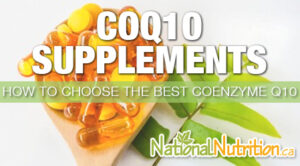
  • CoQ10 Supplement

    Coenzyme Q10 is one of the ten types of coenzyme Q that are found in nature but the only one that humans use. While it is a very important fat-soluble antioxidant, it’s most beneficial for enhancing heart health and circulation. This is because CoQ10 helps the heart use oxygen and energy effectively, which is crucial. The organs in your body that have the highest energy needs, including your muscles, heart, brain, and kidneys, have the highest concentrations of Q10. CoQ10 supplements optimize the heart’s ability to pump blood effectively, which is why it is known best as a supplement for heart health. But that's not all the CoQ10 benefits, read on to learn more.

    Increased Need for CoQ10

    Your body produces CoQ10, but as you age—especially after the age of 40—its production begins to decline to such a level that by the time you are in your sixties, your CoQ10 levels are only about 10% of what they were when you were in your thirties. Supplementing with a good-quality coenzyme Q10 can help replenish this shortfall and produce significant benefits for our health at a time in people’s lives when they need it most. Some studies have shown that as many as 75% of people are deficient in coenzyme Q10.

    However, aging is not the only CoQ10 benefit. Exposure to toxins and pollutants results in severe oxidative stress from free radicals, which deplete coenzyme Q10 and create a great need for more. Illnesses that put stress on the immune system will also deplete your coenzyme Q10 resources, as it enhances tissue oxygenation.

    Additionally, certain drugs and some medical conditions can deplete CoQ10 and signal an insufficiency.

    Symptoms of CoQ10 Deficiency

    Research has shown that some conditions can be caused by a deficiency in a substance called CoQ10. You may have a CoQ10 deficiency if you experience the following symptoms:

    • high blood pressure
    • poor circulation
    • and/or headaches

    Types of CoQ10 Supplements: Ubiquinone vs Ubiquinol

    Ubiquinone vs ubiquinol; the two main supplemental forms of CoQ10 that you will find in health food stores. The original form, ubiquinone, is the industry standard and has been thoroughly studied for years. The latest, more active form of CoQ10 is ubiquinol, the biologically active form used best by the body.

    • Who should take ubiquinone? Most naturopathic doctors and nutritional MDs will usually recommend standard ubiquinone CoQ10 over biologically active ubiquinol for their patients taking Q10 as a daily nutritional supplement for overall health enhancement.
    • Who should take ubiquinol? Ubiquinol is usually reserved for those who need CoQ10 for therapeutic purposes such as angina, high blood pressure, high cholesterol, poor circulation, cancer, immune support, fibromyalgia, and others.

    CoQ10 Benefits

    Uses of Coenzyme Q10 in Cardiovascular Diseases

    If you have any kind of heart health concern—or even a family history of it—CoQ10 ubiquinol should be one of the supplements in your daily regimen. The clinical evidence supporting CoQ10’s effectiveness in most cardiovascular concerns is vast. Study after study links CoQ10 deficiency to heart attacks, strokes, high blood pressure, high cholesterol, and more.

    CoQ10 Ubiquinol Protects from Bad LDL Cholesterol

    High cholesterol is one of the major risk factors for heart attacks and strokes. The "bad" cholesterol is harmful because it is far more susceptible to oxidative damage from free radicals than the "good" HDL cholesterol. Once oxidized, LDL cholesterol then damages arteries, causing lesions to form and eventually causing arterial blockages that can lead to a heart attack or stroke. CoQ10 can prevent this. As a fat-soluble antioxidant, CoQ10 ubiquinol/ubiquinone can protect the bad LDL cholesterol from free radicals, as it, too, is a fat. Water-soluble antioxidants such as vitamin C or selenium cannot do this to the same extent, making CoQ10 the ideal nutritional supplement.

    CoQ10 Supplement and Side Effects from Statin Drugs

    Statins are a common class of medication prescribed by conventional doctors to reduce high cholesterol. While they are effective at keeping it low, they have a few nasty side effects, the most common of which is muscle pain. People taking this medication experience statin-related muscle pain and fatigue because their CoQ10 is being depleted! These side effects are usually alleviated by taking 100–400 mg of coenzyme Q10 daily.

    CoQ10 Supports Healthy Blood Pressure

    High blood pressure is sometimes called a "silent killer," as it often goes unnoticed until a major cardiac event. It can occur for various reasons, including high blood viscosity, narrowing of the arteries, and weak heart muscle. CoQ10 can help support healthy blood pressure by addressing each of these concerns. It helps the blood to be less viscous, thus making it flow through arteries and veins with less force exerted on blood vessel walls.

    By reducing the oxidation of cholesterol, CoQ10 reduces the progress of the narrowing of the arteries. In addition, as the most important muscle in the body, the heart requires Q10 more than any other. The heart is always pumping and needs a steady supply of ubiquinone or ubiquinol to continue its thousands of daily beats. Since CoQ10 is the spark plug for all muscular contractions, the heart must pump blood effectively. Without enough CoQ10, the heartbeat can be erratic or even cause palpitations, causing blood pressure to rise. The preferred form of CoQ10 for supporting high blood pressure is the ubiquinol form. It has been clinically proven to reduce high blood pressure more quickly and effectively than standard ubiquinone.

    Coenzyme Q10 and Heart Failure

    CoQ10 benefits include helping support heart failure. It plays an important role in energy production and cellular health outside of providing antioxidant protection. For patients with heart failure, the chances of hospitalization (and re-hospitalization for complications) are high. In one double-blind trial, researchers studied the effects of CoQ10 supplementation on patients with congestive heart failure. Subjects were randomly assigned either a placebo or CoQ10 at a dose of 2 mg per kg of body weight per day. After one year, the group taking CoQ10 required fewer hospitalizations than the placebo, and incidences of pulmonary edema and cardiac asthma were also reduced. The researchers concluded that "supplementation with coenzyme Q10 could be an effective adjunct therapy to standard medical treatment because it reduces hospitalization rates in patients with chronic heart failure.”

    CoQ10 Supplement and Angina

    Your heart is the most important muscle in your body, pumping blood that delivers oxygen and important nutrients. When your heart doesn’t get enough oxygen-rich blood, it can cause chest pain or discomfort called angina. CoQ10 helps to enhance energy production and circulation in the heart muscle, it pump blood more efficiently.

    Coenzyme Q10 Anti-Aging Benefits

    CoQ10 and anti-aging go hand in hand because this supplement has anti-aging properties, and as an antioxidant, it protects the body against environmental pollutants and other substances that cause aging. The free-radical theory of aging is generally accepted as one of the major external causes of the aging process. CoQ10’s ability to stabilize free radicals can make a dramatic difference in reducing the DNA damage free radicals cause, which can lead to the premature aging of tissues and the individual cells of which they are made. In addition, coenzyme Q10 helps to improve circulation, which improves the flow of nutrients and oxygen to tissues, thus keeping them healthier for longer.

    Q10 Benefits For Mitochondrial Health & and Energy

    When people take ubiquinone or ubiquinol CoQ10, they usually notice a substantial increase in mental and physical energy. As you read above, coenzyme Q10 offers benefits for mitochondrial health and is needed by every muscle in the body. Muscles use a type of energy called ATP; each muscle cell uses it to perform the contractions that result in any type of movement, whether it's simply the diaphragm making the lungs inhale or running a marathon. CoQ10 is needed to make ATP; without enough, the muscles will fatigue sooner and to a greater degree. Many athletes take CoQ10 supplements, especially the ubiquinol form, to enhance their ATP production. Naturopathic doctors often recommend their patients with fibromyalgia (who have chronic muscle weakness) take CoQ10 for this exact reason.

    CoQ10 Supplement and Brain Health

    As an antioxidant, CoQ10 supports brain health because oxidative stress has been shown to contribute to the development of many neurodegenerative diseases, including Alzheimer's and Parkinson's. CoQ10 has been used in some studies as a treatment for these diseases because it helps prevent oxidative damage in neurons (nerve cells). In animal studies, CoQ10 benefits also include neuroprotective effects. People who supplement with CoQ10 regularly have better cognitive function than those who don't take it regularly. Some studies suggest that CoQ10 may help improve memory function in people with mild cognitive impairment (MCI), which is often an early sign of dementia or Alzheimer's disease.

    CoQ10 and Headache

    People who experience headaches regularly have found that taking Coenzyme Q10 supplements has helped to reduce or eliminate their symptoms. Many people have reported headaches as a symptom of CoQ10 deficiency, which is one reason why this supplement might help with your headache pain. In one study, researchers tested frequent headache sufferers for CoQ10 deficiency and gave CoQ10 to those who were deficient. The patients who received CoQ10 reported fewer headaches and less disability from their headaches than those who did not receive the supplement.

    Food Sources of Coenzyme Q10

    The average daily dietary intake of CoQ10 is between 3 and 6 milligrams, with evidence suggesting that half of this is in reduced form (ubiquinol).

    While it is not practical to get therapeutic or supplemental doses of coenzyme Q10 from our food, it is interesting to note that it is indeed present in our food in small amounts. The highest amount, of course, is contained in beef hearts, with smaller amounts in fish such as sardines and spinach. To get 100 mg of coenzyme Q10, you would need to eat 5.5 pounds of beef liver, 20 pounds of white mackerel, or 37 pounds of broccoli. However, supplementing with a high-quality supplement will help you replenish your stores of this vital nutrient.

    Coenzyme Q10 Supplements

    CoQ10 Supplement Dosing

    As you've seen, CoQ10 benefits many aspects of health. The following are some of the therapeutic applications and clinical dosing for CoQ10:

    • Deficiency from statin drug use: This can usually be reversed with doses of 100 to 400 milligrams per day.
    • Migraine prevention or treatment: In one successful study on CoQ10 supplementation for headaches, researchers administered 1 to 3 mg of CoQ10 per kg of body weight.
    • Hypertension treatment and management of angina: In studies, doses of 100 to 200 milligrams per day were administered.
    • Reduced blood flow due to atherosclerosis: A meta-analysis found that CoQ10 supplementation in doses of 150 to 300 mg per day for up to 12 weeks resulted in a clinically significant 1.7% increase in blood flow.
    • Heart failure: In studies showing a reduced risk of complications from heart failure, subjects were given 2 mg of CoQ10 per kg of body weight.

    CoQ10 Supplement Formats

    Both ubiquinol and ubiquinone are best taken in a soft gel capsule. As a fat-soluble nutrient, CoQ10 is best absorbed by the digestive system in an oil base; the oil transports it across cell membranes in the villi of the gut lining, giving it superior activity. The soft gel capsule delivery format is the only capsule format that permits the oil base.

    CoQ10 Supplement Precautions

    Coenzyme Q10 may decrease the effectiveness of warfarin. The following prescription medications deplete coenzyme Q10, and supplementation is strongly advisable: hydralazine, thiazide diuretics, cholesterol-lowering medication, sulfonylureas, beta-blockers, tricyclic antidepressants, chlorpromazine, clonidine, methyldopa, diazoxide, biguanides, and haloperidol.

    CoQ10 Supplement FAQs

    How much coenzyme Q10 should I take?

    Most doses of CoQ10 will range between 100 and 400 mg per day. Refer to our guidelines for dosing in the Coenzyme Q10 Supplements section.

    Does science support coenzyme Q10?

    Scientific literature has shown that CoQ10 benefits heart health, cognitive function, and mitochondrial health, among many other benefits.

    What depletes our body's coenzyme Q10?

    The following factors can deplete your body's levels of coenzyme Q10: aging, stress, certain diseases (including cardiovascular diseases and chronic kidney disease), medication (including statins prescribed to lower cholesterol levels in patients with high blood pressure or heart disease), and poor diet (diets high in processed foods tend not only to be low in antioxidants but also contain lots of omega-6 fatty acids from vegetable oils that are pro-inflammatory).

    Where can I buy a CoQ10 Supplement?

    You can find CoQ10 at most health food stores.

  • Malic Acid: Supplement Uses & Benefits

    Malic acid is a chemical naturally found in unripe sour fruits like apples, pears, tomatoes, and cherries. In the body, malic acid can be naturally synthesized. It is usually bound to an ion such as magnesium, calcium, or citrulline, to form a salt for supplemental delivery. Once bound in this way, the malic acid is then called “malate”.

    Key Health Advantages of Malic Acid

    Malic Acid Benefits For Fibromyalgia

    One of the most commonly known uses for malate is its use in combination with magnesium for Fibromyalgia. Interestingly, the human body can naturally synthesize its magnesium malate. It has been theorized that people with fibromyalgia may not be able to make enough of this salt naturally to meet their body requirements. It is thought that this deficiency may be one of the sources of the painful symptoms and fatigue. Ongoing supplementation with magnesium malate has been shown to help reduce these symptoms after at least 2 months.

    Energy Metabolism and Athletes

    Malate plays a key role in the citric acid (Krebs) cycle, which is the main metabolic pathway in the body that produces adenosine triphosphate (ATP). Each of the cells in our body uses ATP as the main energy molecule for most of our cellular and body functions. ATP is the “currency” of the cell and can be used or transferred similarly to cash in our economy. If we are unable to make enough ATP, we become extremely low in energy and many of our body’s metabolic systems will begin to fail. Because of this, malic acid is essential to our metabolism. Citrulline malate has been found by researchers to enhance athletic performance in test subjects by reducing muscle fatigue in high-intensity exercise. Thus, many athletes will use citrulline malate to help boost their performance and reduce fatigue.

    Skin Care Benefits of Malic Acid

    Malic acid is an alpha hydroxy acid that is commonly found in topical skincare products to help repair sun damage and treat dry skin. Some acne care products will also contain malic acid to help reduce excess skin flaking. When used topically, malic acid is commonly applied in a 10% solution (or less). If you are using it topically, be sure to use sun protection when going outside as it can make your skin more photosensitive. Concentrations higher than 10% may be used by dermatologists as facial peels, but should not be attempted without proper supervision as severe irritation can occur.

    Taking Quality Malic Acid Supplements: Varieties, Formats & Quality

    There are many forms of malic acid available for supplementation. Most are available in salt form, as malate. Common supplemental sources are magnesium malate, calcium malate, and citrulline malate. For the treatment of fibromyalgia, one study used 1600mg daily combined with 400mg of magnesium and noted beneficial effects after 2 months. Citrulline malate is normally dosed at between 5-10g daily on days of high-intensity exercise. For topical uses, please follow the manufacturer’s instructions listed on the bottle.

    Combination Supplements

    In the late 1980’s a combination supplement called calcium citrate malate was developed which consisted of calcium citrate and calcium malate mixed. Sometimes this combination is referred to as calcium “citramate”. Interestingly, supplementation of calcium in this form is extremely beneficial to bone health, without increasing the risk of kidney stones. Some research suggests that this form of calcium is protective against stone formation.

  • Vitamin B

    vitamins are a group of essential nutrients that support energy production, brain function, metabolism, and cell health. Since the body doesn't store them, regular replenishment is vital, as excess is flushed out in urine. You can find them in foods like whole grains, legumes, eggs, leafy greens, and dairy. However, food often doesn't provide adequate amounts of these nutrients; therefore, supplementation may be beneficial. Let's explore the various types of B vitamins and why they're important for your health. 

    The Different Types of Vitamin B

    Vitamin B-1

    Vitamin B-1, also known as thiamine, is an essential nutrient that must come from the diet or supplements, as the body can't produce it. Thiamine plays a key role in supporting brain, heart, and nerve function by improving blood flow. A severe deficiency can lead to beri beri, a serious condition affecting the nerves and heart. Even a mild deficiency may cause fatigue, confusion, or irritability. 

    Factors like alcohol, sugar, excessive caffeine, and some medications, like oral contraceptives and anti-seizure pills, can lower B1 levels. 

    Vitamin B2

    Vitamin B2, or riboflavin, is crucial for energy production, as it helps enzymes convert fats, carbs, and proteins into fuel. It supports immune function by aiding antibody production and is known to relieve muscle pain and migraines, often paired with magnesium. 

    Riboflavin is the only B vitamin that turns urine bright yellow. Deficiency can cause mouth sores, tongue inflammation, and slow hair and nail growth. It's essential for fetal development and is found in prenatal vitamins. It must be stored in a dark place, as light can degrade it. It's also important to note that high doses of riboflavin may interact with some cancer medications.

    Vitamin B-3

    Vitamin B3, also known as niacin, is a well-known B vitamin with strong effects on heart health, particularly by lowering cholesterol and supporting the nervous system. 

    Your body can produce niacin from tryptophan (in the diet), along with the help of vitamins B1, B2, and B6. 

    Niacin helps dilate blood vessels, improving circulation, and plays a vital role in digestion by aiding the breakdown of fats, carbs, and proteins. It also has a separate effect to help regulate blood sugar and helps in the formation of bile salts and stomach acid. 

    While it can be effective, it often causes a "flush." This can be reduced by taking niacin on a full stomach and by slowly increasing your dose. But keep in mind, high doses (>500 mg/day) can affect the liver. Doses above this should only be taken under the guidance of a healthcare provider. 

    It's also important to note that Nicotinomide (Niacinamide) is often used interchangeably with niacin; however, it does not offer the same pharmacological effects. Sulfa drugs, estrogen replacement therapy, alcohol and sleeping pills can all interfere with niacin levels in the body, and antibiotics are known to worsen the flushing effect of niacin.

    Vitamin B5

    Vitamin B-5, or pantothenic acid, can be produced by healthy gut bacteria. However, since stress depeletes our healthy gut bacteria, which is why taking vitamin B supplements and pre and probiotics is so important. Vitamin B-5 is also destroyed by heating and food processing methods, which limits the amount we can get through food sources. 

    Pantothenic acid is known to support the adrenal glands and aid in the production of adrenal hormones, including cortisol. It also supports the nervous system and brain by supporting neurotransmitter activity during times of stress. Like other B vitamins, pantothenic acid can support the immune system by helping form antibodies. It also aids in the digestion of fats, carbohydrates and proteins. 

    Another form of B5, Pantethine, is the only form shown to regulate cholesterol levels. This effect is especially seen in diabetic patients. 

    B-5 levels can be depleted through the use of sulfa drugs, caffeine, sleeping pills, estrogen replacement therapies and alcohol.

    Vitamin B6

    Vitamin B-6 is one of the most versatile nutrients, playing a key role in over a dozen bodily processes. There are 6 forms, with the active one being pyridoxal-5-phosphate (P5P).

    It supports amino acid metabolism, fat, and carbohydrate processing, and gluconeogenesis (production of glucose from glycogen in the liver). B6 is also essential for neurotransmitter production, such as serotonin and GABA, making it effective in addressing mood and neurological disorders. 

    Vitamin B-6 also works with B12 and folate to lower homocysteine, reducing the risk of heart disease. 

    Signs of deficiency can include confusion, numbness, and skin issues. While deficiency is rare, the elderly and alcoholics have an increased risk.

    Vitamin B-7

    Biotin, also known as vitamin H or Coenzyme R, is vital for cellular growth and fat and amino acid metabolism. It helps regulate blood sugar, reducing fasting glucose levels in both type 1 and type 2 diabetes, and can help prevent diabetic neuropathy. Biotin also promotes healthy hair and nails and treats seborrheic dermatitis in children.

    Although rare, deficiency can be caused by raw egg whites containing avidin because it binds to biotin. Symptoms of deficiency can include skin issues, hair loss, and immune problems. Pregnancy also raises biotin needs, and deficiencies can harm fetal development.

    Vitamin B9

    Folic acid, also known as Vitamin B9, is crucial for DNA synthesis and repair, making it especially important during pregnancy and infancy to prevent neural tube defects and preterm delivery. It also supports red blood cell production, reducing anemia risk, and may lower stroke and colorectal cancer risk. Research also suggests folic acid can boost mood in those with depression when combined with antidepressants. 

    Folic acid must be converted into tetrahydrofolate in order to have these therapeutic effects in the body. 

    Deficiency in folic acid may cause fatigue, cognitive decline, and heart palpitations. Vitamin B-9 levels are often reduced by oral contraceptives and high alcohol consumption. It's important to note that high folate levels can mask symptoms of B12 deficiency anemia. This is of special concern for individuals over the age of 50, who are at a greater risk of B12 deficiency.

    Vitamin B-12

    Vitamin B-12, or cobalamin, exists in three main forms: methylcobalamin, hydroxycobalamin, and cyanocobalamin, with methylcobalamin offering the best absorption. Your body can store B12 for years, making deficiencies harder to detect. 

    Vitamin B-12 is essential for the gut, nervous system, and bone marrow, as well as red blood cell production, preventing macrocytic anemia. 

    B-12 boosts brain function, memory, and sleep, and may help with brain atrophy. 

    Since your body relies on intrinsic factors to absorb it, sublingual or injectable forms are often superior since they bypass this need. 

    B-12 is absent in plants, making supplementation crucial for vegetarians and vegans. Other things that can inhibit the absorption or cause depletion of B-12 include:

    • Antibiotics, Metformin, Gout & Anti-Coagulant Medications
    • H2 Blockers
    • Oral Contraceptives
    • Sedatives and Proton Pump Inhibitors
    • Alcohol and Nicotine
    • Potassium Supplements

    Shopping For Vitamin B Supplements

    When shopping for vitamin B supplements, it's crucial to look for high-quality, bioavailable forms. Check the label for active versions, like methylcobalamin for B12 or P-5-P fir B6, as these forms are easier for your body to absorb. Pay attention to the vitamin B complex ratio, ensuring a balanced mix. When taking a B complex supplement, take it in divided dosages throughout the day to avoid excess being excreted in urine. B vitamins come in various formats, including capsules, tablets, sublingual forms, and even powders. 

    Additionally, some supplements combine B vitamins with other nutrients, such as magnesium or vitamin C, to enhance absorption and overall effectiveness. Always choose supplements from reputable brands, and if possible, select NSF or USP-certified products for the best quality assurance. 

    Individuals who suffer from impaired digestion (elderly) or inflammation of the digestive tract are at a higher risk of being deficient in B vitamins.

    Important Information

    While B vitamins are essential for energy production, metabolism, and brain function, balance is key. Excessive doses of certain B vitamins, particularly B6 or niacin (B3), can cause side effects like nerve damage or flushing. Also, certain medications, like antacids or metformin, can interact with B vitamin absorption. Pregnant or breastfeeding women, as well as people with specific health conditions, should consult a healthcare provider before starting B vitamins.

    When taken appropriately, these essential nutrients can help maintain overall health, energy, and vitality. 

  • Vitamin B-1: Thiamine

    What is Thiamine?

    Thiamine is a water-soluble B vitamin also known as vitamin B1. Once absorbed by the body, thiamine is converted to thiamine pyrophosphate (TPP), its active coenzyme form. In this form, thiamine is a cofactor in many chemical reactions throughout the body.

    Different Forms of Thiamine

    In general, thiamine can be seen in supplements as TPP, benfotiamine, and thiamine HCl (plain thiamine). Unfortunately, the direct supplementation of TPP does not provide added benefit, as the molecule is stripped of its phosphate groups during digestion and is absorbed only as thiamine. Thiamine absorption is controlled by transport molecules in the digestive tract and in the membrane of each cell. Uptake of vitamin B1 by these molecules is limited to approximately 12mg of thiamine per time. Interestingly, another form of vitamin B-1, known as "benfotiamine," is a thiamine precursor that is more readily absorbed across the digestive tract and into cells, which is then quickly converted to TPP.

    Key Health Advantages of Thiamine Vitamin B-1

    Brain and Nerve Cells

    By acting as a cofactor in various cellular reactions, thiamine enhances the circulation of blood to the brain and maintains the function of nerve cells. This allows thiamine to play a role in optimizing brain function and learning capacity.

    Metabolism and Body Maintenance

    Vitamin B1 is also required for the formation of red blood cells, to allow for proper oxygen transport throughout the body. It is also required for the formation of stomach acid to allow for proper digestion. Thiamine helps to regulate muscle activity and ensures proper tone of both the digestive tract and heart. Energy, growth and normal appetite all depend on vitamin B-1 availability.

    Antioxidant

    Thiamine is also an antioxidant, which means that it protects the body from damage due to free radicals, which we are exposed to by a variety of sources in everyday life. Free radicals are unstable molecules with an unpaired electron that are extremely reactive, and damage surrounding cell membranes, fats, and fat-soluble vitamins and nutrients.

    Co-Supplementation

    Vitamin B1 is absorbed in the small intestine by a transport molecule that requires folic acid. As such, supplementation with folic acid while supplementing with vitamin B1 is often a good idea. For more information on folic acid, please click here. All of the B vitamins work together and are best used by the body in a B complex. B complex supplements generally include vitamin B1.

    Signs of Vitamin B1 Deficiency

    Deficiency in thiamine is a condition known as "beriberi", which comes in two main forms in adults: dry and wet. Dry beriberi appears as reduced sensation and/or tingling in the hands and feet, as well as impaired reflexes and irregular movement in the arms and legs. Wet beriberi appears as mental confusion, edema, heart failure, and wasting of the muscles. Vitamin B1 deficiency is rare in Western society and is generally seen only in alcoholics as Wernicke-Korsakoff syndrome. This syndrome appears as deterioration of brain function, paralysis of eye movements, abnormal stance, and memory loss. Vitamin B-1 deficiency can also result in blindness due to death of the optic nerve, the major nerve that carries visual information from your eyes to your brain. In general, elderly people and those with impaired digestion tend to be slightly deficient in most B vitamins.

    How Do I Increase My Vitamin B1 Intake?

    All of the B vitamins work together and are best used by the body in a B complex, which is why many B complex supplements include thiamine in them. If more supplementation of vitamin B-1 is needed, it should be taken in addition to a good B complex. Most B vitamins are water-soluble, so any extra from a large dose is easily flushed out of the body. Because of this, it is best to take lower dosages of a B complex several times a day, rather than one large dose. Spray or sublingual forms of B vitamins are easily absorbed, as are capsules - if your digestion is healthy, then the tablet form is usually suitable for most people.

    Important Information

    Vitamin B1 is depleted by the use of antibiotics, sulfa drugs, oral contraceptives and anti-seizure medications, like Dilantin. Heavy consumption of alcohol, caffeine and sugar decreases levels of vitamin B1 in the body. Dosages exceeding 300mg daily can be associated with liver damage, tremors, edema and rapid heart rate.

  • Vitamin B-5 Pantothenic Acid

    Pantothenic acid is a water-soluble B vitamin, also known as pantothenate, or vitamin B5. The form D-pantothenic acid is required by the body as an essential nutrient, meaning that we cannot synthesize it from other substances. Interestingly, the friendly bacteria located in the intestines can produce vitamin B5 that we can then absorb, or we can absorb it directly from our food. B5 is commonly known as the "anti-stress" vitamin, and most people in today's fast-paced society can benefit from its supplementation. Pantothenic acid can be used to treat anemia, depression, anxiety and fatigue.

    How Vitamin B-5 Pantothenic Acid Helps Health

    Used to Help Make CoA – Neuronal Signalling and Stress

    Vitamin B5 is used in the synthesis of coenzyme A (CoA), which is an active group that is extremely important for a wide variety of functions in the body. It is involved in energy metabolism in the cell and in the synthesis of fatty acids and cholesterol. CoA is also used in the production of acetylcholine (a neurotransmitter), meaning that it is used in nerve signal transduction throughout the body. CoA is also involved in enzyme activation and deactivation, through which it controls the signalling and function of an even larger number of processes in the body. It is thought to help the body deal with stress by aiding the production of hormones that help the body respond to stress, and supporting the production of neurotransmitters in the brain that are depleted in stressful situations.

    Wound Healing and Skin Conditions

    Pantothenic acid has been shown to increase the rate of wound healing, particularly following surgery. It is involved in red blood cell formation, helping to prevent anemia. It also plays a role in the formation of antibodies for proper functioning of the immune system. The topical application of panthenol has been examined for its ability to help reduce acne outbreaks. A chemical made from vitamin B5, called dexpanthenol, is often used topically for various skin conditions, such as itching, mild eczema, insect stings, bites, poison ivy, diaper rash, and acne. It is also applied topically for preventing and treating skin reactions caused by radiation therapy.

    Energy and Stress Adaptation

    Because vitamin B5 aids in the processing of fats, carbohydrates, proteins, and other vitamins during digestion, it can directly increase the body's energy utilization. In addition to this, its ability to regulate proper nerve cell signalling and stress response helps to improve feelings of well-being and stress-adaptation. B5 is sometimes called the "anti-stress" vitamin.

    Arthritis

    There was some promising research performed in the 1980's on the improvement of the symptoms of rheumatoid arthritis (RA) using vitamin B5. This examination was performed because low serum vitamin B5 levels are associated with a higher risk of developing RA. Supplementation of calcium pantothenate (a B5 derivative), improves the symptoms of RA, particularly morning pain and stiffness.

    Hair Care Controversy

    Vitamin B5 has been added to a number of hair care products because preliminary trials in mice found benefit to hair growth. The same effect has not been seen in human trials, so the actual benefit is unlikely.

    Pantethine Vs Pantothenic Acid

    One form of B5, called pantethine, lowers LDL ("bad") cholesterol and triglycerides, while raising the levels of HDL ("good") cholesterol. This effect is especially seen in individuals with diabetes.

    Co-Supplementation

    All of the B vitamins work together and are best used by the body in a B complex, which is why most B complex supplements include a small dose of B5 in them. B vitamins are water-soluble, and any extra from large doses is easily flushed out of the body. Thus, it is best to take lower dosages of the B complex several times a day, rather than one large dose. Spray or sublingual forms of B vitamins are easily absorbed, as are capsules. If your digestion is healthy, then the tablet form is usually suitable for most people. B5 is an important aid for the utilization of other vitamins, particularly /articles/supplements/vitamin-b-2/or /articles/supplements/vitamin-b-2/.

    Taking Vitamin B-5 Pantothenic Acid Supplements

    If additional supplementation of pantothenic acid is needed, it can be taken in addition to a B complex. It can be supplemented between 10 and 100mg daily. Panthenol is a derivative of B5 that is often added to topical products, such as those for hair care. Pantethine is the most stable and active form of B5 and is the only form of B5 known to regulate cholesterol. Generally, vitamin B5 is supplemented using the calcium pantothenate form.

    Important Information

    B5 interacts with sulfa drugs, caffeine, sleeping pills, estrogen and alcohol. It may also interact with drugs used to treat Alzheimer's disease. B5 is destroyed by heat, canning practices and other food processing techniques.

  • Vitamin B-6

    Pyridoxine, commonly known as vitamin B-6, is a water-soluble B vitamin. There are several forms of B6, including pyridoxine, pyridoxal and pyridoxamine. All of these are precursors for the active coenzyme form of B6, called pyridoxal-5-phosphate (P5P or PLP). Active B6 in its coenzyme form serves in more functions in the body than any other single nutrient. It is particularly important for protein metabolism, and it also plays a role in blood sugar regulation. B6 can be used to treat anemia, allergies, arthritis, asthma, kidney stones, pregnancy-related nausea and multiple sclerosis (MS).

    Health Benefits of Vitamin B-6

    Cellular Growth and Healing

    Vitamin B-6 helps to make hemoglobin, the oxygen- carrying component of red blood cells. Thus, supplementation can help to prevent anemia and the fatigue associated with this condition. B6 is also needed to synthesize genetic material (DNA) and is essential for normal cellular growth. It plays a role in the immune system by assisting in the formation of antibodies, the chemical tags that our immune system uses to flag harmful substances for destruction.

    Brain and Mood Booster

    Vitamin B-6 is required for the production of neurochemicals in the brain, such as serotonin and GABA. Serotonin regulates pleasurable experiences and appetite, and GABA calms the body. Therefore, B6 is useful for a variety of neurological disorders, including autism and hormone-associated depression. Poor B6 status in the elderly has been associated with an increased rate of cognitive decline. Supplementation of vitamin B6 may help to slow the process of mental decline and memory loss associated with age.

    Cardiovascular Disease

    The breakdown of the toxic substance homocysteine into harmless byproducts involves vitamin B6. Homocysteine damages the inner lining of arteries, and having high levels of homocysteine in the body is associated with an increased risk of atherosclerosis and cardiovascular disease. The effect is increased with co-supplementation of vitamin b-12 and folic acid.

    PMS Support

    Vitamin B6 helps to maintain the fluid balance in the body. Some research has shown that supplementation with vitamin B6 may help to reduce the symptoms of premenstrual syndrome (PMS), such as moodiness, irritability, forgetfulness, bloating, and anxiety.

    Pregnancy Associated Nausea and Vomiting

    Around half of all women experience nausea and/or vomiting in the first trimester of pregnancy. This is commonly referred to as "morning sickness", although it can occur at any time during the day or night. Vitamin B6 supplementation has been shown to reduce and even eliminate these symptoms in a number of pregnant women.

    Symptoms of Vitamin B-6 Deficiency

    A lack of sufficient B6 can appear as confusion, depression, irritability and mouth and tongue sores. It can also present as anemia, headaches, flaky skin, and even carpal tunnel syndrome. Because of the fortification of processed foods, B6 deficiency is rare in North America.

    Supplementing With Vitamin B-6

    Vitamin B6 is found naturally in foods such as:

    • Chickpeas
    • Chicken
    • Carrots
    • Eggs
    • Fish
    • Meat
    • Nuts and Seeds

    Since all of the B vitamins work together, they are best used by the body when taken in a B complex. Most B complex supplements include a small dose of B6 in them. If additional supplementation of B6 is needed, it should be taken in addition to a good B complex. Spray or sublingual forms of B vitamins are easily absorbed, as are capsules. If your digestion is healthy, then the tablet form is usually suitable for most people. Most B vitamins are water-soluble, and any extra from larger doses is easily flushed out of the body. Thus, it is often best to take lower dosages of B complex several times a day, rather than one large dose. Time-released formulas of B6 are available. They allow the body to gradually absorb B6 and avoid the loss of large amounts of the supplement through the urine. Pyridoxal-5-phosphate is the activated form of B6. It can be helpful to those who have decreased ability to convert B6 into the active form. In general, vitamin B6 is dosed between 50 and 100mg per day.

    Important Information

    Vitamin B-6 is depleted by antidepressants, estrogen, oral contraceptives, some antibiotics, and alcohol. Cortisone and diuretics can block the absorption of B6. Diets high in protein require a larger B6 intake to allow for proper digestion and utilization. Prolonged excessive intake of B6 (1-6g per day for more than a year) can result in sensory neuropathy and loss of control of bodily movements. Doses exceeding 400mg per day are not recommended. Parkinson's patients on dopamine therapy should not supplement with B6, and diabetics should monitor their blood sugar levels during supplementation, as their insulin dosage may need to be lowered.

6 Item(s)

First name is required!
Last name is required!
First name is not valid!
Last name is not valid!
Please enter a valid email address.
Email address is required!
This email is already registered!
Password is required!
Enter a valid password!
Please enter 6 or more characters!
Please enter 16 or less characters!
Please ensure your passwords match.
Terms and Conditions are required!
Incorrect FormKey!
Incorrect Email or Password!
reCAPTCHA is mandatory. Click check box beside I am not a robot
Invalid login/register data, Kindly contact customer service agent.